How to Choose Wide Viewing Angle Displays for Your Needs?
Choosing the right display can significantly impact your viewing experience. Wide Viewing Angle Displays are a popular choice for various environments. Whether you're watching movies, playing games, or working, these displays offer consistent colors and clarity from different angles.
When selecting Wide Viewing Angle Displays, consider your usage. If you plan to use the display in a well-lit room, look for one with anti-glare technology. Additionally, pay attention to the color accuracy. Poor color performance can lead to frustration. Brands like LG and Dell offer reliable options, but always check user reviews for insights.
Not every Wide Viewing Angle Display is perfect. Some may have slight color shifts or reduced brightness at extreme angles. Be cautious and research thoroughly to avoid disappointment. Your choice should fit your specific needs and preferences. A well-informed decision will make all the difference in your visual experience.
Understanding Wide Viewing Angle Technologies
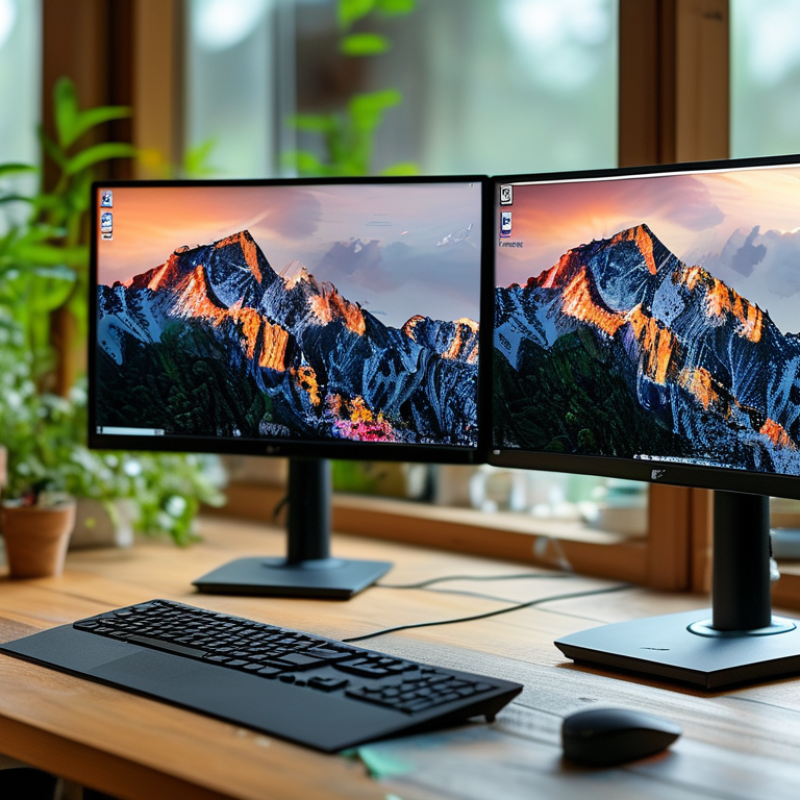
Wide viewing angle technologies enhance user experience in various settings. They allow viewers to see consistent colors and brightness from different angles. This is essential for activities like gaming, watching movies, or collaborating in groups.
One common technology is In-Plane Switching (IPS). It offers better color consistency compared to older technologies like Twisted Nematic (TN). IPS displays provide vibrant colors, making them popular for graphic design. However, these displays can be more expensive. Users may need to consider their budget versus visual quality.
Another technology is Vertical Alignment (VA). It offers deeper blacks and higher contrast ratios. However, VA panels may have slower response times. This could lead to motion blur in fast-paced scenes. Buyers must weigh these factors based on their viewing habits. Choosing the right technology can result in a more satisfying viewing experience. Still, each type has its trade-offs that need careful consideration.
How to Choose Wide Viewing Angle Displays for Your Needs? - Understanding Wide Viewing Angle Technologies
| Technology Type |
Viewing Angle (Degrees) |
Color Accuracy |
Contrast Ratio |
Typical Use Cases |
| IPS |
178° |
Excellent |
1000:1 |
Monitors, TVs, Smartphones |
| VA |
178° |
Good |
3000:1 |
Gaming, Home Theater |
| TN |
170° |
Fair |
1000:1 |
Budget Displays, Entry-Level Gaming |
| OLED |
180° |
Excellent |
Infinite |
High-End TVs, Mobile Devices |
Types of Displays with Wide Viewing Angles
When choosing wide viewing angle displays, it's essential to understand the various types available. Generally, IPS (In-Plane Switching) and VA (Vertical Alignment) panels dominate the market. According to recent industry reports, IPS displays provide superior color accuracy and viewing angles up to 178 degrees. This makes them ideal for graphic design work where color fidelity is crucial.
On the other hand, VA panels offer good contrast and deeper blacks, yet they may not match IPS in color accuracy. Research from DisplayMate Technologies indicates that VA panels typically have viewing angles around 160 degrees. In scenarios where budget constraints are present, many still rely on this technology despite its limitations. Users should consider the specific use case, as an unsatisfactory viewing experience can affect productivity.
Furthermore, the rise of OLED technology is noteworthy. These displays are known for their vibrant colors and true blacks. While their viewing angles are excellent, they can be more expensive and vulnerable to burn-in issues. A March 2023 report by DisplaySearch highlighted that nearly 30% of consumers reported dissatisfaction due to initial costs, reflecting the need for careful consideration of long-term use versus immediate expense.
Wide Viewing Angle Displays Comparison
Key Factors to Consider When Choosing Displays
When selecting wide viewing angle displays, several key factors should be considered. Screen technology is critical. IPS (In-Plane Switching) panels generally offer superior viewing angles compared to TN (Twisted Nematic) panels, known for limited views. According to a recent industry report, IPS displays can maintain color accuracy at angles up to 178 degrees, making them ideal for collaborative environments. The color reproduction and brightness levels also play a significant role in user experience, especially in professional settings.
Tip: Always check the specifications for viewing angles when browsing displays. A small difference can lead to significant viewing issues in practical use cases.
Another important aspect is resolution. Higher resolutions, such as 4K, enhance visual clarity across wider angles. Data indicates that the demand for high-resolution displays has surged, with a reported 30% increase in consumer interest over the past year. Yet, consider how the increased resolution interacts with the display size and distance from the viewer. Wider displays can lead to image distortion or loss of detail if not paired correctly.
Tip: To avoid issues with distortion, ensure your viewing distance aligns with your screen size and resolution. This can improve overall clarity and comfort during usage.
Pros and Cons of Wide Viewing Angle Displays
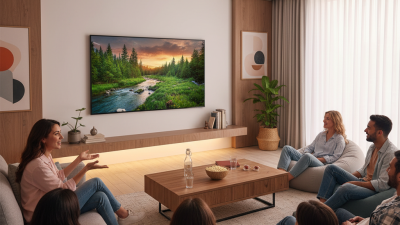
Wide viewing angle displays have gained popularity for their ability to maintain picture quality from various angles. This feature is beneficial in settings like offices and homes where multiple viewers may be watching simultaneously. However, there are both advantages and disadvantages to consider.
One significant advantage is color consistency. Images retain their vibrancy, even when viewed from the side. This is crucial for activities like graphic design or video editing. Yet, wide viewing angle technology can lead to higher manufacturing costs. Some users may not see this as a necessary trade-off.
Despite their benefits, there are downsides. The risk of glare in brightly lit environments remains. It may affect the viewing experience. Also, wide-angle displays may not suit all applications. For instance, if detailed, precise viewing is needed, other screen types might work better. As with any choice, weighing these factors is essential to meet specific needs.
Common Applications for Wide Viewing Angle Displays
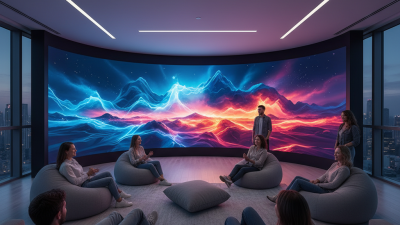
Wide viewing angle displays have become increasingly important in various fields. Their ability to maintain color accuracy and clarity from different angles is essential in situations where multiple viewers are present. For example, in conference rooms, these displays allow teams to collaborate effectively, ensuring that everyone sees the same information clearly. This enhances communication and promotes better decision-making.
Another common application is in retail environments. Displays with wide viewing angles can attract customers from various positions in a store. Bright colors and sharp images can draw attention, making products more appealing. However, not all displays perform equally under different lighting conditions. It's vital to consider lighting when selecting a screen, as glare can affect visibility even in wide-angle setups.
In educational settings, wide viewing angle displays facilitate group learning. Students can gather around and engage with the material simultaneously. Yet, it's crucial to evaluate the actual viewing experience. Some displays may have poorer performance off-axis, causing issues in an interactive classroom. Testing in a real-world environment can help identify these pitfalls, ensuring the chosen display meets everyone's needs.

 +86-13662287276