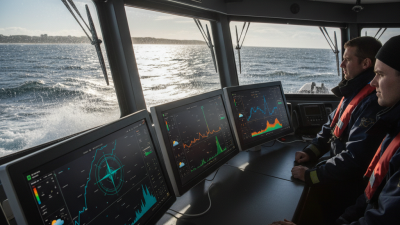
10 Tips for Choosing Marine Grade LCD Monitors for Your Vessel?
When it comes to outfitting your vessel with the right technology, choosing Marine-Grade LCD Monitors is crucial. Renowned marine electronics expert, Dr. Emily Carter, emphasizes, “The right display can make all the difference in navigation and safety.” This highlights the need for careful consideration when selecting monitors designed for marine environments.
Marine-Grade LCD Monitors are engineered to withstand harsh conditions, such as saltwater exposure and extreme temperatures. These factors can significantly impact the performance of standard monitors, making marine-grade options essential for reliable operation. Selecting the right monitor requires evaluating its durability, brightness, and resolution.
However, many boat owners overlook these aspects, leading to subpar experiences. It's easy to focus solely on price, but remember, investing in quality can prevent future headaches. Take time to research and consider expert recommendations to ensure you choose the best Marine-Grade LCD Monitors for your needs.
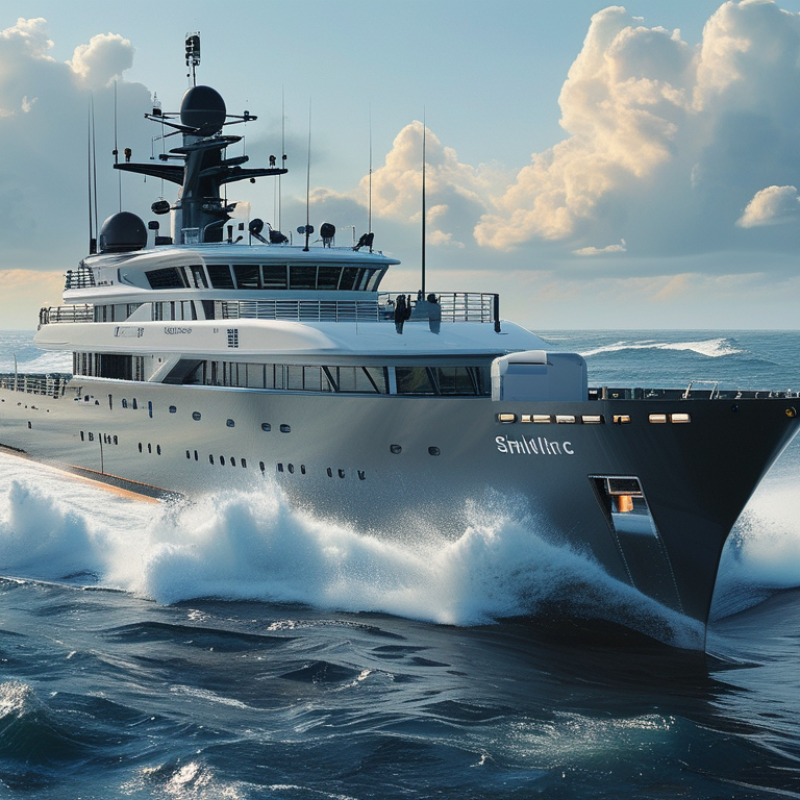
Understanding Marine Grade LCD Monitors and Their Importance for Vessels
Marine grade LCD monitors are essential for any vessel. These monitors are built to withstand harsh marine environments. Factors include exposure to saltwater, humidity, and UV rays. Regular monitors often fail in these conditions. This can lead to malfunctions or complete breakdowns.
When selecting a marine grade monitor, durability is key. Look for displays designed with anti-reflective coatings. This feature enhances visibility. Anti-glare screens can help reduce eye strain during long hours. Sealed connections also prevent water damage. Choosing one with solid environmental ratings is wise.
Consider the visibility range and viewing angles too. Monitors should be readable from various positions. Brightness is another critical aspect. A bright display ensures readability in sunlight. Each user’s needs vary, so reflect on your specific requirements. That's crucial for effective navigation and communication onboard. Not every monitor suits every vessel. Careful evaluation is necessary to make the right choice, ensuring reliability at sea.
Key Features to Look for When Selecting Marine Grade LCD Monitors
When selecting marine grade LCD monitors for your vessel, understanding key features is crucial. Marine environments are different; monitors must withstand moisture, vibration, and temperature variations. Look for a monitor with a high brightness rating. A minimum of 1000 nits is ideal for clear visibility under direct sunlight. This ensures that display data remains legible during harsh weather conditions.
Touchscreen capability offers hands-on interaction. However, consider the durability of the touchscreen material. Many marine-grade monitors utilize hardened glass to resist scratches and impacts, which is essential for onboard activities. Furthermore, a wide viewing angle is beneficial. Monitors with an angle of at least 170 degrees deliver consistent visuals for all crew members.
Pay attention to connectivity options. HDMI and VGA ports are standard, but also consider future-proofing with USB-C. With a growing number of devices compatible with USB-C, this feature ensures seamless integration. Regular software updates can also enhance functionality over time. Ensure the supplier provides robust customer support and warranty services, as these are vital in the marine industry.
10 Tips for Choosing Marine Grade LCD Monitors for Your Vessel
| Feature |
Description |
Importance |
| Waterproof Rating |
Look for monitors with an IP65 or higher rating, ensuring protection against dust and water. |
Essential for protection in marine environments. |
| Brightness |
High brightness (at least 1000 nits) for visibility in direct sunlight. |
Crucial for readability in bright conditions. |
| Durability |
Rugged construction materials to withstand harsh sea conditions. |
Helps in long-term usage without damage. |
| Viewing Angle |
Wide viewing angles to ensure good visibility from different positions. |
Important for multi-person viewing. |
| Touchscreen Capability |
Consider models with touchscreen for easier navigation and control. |
Enhances usability on the go. |
| Temperature Range |
Check for operational temperature range to ensure functionality in extreme temperatures. |
Ensures reliability in varying weather conditions. |
| Connectivity Options |
Look for HDMI, VGA, and USB inputs for versatility. |
Facilitates easy connection to other devices. |
| Mounting Options |
Check for flexible mounting options to fit different vessel layouts. |
Essential for space optimization. |
| Warranty and Support |
Choose brands offering a good warranty and customer support. |
Provides peace of mind and assistance if needed. |
Assessing Environmental Durability and Waterproof Ratings
Choosing a marine-grade LCD monitor for your vessel involves careful consideration of environmental factors. One critical aspect is waterproof ratings. Monitors designed for marine use should have a minimum IP rating of 65. This ensures they can withstand direct water exposure without compromising functionality. Additionally, some monitors offer enhanced saltwater resistance, ideal for coastal or open ocean environments.
Durability is equally important. Marine monitors should be built to resist corrosion, UV rays, and extreme humidity. Look for models with robust enclosures made from marine-grade materials. These will likely endure harsher conditions than standard monitors. Not all monitors are created equal; some may falter under specific environmental stresses. Always examine product specifications and reviews for insights into real-world performance. Consider your unique sailing conditions, and reflect on how they might affect your choice.
Size and Resolution Considerations for Optimal Visibility at Sea
When selecting an LCD monitor for your vessel, size and resolution are critical factors for visibility at sea. A 10-inch screen might suffice for small boats, but larger vessels benefit from screens of 15 inches or more. According to the National Marine Electronics Association, 70% of mariners prefer displays larger than 15 inches for easier navigation and monitoring. Visibility is paramount. Glare from sunlight can make standard displays difficult to read. Marine-grade monitors often have anti-reflective coatings, enhancing visibility in bright conditions.
Resolution also plays a significant role. Higher resolution screens provide sharper images, which are essential when navigating busy waters. A monitor with a resolution of at least 1920x1080 pixels ensures that details do not get lost. Research from the Marine Technology Society indicates that smooth and clear images can improve reaction times by up to 30% in emergency situations. Yet, finding the right balance between size and resolution can be challenging. A huge screen with low resolution might result in a blurry display, making it harder to spot potential hazards.
Ultimately, careful consideration of size and resolution is necessary. Each boat's unique requirements may lead to different preferences. Some captains may prioritize compact designs for tight spaces, while others might opt for extensive setups for better clarity. Engage with fellow mariners and professionals to gather insights on the best configurations available.
Budgeting: Evaluating Cost vs. Features for Marine LCD Monitors
When evaluating marine LCD monitors for your vessel, budgeting involves a careful balance between cost and features. According to industry research by the Marine Electronics Association, the average cost of marine monitors ranges from $300 to over $3,000. This wide range reflects differing features such as size, brightness, and water resistance. While cost is a crucial factor, neglecting necessary features may lead to regret later.
For instance, a monitor with high brightness levels is vital for outdoor use. Monitors with at least 1,500 nits perform well in direct sunlight. However, models that offer this feature may cost 30% more than lower-brightness alternatives. Investing in a marine-grade monitor can enhance visibility and durability but may also strain your budget. Users must weigh these choices carefully, recognizing that cheaper options may lack essential protective features.
Moreover, consider the longevity of the displays. Reports from industry experts suggest that marine LCD monitors can last anywhere from 3 to 10 years. Prioritizing quality over price can lead to long-term savings, even if the initial investment is higher. Reflecting on these aspects is crucial in making an informed decision to optimize both budget and boat performance.

 +86-13662287276