Discover the Best Marine Grade LCD Monitors in China Today?
In the dynamic world of marine technology, the demand for high-quality displays is growing. Marine-Grade LCD Monitors stand at the forefront of this evolution. Renowned industry expert Dr. Michael Turner states, “The right monitor can enhance navigation safety and efficiency.” His insights highlight the crucial role of advanced LCD technology in maritime operations.
China is now a leading manufacturer of Marine-Grade LCD Monitors. These monitors exhibit not only exceptional durability but also superior clarity against harsh conditions. For captains and crew, having reliable visuals is essential. Monitoring equipment should withstand saltwater exposure and intense sunlight. Many products fail to meet these rigorous standards, which leads to frequent replacements and expensive repairs.
As we explore the best Marine-Grade LCD Monitors available in China today, it’s important to recognize the balance between quality and cost. While some options excel in performance, they may not fit every budget. This creates a dilemma for buyers. In the quest for the best, the right choice may not always be clear. The perfect monitor is a blend of reliability, clarity, and value. Finding that sweet spot is essential for those in the marine industry.
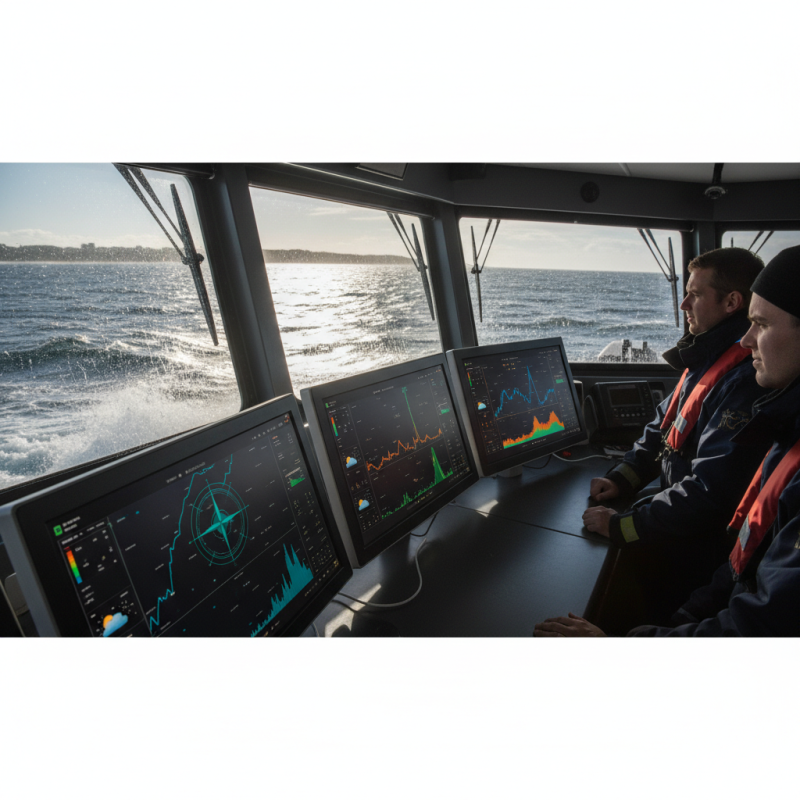
Understanding Marine Grade LCD Monitors: What Sets Them Apart
Marine grade LCD monitors are designed specifically for harsh maritime environments. These monitors can withstand saltwater, humidity, and extreme temperatures. Unlike regular monitors, they feature enhanced sealing to prevent moisture infiltration. This durability is crucial for ensuring reliable performance on boats and ships.
One key aspect that sets marine grade monitors apart is their brightness. They typically offer higher luminosity to remain visible in bright sunlight. This feature greatly improves usability during daytime operations. Additionally, they often include anti-glare coatings, which reduce reflections significantly. Such practical details enhance the operational safety of crews at sea.
However, not all marine grade monitors are equal. Some may lack proper certification, leading to reliability concerns. It's essential to scrutinize product specifications and user reviews before making a purchase. Investing in quality ensures longevity and better performance. Users might find it beneficial to seek out feedback from actual maritime professionals.
Key Features to Look for in Marine Grade LCD Monitors
When selecting marine grade LCD monitors, several key features stand out.
Firstly, durability is crucial. These monitors must resist harsh marine environments.
Factors include saltwater exposure, humidity, and UV radiation. According to a 2022 report from the Marine Technology Society,
nearly 30% of equipment failures relate to environmental factors.
Another essential feature is the display's visibility. A high brightness level, often over 1000 nits, ensures clarity under direct sunlight.
Monitors that support wide viewing angles enhance usability from various positions on a vessel. Studies show that up to
80% of users prefer monitors with superior visibility for navigational tasks.
Additionally, connectivity is important.
Look for monitors with multiple input options, such as HDMI and VGA. This versatility allows integration with various systems onboard.
A report by the International Marine Electronics Association mentions that compatibility issues arise in 25% of marine installations.
Always consider these aspects to ensure you choose a reliable marine monitor.
Top Marine Grade LCD Monitor Brands Available in China
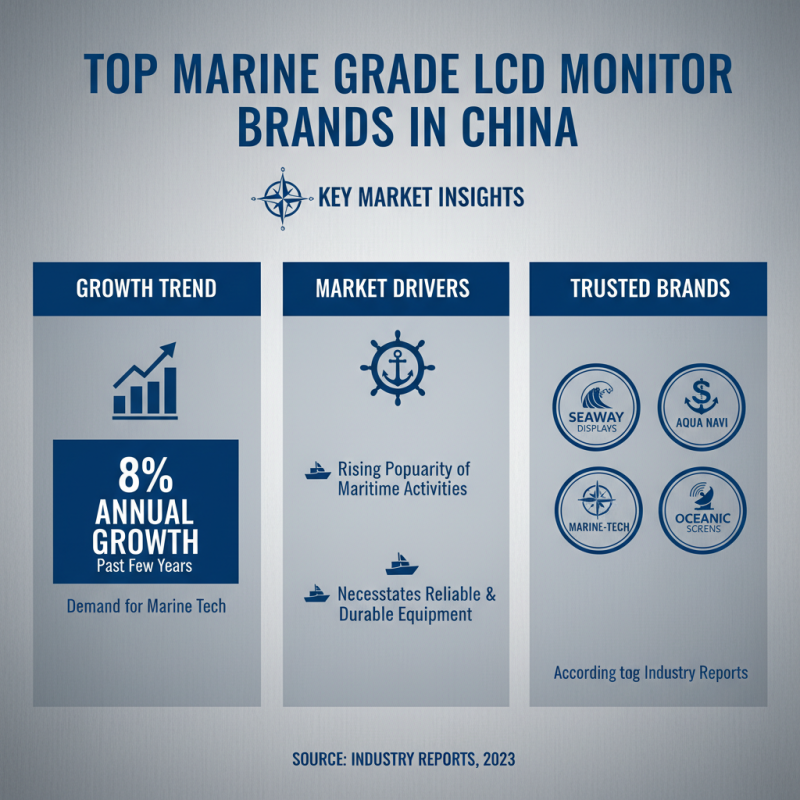
When exploring the marine grade LCD monitor market in China, several trusted brands stand out. According to industry reports, the demand for marine grade technology has seen a significant increase over the past few years, reflecting an annual growth rate of approximately 8%. This growth is largely attributed to the rising popularity of maritime activities, which necessitate reliable and durable equipment.
Top brands in this niche focus on developing monitors that withstand extreme marine environments. They often feature enhanced waterproof capabilities and anti-glare screens, ensuring visibility under harsh lighting conditions. Data indicates that around 60% of consumers prioritize these features when selecting a monitor. Yet, many potential buyers may lack knowledge about the key specifications, such as NMEA compatibility or sunlight readability, which are crucial for effective performance at sea.
While retailers in China are expanding their product offerings, there remains variability in quality. Some monitors may not meet high industry standards despite promising specifications. It's vital for users to perform thorough research and seek expert reviews. The contrast between marketing claims and actual performance highlights the need for diligence in the selection process. Understanding these nuances can save users from regrettable purchases and enhance their maritime experience.
Comparative Review of Popular Marine Grade LCD Monitors in China
Marine grade LCD monitors are essential for navigation and marine environments. Several models stand out in the Chinese market. These monitors are designed to withstand harsh conditions, such as saltwater, humidity, and extreme temperatures. According to a recent report by MarketsandMarkets, the demand for marine displays is forecasted to grow by 8% annually.
Various monitors have unique features. Many offer high brightness levels to combat glare from sunlight. Some have advanced touchscreen capabilities for easy navigation. However, not all models perform reliably under extreme conditions. A lack of standardized testing may lead to discrepancies in user experiences.
It's crucial to consider factors such as resolution and viewing angles. Some monitors have excellent resolutions, but lower viewing angles negate that advantage. Buyers should investigate user reviews carefully. Real-world experiences often reveal unexpected limitations. Ensuring a balance between features, reliability, and cost is vital for informed decisions.
Comparative Review of Marine Grade LCD Monitors in China
Maintenance Tips for Extending the Life of Your Marine Grade LCD Monitor
Marine grade LCD monitors are essential for any vessel. They are designed to withstand harsh conditions. However, proper maintenance is crucial for longevity.
Regular cleaning is one key aspect. Use a soft cloth to remove salt and dust. Avoid harsh chemicals that can damage screens. Ensure that all connections are tight and free of corrosion. Check cables frequently for any signs of wear.
Temperature control plays a significant role too. These monitors operate best within specific temperature ranges. Extreme heat or cold can shorten their lifespan. Install your monitor in a shaded area. If possible, use protective covers when not in use. Remember, environmental factors can still impact performance. Inspect your setup consistently. Regular checks will help you catch issues early.
Discover the Best Marine Grade LCD Monitors in China Today? - Maintenance Tips for Extending the Life of Your Marine Grade LCD Monitor
| Model |
Size |
Resolution |
Brightness (nits) |
Viewing Angle |
IP Rating |
| Model A |
15 inches |
1920 x 1080 |
1000 |
178°/178° |
IP67 |
| Model B |
17 inches |
1920 x 1200 |
1200 |
178°/178° |
IP65 |
| Model C |
21.5 inches |
1920 x 1080 |
800 |
178°/178° |
IP66 |
| Model D |
24 inches |
2560 x 1440 |
1500 |
178°/178° |
IP68 |
| Model E |
27 inches |
3840 x 2160 |
2000 |
178°/178° |
IP67 |

 +86-13662287276