What is Low Power Consumption LEDs and Their Benefits for Your Lighting Needs?
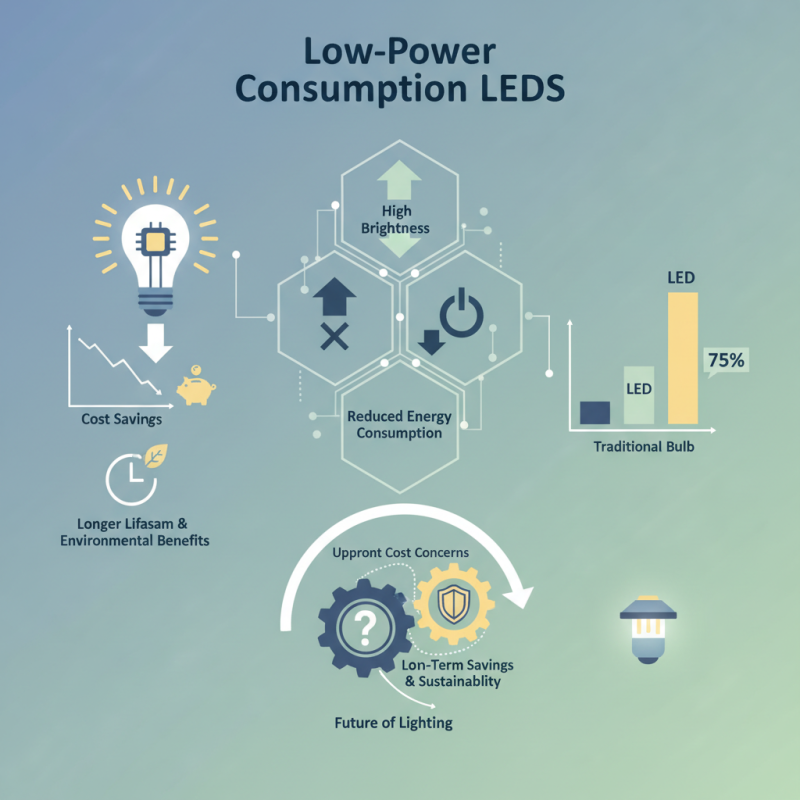
Low-Power Consumption LEDs are revolutionizing how we think about lighting. According to a report by the U.S. Department of Energy, LED technology could reduce lighting energy use by nearly 75% by 2030. This shift not only conserves energy but also significantly cuts costs for consumers and businesses alike.
Low-Power Consumption LEDs work by using less electricity while maintaining high brightness. They have a longer lifespan compared to traditional bulbs, often lasting over 25,000 hours. Many are beginning to recognize the dark side of energy waste in lighting.
Despite their advantages, some resist the change. People worry about the upfront costs and compatibility with existing fixtures. Yet, the long-term savings and environmental benefits are undeniable. As the push for sustainable solutions grows, embracing Low-Power Consumption LEDs is essential for future lighting needs.
Understanding the Concept of Low Power Consumption LEDs
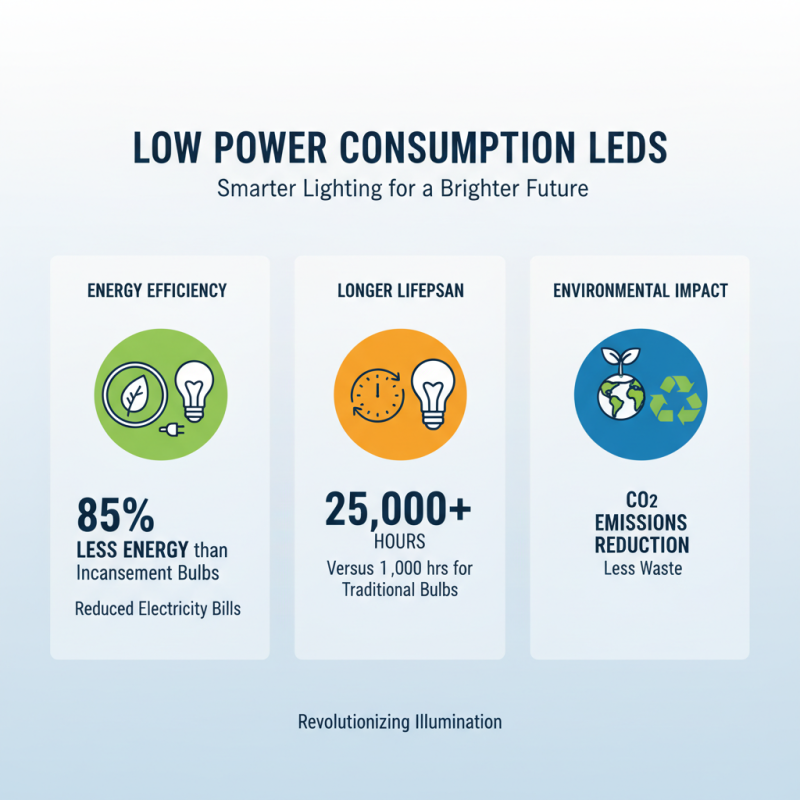
Low power consumption LEDs are revolutionizing the way we illuminate our spaces. These energy-efficient lighting solutions use significantly less electricity than traditional bulbs. Research indicates that they consume up to 85% less energy than incandescent varieties. This reduction in energy usage translates to lower electricity bills. Moreover, they have a longer lifespan, often lasting over 25,000 hours compared to 1,000 hours for regular bulbs.
Choosing low power consumption LEDs not only benefits your wallet but also the environment. According to the U.S. Department of Energy, widespread adoption of LED lighting could save about 190 terawatt-hours by 2027. This is equivalent to the annual output of about 24 large power plants. It underscores the importance of switching to energy-efficient options for both cost savings and reduced carbon footprint.
Tips: When selecting LEDs, look for the ENERGY STAR label for verified efficiency. Also, consider the color temperature to create the right ambiance. Finally, remember that retrofitting existing fixtures with LEDs can also enhance their efficiency. Make informed choices to maximize benefits while minimizing waste.
Key Features of Low Power Consumption LEDs
Low power consumption LEDs are transforming the lighting industry. They are designed to use less energy while providing the same brightness as traditional bulbs. This efficiency translates to lower electricity bills. Additionally, these LEDs have a much longer lifespan than conventional lighting options. Many low power LEDs last up to 25,000 hours or more. This long life reduces the frequency of replacements and environmental waste.
Key features of low power consumption LEDs include energy efficiency and eco-friendliness. They typically consume about 75-80% less energy. This significant reduction helps conserve natural resources. The materials used in manufacturing these LEDs are often recyclable, making them a greener choice. The light quality they produce is also notable. These LEDs can emit a range of colors and intensities. However, some users may initially find the brightness too stark. Adjusting to this might require a shift in mindset regarding lighting preferences.
Another important aspect is their heat emission. Unlike traditional bulbs that can get very hot, low power LEDs remain cool. This is an essential safety feature, especially in residential settings. Homeowners need to be cautious when switching to new technologies. While the benefits are clear, some may hesitate due to the initial investment. Understanding the long-term savings can help in making informed decisions.
Comparing Low Power Consumption LEDs to Traditional Lighting Solutions
When comparing low power consumption LEDs to traditional lighting solutions, energy efficiency is a key factor. LED lights use significantly less electricity than incandescent or fluorescent lights. This leads to lower electricity bills, which can be a relief for many households.
Another advantage of LEDs is their durability. Unlike traditional bulbs, which often burn out quickly, LEDs can last for years. This durability reduces replacement frequency, saving both time and money. However, not all LEDs are created equal. Some lower-quality products may flicker or dim prematurely, prompting a need for careful selection.
Color temperature is also worth mentioning. Traditional bulbs tend to give off a warm glow, while LEDs offer a wide range of color options. This versatility allows for tailored lighting solutions that suit various moods and tasks. Yet, for some, the starkness of LED light may feel too harsh. Finding the right balance is important in creating a comfortable environment.
Benefits of Using Low Power Consumption LEDs for Various Applications
Low power consumption LEDs have become popular for various lighting applications. These innovative lights use significantly less energy than traditional bulbs. This energy efficiency leads to lower electricity bills and a reduced environmental footprint. Many households and businesses are adopting them for this reason.
Using low power LEDs also means better performance in various settings. They produce bright, high-quality light while generating less heat. This is crucial for places like offices and retail spaces, where lighting plays a key role in atmosphere. Additionally, they come in many colors and styles, allowing for versatile applications.
However, not every LED product is created equal. Some may not last as long as advertised. It's essential to do thorough research before purchase. Always check for certifications and user reviews. Balancing quality with cost can be a challenge. This requires careful consideration.
Benefits of Low Power Consumption LEDs by Application
Cost-Effectiveness and Environmental Impact of Low Power LEDs
Low power consumption LEDs are transforming lighting needs. They provide a cost-effective solution for both residential and commercial applications. According to a report by the U.S. Department of Energy, LED lighting uses at least 75% less energy than traditional incandescent bulbs. This significant reduction in energy consumption directly translates to lower electricity bills for consumers and businesses alike.
From an environmental perspective, low power LEDs help reduce greenhouse gas emissions. The same report suggests that if all Americans switched to LEDs, the national energy savings would equal the annual output of 44 large power plants. Furthermore, LEDs have a longer lifespan, averaging 25,000 hours or more. This lifespan means fewer replacements and less electronic waste, addressing growing concerns about sustainability in the lighting industry.
However, the initial cost of LEDs can deter some consumers. While they last longer, the upfront investment remains higher compared to traditional options. This aspect requires careful consideration of long-term benefits versus immediate expenses. Balancing these factors is essential for making informed decisions about lighting choices.
What is Low Power Consumption LEDs and Their Benefits for Your Lighting Needs?
| Feature |
Low Power Consumption LEDs |
Traditional LEDs |
| Power Usage (W) |
4-10 |
9-20 |
| Lifespan (hours) |
25,000 - 50,000 |
15,000 - 30,000 |
| Environmental Impact |
Low |
Moderate |
| Cost per Year (USD) |
$10 - $20 |
$20 - $50 |
| Light Quality (lm/W) |
80 - 100 |
60 - 80 |

 +86-13662287276