Top 10 Automotive Display Panels in China Leading the Future of Car Technology?
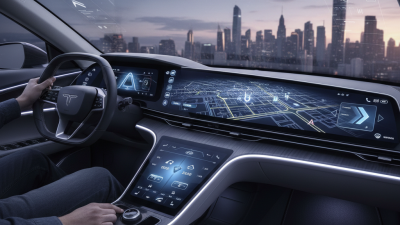
In recent years, Automotive Display Panels have revolutionized how drivers interact with their vehicles. These panels are not just screens; they are interfaces that integrate technology seamlessly into the driving experience. China stands at the forefront of this shift, leading the global market with innovative designs and advanced features.
From vibrant touchscreens to customizable displays, the emergence of these panels highlights a significant trend in the automotive industry. They enhance safety and convenience, allowing drivers to access essential information quickly. However, as technology evolves, some challenges remain. For example, the rapid pace of innovation may lead to issues with user experience, as not all drivers can adapt quickly to new systems.
Automotive Display Panels in China showcase impressive advancements, yet there is a need for continuous improvement. Balancing high-tech features with user-friendly designs is crucial. As manufacturers strive to lead the market, the reflections on past implementations could guide the way forward. The future promises exciting possibilities, but thoughtful consideration is necessary to ensure these panels truly serve all drivers.
The Rise of Automotive Display Panels in China's Car Market
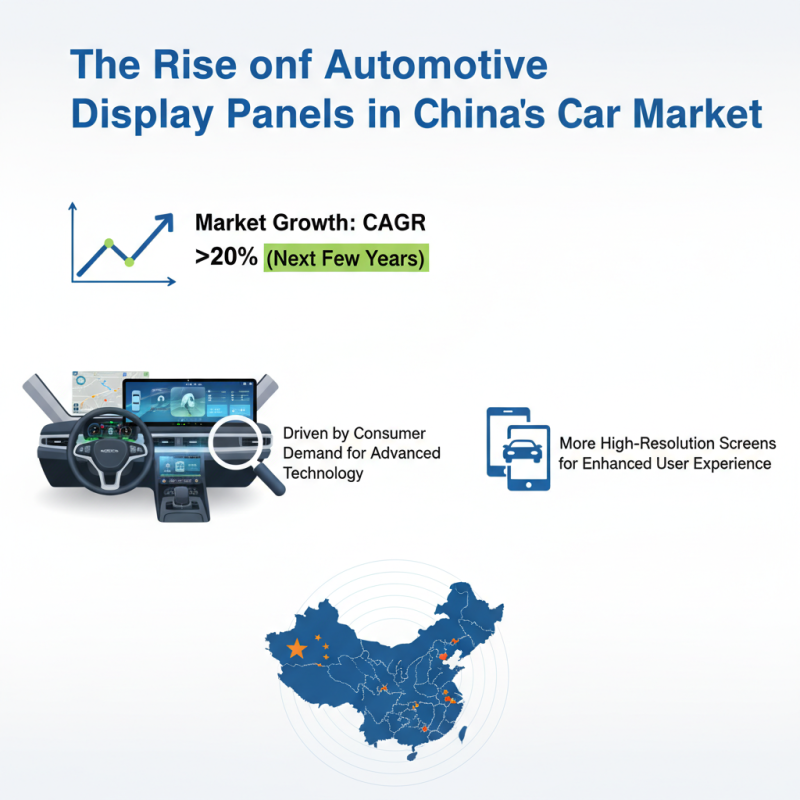
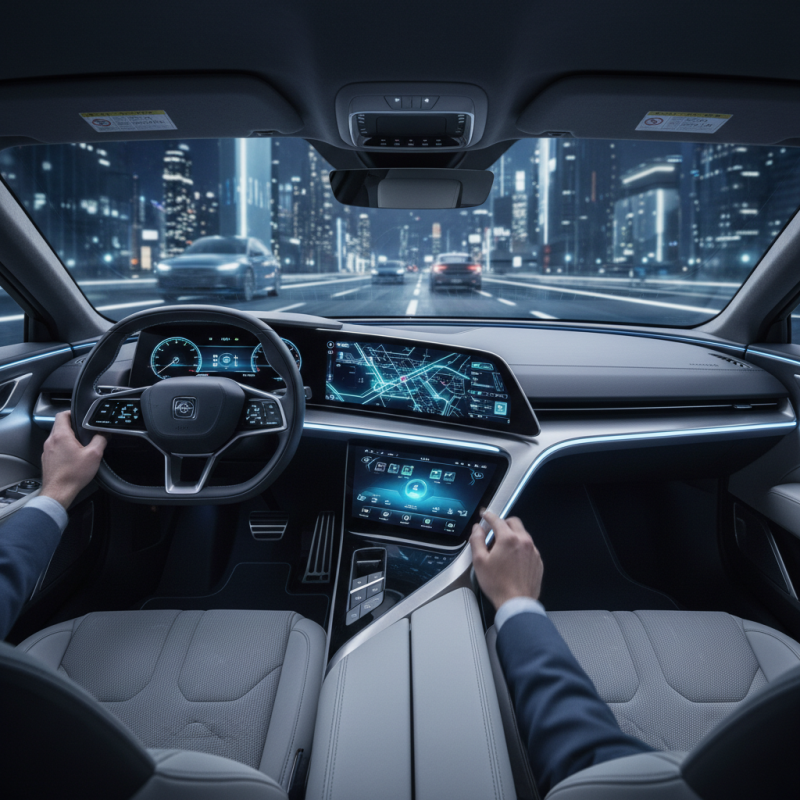
The automotive display panel market in China is witnessing rapid growth. Reports forecast a compound annual growth rate (CAGR) of over 20% in the next few years. This surge is driven by increasing consumer demand for advanced technology in vehicles. More cars now feature high-resolution screens to enhance user experience.
Chinese manufacturers are at the forefront of innovation. Their focus is on integrating smart functions and connectivity features. Such advancements are transforming the driving experience and making cars more interactive. However, the market faces challenges, including quality control and rapid technological changes. Continuous improvements are essential to stay competitive.
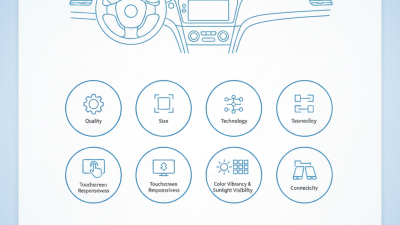
Tips for consumers: Prioritize functionality over gimmicks. Look for displays with clear visibility under different lighting conditions. Assess durability, as screens face wear and tear during use. The rising trend of gesture control and voice activation is also noteworthy. Stay informed about these features as they evolve, but be cautious of overhyped claims.
Emerging Technologies: OLED, LCD, and MicroLED in Automotive Displays
The automotive industry is experiencing a revolution in display technology. OLED, LCD, and MicroLED are the front-runners of this change. These technologies are reshaping in-car experiences, offering vibrant colors and sharp images. OLED displays are known for their deep blacks and energy efficiency. They enhance visibility in various lighting conditions. This makes them ideal for dashboards and infotainment systems.
LCD technology has been a staple in automotive displays, providing reliable performance. It excels in affordability and consistency. However, it struggles with contrast when compared to OLED and MicroLED. The MicroLED technology is gaining attention as it combines the best features of both. It offers excellent brightness and color accuracy. These displays are also expected to improve lifespan significantly.
While these advancements are promising, they come with challenges. Cost remains a major factor. Not every manufacturer can afford to implement cutting-edge technology. Additionally, there is always a learning curve as developers adapt to new systems. Balancing innovation with practicality is crucial. The future of automotive displays will likely see a blend of these technologies, each serving different needs and markets.
Market Trends: Sales Growth and Demand for Digital Dashboards in 2023
In 2023, the market for automotive display panels in China is undergoing significant transformation. Rising consumer expectations are driving demand for digital dashboards. These modern displays enhance user experience through advanced features and intuitive interfaces. Such improvements often require reliable software and hardware integration, which is still a challenge for many manufacturers.
Sales growth in this sector reflects a shift towards smart vehicles. As electric vehicles gain popularity, digital dashboards are becoming standard. They offer personalized driving information and real-time updates. However, the rapid pace of innovation can create obstacles. Some manufacturers struggle to keep up with the latest technology trends. This inconsistency can impact reliability and user satisfaction.
Moreover, digital dashboard designs must balance aesthetics and functionality. Striking this balance is crucial but not always achieved. Companies must listen closely to consumer feedback to refine their products. The future of automotive display panels hinges on these efforts. Consistent improvement is key to maintaining a competitive edge in this evolving market.
Top 10 Automotive Display Panels in China Leading the Future of Car Technology
| Rank |
Display Type |
Screen Size (inches) |
Technology |
Projected Sales (Units in Millions) |
Demand Trend |
| 1 |
Digital Instrument Cluster |
12.3 |
LCD |
3.5 |
High |
| 2 |
Head-Up Display (HUD) |
10.0 |
Projection |
2.8 |
Growing |
| 3 |
Infotainment Display |
15.6 |
OLED |
4.2 |
High |
| 4 |
Central Control Display |
14.0 |
LCD |
3.0 |
Steady |
| 5 |
Rear View Mirror Display |
7.0 |
LCD |
1.5 |
Increasing |
| 6 |
Climate Control Display |
8.0 |
LCD |
2.0 |
Stable |
| 7 |
Touchscreen Display |
12.0 |
IPS |
3.3 |
Rising |
| 8 |
Navigation Display |
10.1 |
LCD |
2.5 |
Sustaining |
| 9 |
Vehicle Status Display |
7.5 |
LCD |
1.2 |
Stable |
| 10 |
Content Display Screen |
11.0 |
OLED |
1.8 |
Increasing |
Key Players: Top Manufacturers of Automotive Display Panels in China
The automotive display panel market in China is witnessing rapid transformation. As more companies invest in technology, competition intensifies. A report by MarketsandMarkets shows that the automotive display market could reach USD 29 billion by 2025, reflecting a CAGR of 10.2%. This growth is driven by the rise of electric vehicles and increasing consumer demand for enhanced user interfaces.
Key players in China illustrate this evolution. Leading manufacturers are focusing on innovation in display technology. They incorporate high-resolution screens, touch functionalities, and advanced connectivity features. The shift towards digital dashboards is reshaping the driving experience. However, challenges remain. Ensuring reliability and longevity while reducing production costs is an ongoing concern.
Moreover, integrating innovative displays within existing vehicle systems poses technical hurdles. Many companies are exploring collaborations with tech firms to harness expertise in software and hardware integration. As more players join the market, maintaining quality becomes paramount. Striving for excellence will define the leaders in this competitive landscape. From enhanced driver experiences to smart vehicle control, automotive display panels are pivotal in shaping future automotive technology.
Future Innovations: The Role of AI and Augmented Reality in Display Tech
The evolution of automotive display panels is significantly influenced by cutting-edge technologies like AI and augmented reality (AR). According to a recent report from MarketsandMarkets, the global automotive display market is projected to reach $32.3 billion by 2025. This growth is propelled by the integration of smart technologies in vehicles.
AI plays a crucial role in personalizing the driver experience. For instance, AI can predict driver preferences, adjusting display settings on-the-fly. Meanwhile, augmented reality enhances navigation systems, overlaying critical information onto the real world. This allows drivers to keep their eyes on the road while accessing vital data.
**Tip:** When shopping for a car, consider systems that support AI and AR. These technologies can improve safety and enhance driving pleasure.
However, the rapid adoption of these technologies presents challenges. User interface design needs constant refinement to avoid overwhelming drivers with too much information. A balance between tech and usability remains vital.
**Tip:** Stay updated on innovations in automotive tech. Understanding these advancements can guide your choices when purchasing a vehicle.

 +86-13662287276