Top 10 Wide Viewing Angle Displays for Ultimate Viewing Experience
In the world of display technology, wide viewing angle displays have become increasingly popular. This popularity stems from their ability to deliver stunning visuals from almost any angle. Dr. Emily Chen, a renowned expert in display technologies, emphasizes the significance of this feature: "Wide viewing angles are essential for immersive experiences in both professional and personal settings."
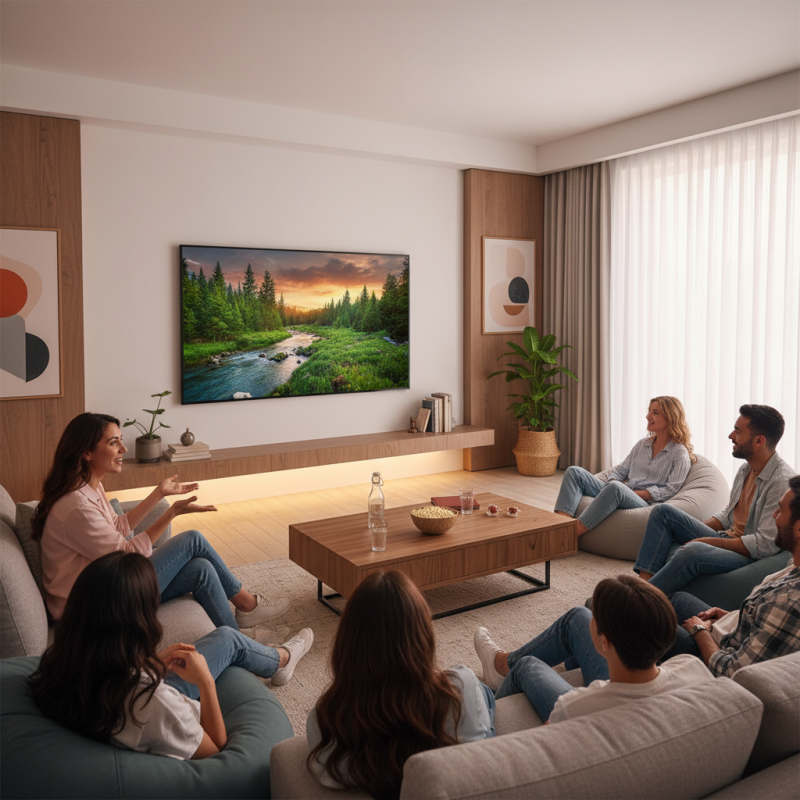
As consumers demand higher quality in their entertainment and work environments, manufacturers are focusing on improving wide viewing angle displays. These displays minimize color distortion and maintain image integrity, even from extreme angles. For instance, when watching a movie with friends, everyone can enjoy the same vibrant colors and crisp details without shifting positions.
However, the rapid development of this technology raises questions. Are these displays as reliable as manufacturers claim? Some users have reported inconsistencies in performance, especially in budget models. As we explore the top 10 wide viewing angle displays, it’s crucial to consider not only their features but also real-world performance to ensure your viewing experience meets expectations.
Understanding Wide Viewing Angle Technology in Display Screens
Wide viewing angle technology has evolved significantly, enhancing our display experiences. This technology allows viewers to see content clearly from various angles. Traditional screens often suffer from color distortion and brightness loss at wider angles. In contrast, wide viewing angle displays maintain color fidelity and image sharpness, even when viewed from the sides.
Several techniques enhance the perspective experience. One common method uses advanced IPS (In-Plane Switching) panels. These panels offer improved viewing angles compared to older technologies. They achieve this by aligning liquid crystals in a parallel manner. Color reproduction remains consistent, making them ideal for collaborative environments. Yet, even with advancements, some users may notice minor imperfections in off-angles. This phenomenon can sometimes lead to viewer frustration.
The benefits are substantial, yet there are challenges. Not every wide-viewing technology excels in every category. Some screens may exhibit slower response times or cost issues. Understanding these trade-offs is essential for potential buyers. In the end, investing in the right display can transform your viewing experience, but careful consideration is crucial.
Benefits of Wide Viewing Angle Displays for Various Applications
Wide viewing angle displays have become essential in many applications. They offer a more immersive experience for users, especially in collaborative environments. Whether in a conference room or a home theater, the benefits are clear. Viewers can see the same vibrant colors and details from different angles. This reduces the need for viewers to sit directly in front. Efficiency increases when everyone can engage equally.
In educational settings, these displays enhance learning experiences. Students can gather around a screen and share insights without losing image quality. This accessibility fosters collaboration. However, not all wide viewing angle displays deliver. Some may distort colors at extreme angles, affecting comprehension. Users should explore their options carefully. Not every display meets high standards for color accuracy and reproduction.
In retail, wide viewing angle displays can showcase products effectively. Customers from various angles see the same rich visuals. This can lead to increased sales and customer engagement. But these displays can be expensive. Retailers need to weigh the investment against potential gains. Each application demands careful consideration of viewing requirements and budget constraints. Choices should reflect real needs rather than trends.
Top 10 Wide Viewing Angle Displays for Ultimate Viewing Experience
Wide viewing angle displays provide exceptional clarity and color accuracy from various perspectives, making them ideal for collaborative environments, digital signage, and home entertainment.
Key Specifications to Evaluate in Wide Viewing Angle Displays
When evaluating wide viewing angle displays, several key specifications are crucial. First, examine the panel type. IPS (In-Plane Switching) panels generally offer better color accuracy and wider viewing angles than TN (Twisted Nematic) panels. According to a recent report from DisplayMate, IPS displays can sustain color fidelity up to 178 degrees, while TN panels start to lose color accuracy much sooner.
Next, consider the color gamut. A wide color gamut ensures vibrant and true-to-life colors. Look for displays that cover at least 99% of the sRGB spectrum. This can significantly enhance visual experiences. Additionally, contrast ratios play a vital role. A higher ratio improves differentiation between dark and light shades, helping to convey depth in images.
Tips: Always calibrate your display settings. Regular calibration maintains color accuracy over time. Not all monitors come pre-calibrated, which can lead to discrepancies in color.
Also, note that viewing angle doesn’t solely depend on the display type. Room lighting and screen positioning are critical too. Glare from windows or overhead lights might affect your viewing experience. Consider using anti-glare screens to mitigate this effect.
Top 10 Wide Viewing Angle Displays for Ultimate Viewing Experience
| Model |
Screen Size |
Resolution |
Panel Type |
Viewing Angle (H/V) |
Brightness (cd/m²) |
Contrast Ratio |
| Model A |
27" |
2560 x 1440 |
IPS |
178° / 178° |
350 |
1000:1 |
| Model B |
32" |
3840 x 2160 |
VA |
178° / 178° |
400 |
3000:1 |
| Model C |
24" |
1920 x 1080 |
IPS |
178° / 178° |
250 |
1000:1 |
| Model D |
34" |
3440 x 1440 |
IPS |
178° / 178° |
300 |
1000:1 |
| Model E |
27" |
2560 x 1440 |
OLED |
180° / 180° |
500 |
100000:1 |
Top Brands and Models Offering Exceptional Viewing Angles
When it comes to wide viewing angle displays, several brands consistently lead the market. Their models offer impressive color accuracy and minimal distortion. These features enhance the viewing experience, especially in group settings. Gamers and movie enthusiasts prefer displays that maintain image quality from various angles. Not all displays perform well in this area, creating a disparity in user satisfaction.
Visual quality is crucial, but it often depends on the panel technology used. IPS and VA panels typically provide better viewing angles than TN panels. However, both types can have their shortcomings. For instance, some VA panels may suffer from slower response times. Consumers need to weigh these factors based on their viewing habits. The technology should cater to specific needs, whether for casual viewing or professional use.
Another consideration is the display size and resolution. Larger screens often provide a more immersive experience, but not all large displays excel in viewing angles. Some setups might require careful positioning. Buyers might overlook these aspects, leading to long-term dissatisfaction. It’s essential to research thoroughly before making a purchase, given the range of options available in today’s market.
Market Trends and Future Innovations in Wide Viewing Angle Displays
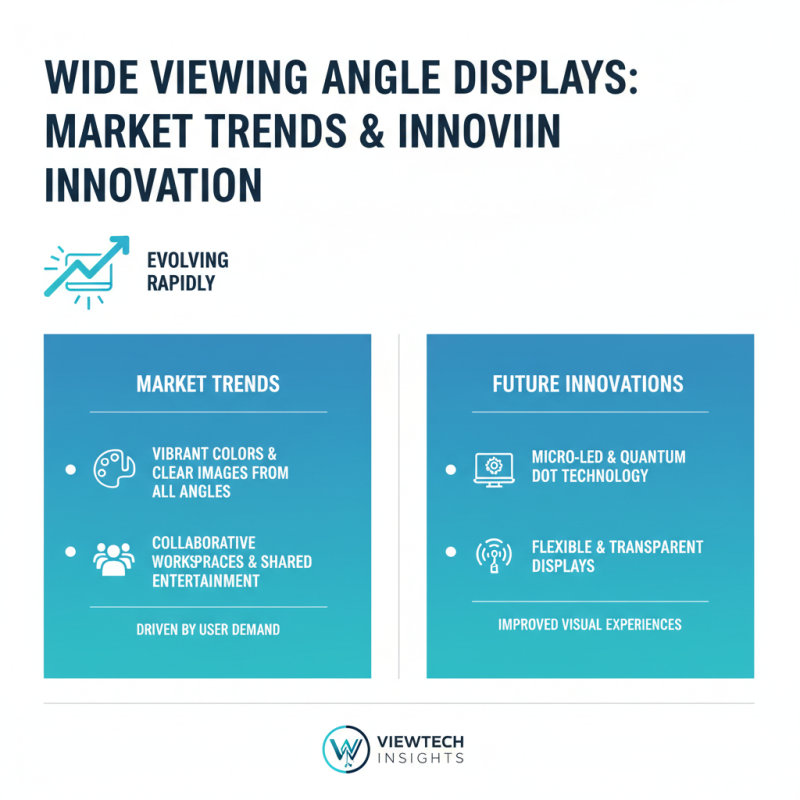
Wide viewing angle displays are evolving rapidly. Users increasingly seek screens that offer vibrant colors and clear images from various angles. This trend is driven by the rise of collaborative workspaces and shared entertainment settings. People want to enjoy their favorite shows or presentations from different positions in a room.
Recent innovations focus on enhancing visual quality without compromising on design. Manufacturers are experimenting with new materials and technologies. These advancements often include advanced LCD and OLED panels. Such displays deliver consistent brightness and color accuracy. However, not all innovations meet user expectations. Sometimes, the cost of production affects product availability.
Another consideration is sustainability. As demand for wide viewing angle displays grows, so does the need for environmentally friendly practices. Many companies are exploring how to reduce waste. Balancing quality, availability, and eco-consciousness remains a challenge in this market. As the landscape shifts, consumers expect both performance and responsibility from display manufacturers.

 +86-13662287276