2026 How to Choose Low Power Consumption LEDs for Your Needs?
In the realm of energy efficiency, Low-Power Consumption LEDs stand out as a pivotal technology. According to Dr. Lisa Thompson, a leading expert in energy solutions, “The right LEDs can reduce energy usage without sacrificing brightness.” This highlights the critical role of selecting the suitable products for various applications.
Choosing the right Low-Power Consumption LEDs involves multiple considerations. Factors such as lumen output, color temperature, and beam angle can significantly affect performance. For instance, a well-placed LED with the appropriate brightness can illuminate a space effectively while minimizing power usage. It’s essential to evaluate the purpose of the lighting and the environment in which it will be used.
Additionally, awareness of pitfalls is crucial. Not all Low-Power Consumption LEDs are created equal. Some products may promise savings but fail to deliver on performance. Consumers must research brands and verify specifications to ensure reliability. This journey toward optimal energy efficiency can be complex, but informed decisions lead to greater satisfaction and sustainability. Take time to explore and reflect on your options; every detail counts.

Understanding LED Technology and Power Consumption
Understanding LED technology is crucial for making informed choices about low power consumption lighting. LED lights convert electricity into light with remarkable efficiency. Typically, they use up to 80% less energy compared to traditional incandescent bulbs. According to a 2022 report by the U.S. Department of Energy, a standard 10-watt LED can produce the same brightness as a 60-watt incandescent bulb. This not only reduces energy bills but also lessens environmental impact.
When selecting LEDs, consider not just power consumption, but also the Color Rendering Index (CRI) and lumens per watt. A high CRI enhances color accuracy, making spaces look more vibrant. Conversely, focusing solely on wattage can lead to subpar lighting without adequate brightness. Reports indicate that lighting can account for about 20% of electrical consumption in homes. Thus, choosing the right LEDs can lead to significant savings.
While many manufacturers advertise energy efficiency, not all LEDs perform equally. Research shows discrepancies in reported lifespans; some brands claim 25,000 hours, yet real-world usage often falls short. Buyers should consult independent testing reports to evaluate performance claims. This helps ensure you get reliable, long-lasting products that truly deliver on energy savings.
Identifying Your Lighting Needs and Requirements
When selecting low power consumption LEDs, understanding your lighting needs is crucial. Key factors include the intended space, brightness levels, and color temperature. Studies indicate that 60% of users report poor lighting choices impact productivity. A well-lit environment enhances focus. For example, offices typically require around 300-500 lumens per square meter. However, many still underestimate this requirement.
Consider the ambiance as well. Warm white (2700K-3000K) enhances comfort, while cool white (4000K-5000K) focuses the mind. Data suggests a 40% preference for warm tones in residential areas for a cozy feel. Incorrect color temperature can make spaces feel harsh or sterile.
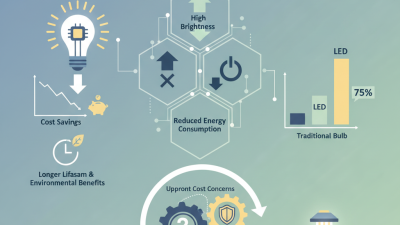
Finally, reflect on energy efficiency. The LED industry has shown that switching to low power LEDs can reduce energy consumption by up to 75%. Many individuals, however, still cling to traditional bulbs, missing out on long-term savings. Assessing your lighting needs with accurate data is vital in making informed decisions.
2026 How to Choose Low Power Consumption LEDs for Your Needs?
| Lighting Application |
Recommended LED Type |
Power Consumption (Watt) |
Lumen Output |
Color Temperature (Kelvin) |
Lifespan (Hours) |
| Residential Living Room |
Warm White LED |
10 |
800 |
2700 |
25000 |
| Office Space |
Cool White LED |
12 |
1000 |
4000 |
30000 |
| Outdoor Pathway |
Frosted LED |
8 |
600 |
3000 |
20000 |
| Retail Store |
Daylight LED |
15 |
1200 |
5000 |
30000 |
| Garage |
Neutral White LED |
20 |
1600 |
4000 |
50000 |
Evaluating LED Efficiency and Performance Metrics
When selecting low power consumption LEDs, focusing on efficiency and performance metrics is crucial. Evaluate lumens per watt (lm/W) ratings to gauge brightness relative to energy used. A higher lm/W indicates better efficiency, which can lead to energy savings over time. Compare color temperature and color rendering index (CRI) too. These factors influence how light appears in your space.
Tip: Always check the manufacturer's specifications. They often provide detailed information about efficiency ratings. Look for LEDs with a minimum of 80 CRI for better color accuracy.
Another consideration is the lifetime of the LED. Quality options should last at least 25,000 hours. Yet, variations in manufacturing may affect real-world performance. Don't assume all LEDs are the same. Some may dim quickly or fail prematurely. It’s important to read reviews and gather insights from users.
Tip: Consider opting for products with a warranty. This may reflect confidence in the product’s longevity. A warranty can also indicate the manufacturer’s commitment to quality.
LED Power Consumption and Efficiency Comparison
Comparing Different Low Power Consumption LED Options
When considering low power consumption LEDs, it's essential to compare options based on efficiency and longevity. Studies reveal that LEDs can be ten times more efficient than traditional incandescent bulbs. They provide significant energy savings, consuming up to 75% less electricity. This efficiency translates into lower utility bills and a reduced carbon footprint.
The lumen output is a critical factor. Different LEDs produce varying brightness levels, impacting their overall effectiveness. The best options emit around 80-100 lumens per watt. High-quality options may come at a higher initial cost, but they often last over 25,000 hours. A recent report from the Department of Energy states that commercial buildings using LED lighting see a significant drop in energy use, highlighting the practicality of investing in efficient lighting.
However, not all low power LEDs are created equal. Some may not provide the color quality desired, affecting mood and productivity. Factors like color temperature and CRI (Color Rendering Index) should be evaluated. Buyers often overlook these details, leading to dissatisfaction. It's vital to review specifications thoroughly to ensure that the chosen LED meets both energy efficiency and aesthetic needs.
Making a Sustainable Choice for Long-Term Use
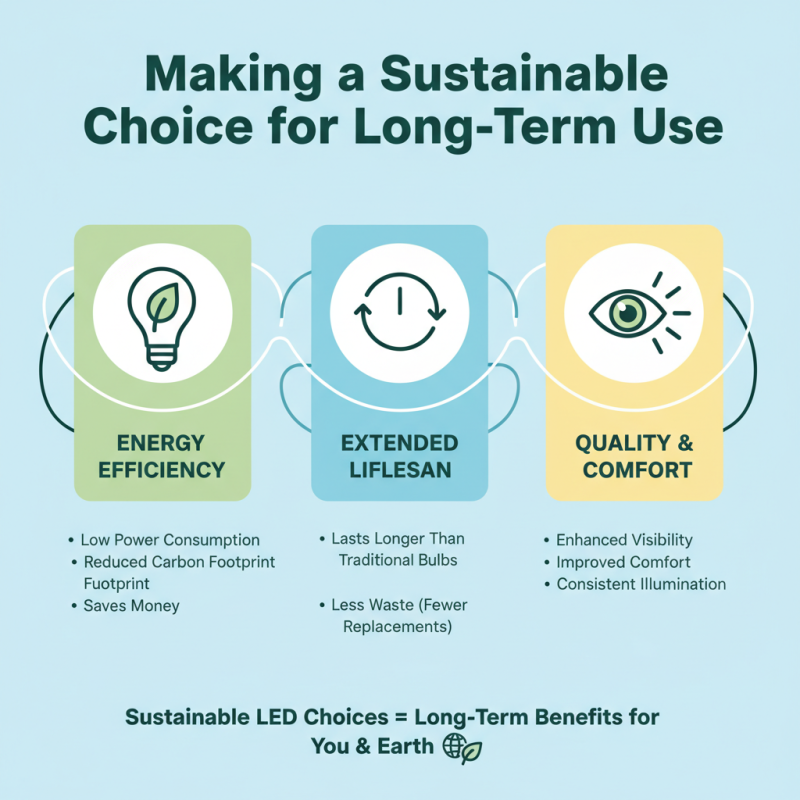
When selecting low power consumption LEDs, focus on sustainability. Sustainable choices bring long-term benefits. Efficient LEDs consume less energy, reducing your carbon footprint. They last longer than traditional bulbs, which means less waste. Consider the quality of light they produce. High-quality LEDs enhance visibility and comfort.
Tips for choosing the right LED: Check the lumen output. It measures brightness, so choose based on your needs. Look for labels indicating energy efficiency. Higher ratings mean lower energy use. Pay attention to the color temperature as well. A warmer light can create a cozy atmosphere, while cooler tones are more energizing.
Reflect on your specific needs. A home office may require different lighting than a reading nook. It’s essential to consider how much light you require in various spaces. Sometimes, purchasing in bulk seems cost-effective, but assess if all bulbs will be used efficiently. Make informed decisions about wattage and brightness for optimal impact. Ensure you invest in LEDs that suit your style and functionality.

 +86-13662287276