Best Grade Rugged Screens for Global Buyers to Consider?
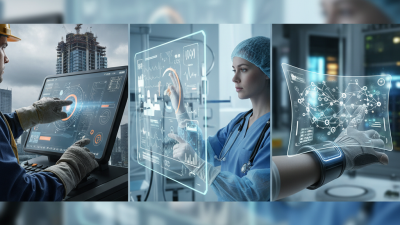
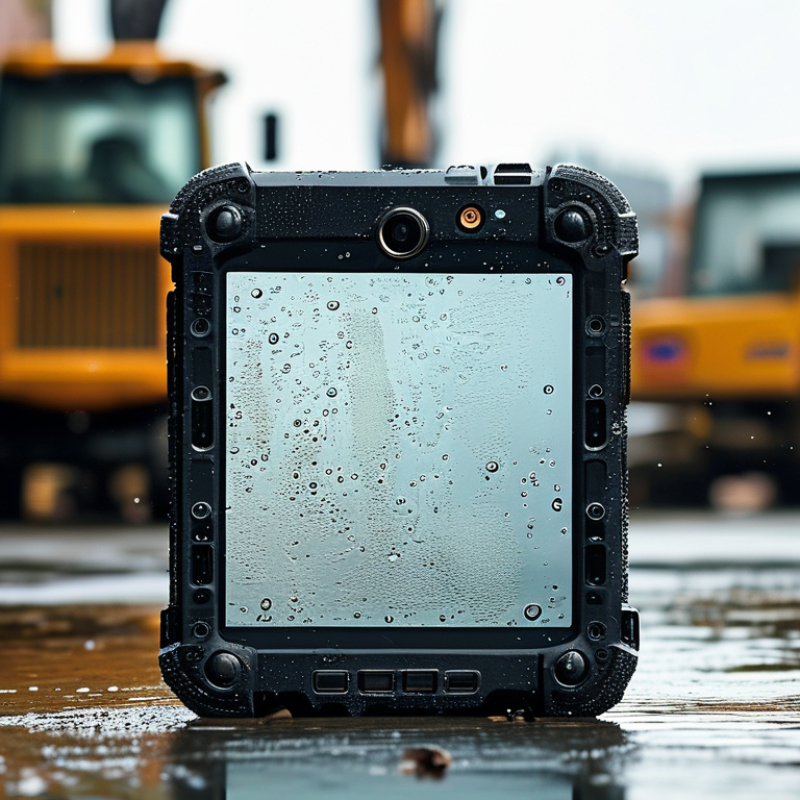
When exploring the world of technology, Grade Rugged Screens emerge as a critical component for various industries. These screens are built to withstand harsh conditions. From construction sites to outdoor events, they offer resilience and dependability. Their ability to resist drops, water, and dust makes them essential for professionals on the go.
However, not all Grade Rugged Screens are created equal. Global buyers must consider factors such as display quality, battery life, and overall durability. Investing in the right screen can significantly impact productivity and efficiency. Yet, users should also reflect on their specific needs, including the type of work and environment.
As you weigh your options, remember that the best choice may vary for each situation. Balancing quality with cost is often a challenge. Perfection is elusive, and even the strongest screens may have limitations. Understanding these nuances is vital for making an informed decision in today's competitive market.
Overview of Rugged Screens and Their Importance in Global Markets
Rugged screens have become essential in various industries, including construction, military, and outdoor activities. Their durability is vital for environments where standard devices might fail. Research indicates that the rugged display market is projected to grow by over 5% annually until 2025. This growth emphasizes their increasing importance in global supply chains and operational efficiency.
Their significance lies in their ability to withstand extreme temperatures, vibrations, and impacts. Many reports highlight that up to 30% of devices can fail under harsh conditions. This can lead to costly downtime and data loss. In sectors like logistics, rugged screens provide reliable performance even in the most challenging environments. Workers can access information in real time, enhancing productivity and safety on the job.
However, relying solely on rugged screens might overlook other factors. Cost is a consideration; initial investment is higher than standard screens. Companies need to assess their specific needs against budget constraints. Choosing the right solution is crucial, but so is ongoing maintenance. Regular checks can ensure long-term viability, safeguarding against potential failures that could disrupt operations. Balancing durability with practicality and cost is a continuous challenge in the evolving global market.
Key Features to Look for in High-Grade Rugged Screens
When selecting high-grade rugged screens, focus on several key features. One crucial aspect is durability. Rugged screens must withstand drops, shocks, and extreme temperatures. Look for devices rated under military standards, as these provide assurance for tough environments. An IP rating for dust and water resistance is essential, particularly if the screen will be used outdoors.
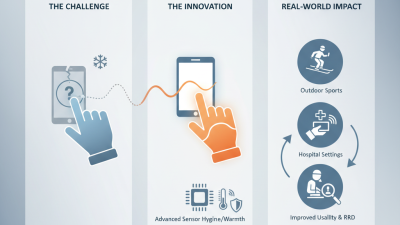
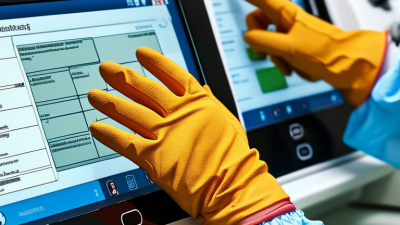
Another vital feature is visibility. Rugged screens should have high brightness levels and anti-glare technology. This ensures readability in bright conditions. Check for touchscreen responsiveness, even when wearing gloves. Some models may fall short in this area, leading to frustration in demanding situations. Battery life is also important. A long-lasting battery means less downtime during critical tasks.
Consider software compatibility and ease of use. A rugged screen might excel in toughness but still lag in software integration. User experience cannot be overlooked. Feedback from real-world use can highlight issues that specs cannot. Always question how a product performs beyond the technical sheet. Further research from industry reviews can be insightful.
Top Brands and Models of Rugged Screens Recommended for Buyers
Rugged screens are essential for professionals in demanding environments. They must withstand extreme conditions and still function effectively. When selecting rugged screens, consider their durability, performance, and brand reputation. Research indicates that the global rugged display market was valued at USD 4.1 billion in 2022 and is projected to grow significantly. This suggests a robust demand for high-quality rugged displays.
Some reputable models feature advanced technologies like high brightness and anti-glare coatings. These specifications enhance usability in direct sunlight or harsh conditions. A study by TechNavio revealed that rugged screens can reduce operational downtime by 30%. This significant reduction underscores the importance of investing in quality.
Consider that not all rugged displays meet the same standards. Look for certifications like MIL-STD-810 and IP ratings for water and dust resistance. Always verify claims made by manufacturers. It’s wise to read user reviews and seek feedback on long-term performance. Selecting a dependable rugged screen can drastically increase productivity in challenging settings.
Best Grade Rugged Screens for Global Buyers to Consider
| Model |
Screen Size |
Resolution |
Brightness (nits) |
Weight (kg) |
Battery Life (hours) |
| Model A |
10.1 inches |
1920 x 1200 |
800 |
1.2 |
12 |
| Model B |
12.5 inches |
2560 x 1600 |
1000 |
1.5 |
10 |
| Model C |
15.6 inches |
1920 x 1080 |
600 |
2.0 |
15 |
| Model D |
13.3 inches |
1920 x 1080 |
700 |
1.8 |
8 |
Comparative Analysis of Rugged Screens Across Different Industries
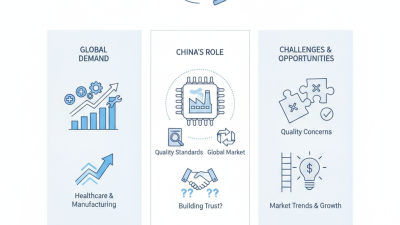
The demand for rugged screens is growing across various industries. The construction sector, for instance, requires devices that can withstand extreme weather conditions and mechanical stress. According to a recent report by MarketsandMarkets, the rugged device market is expected to reach $7.5 billion by 2025. This underscores the importance of durable technology in hazardous environments.
In the field of manufacturing, the integration of rugged screens can enhance productivity. Research reveals that 30% of manufacturers have reported fewer equipment failures when utilizing durable devices. These screens provide crystal-clear visibility and touch sensitivity, even when wearing gloves. A challenge remains, however, in balancing cost and durability. Companies must evaluate whether the investment in rugged technology justifies the operational benefits.
Healthcare is another industry where rugged screens are vital. Hospitals require devices that can handle frequent cleaning and disinfection. A study indicated that 25% of healthcare workers prefer rugged tablets due to their robustness. However, the jury is still out on whether these devices can fully substitute traditional computers in critical patient care settings. Striking the right balance between portability and functionality continues to be a challenge.
Comparative Analysis of Rugged Screens Across Different Industries
Future Trends in Rugged Screen Technology for International Consumers
Rugged screen technology is evolving rapidly, catering to international consumers who require reliable devices in challenging environments. According to a recent industry report, the global rugged display market is projected to grow at a CAGR of 8.5% through 2027. This growth is driven by sectors like manufacturing, military, and logistics, which demand screens that withstand harsh conditions.
Future trends indicate a shift towards enhanced durability and improved display features. For instance, innovations in Gorilla Glass and other advanced materials are making screens more resilient. Additionally, advancements in touch sensitivity are allowing users to interact with devices effectively, even with gloves on or in wet conditions. Data shows that over 40% of users report frustrations with touch responsiveness on traditional screens.
Users should prioritize screen clarity and readability. Look for screens with anti-glare technology to ensure usability outdoors. Some users might find that rugged screens can feel heavier than traditional models. This is an important factor to consider if mobility is crucial for your needs. Balancing weight and durability remains a challenge that manufacturers are striving to overcome. As trends continue toward higher performance, consumers will benefit from more choices that meet their specific needs in various environments.

 +86-13662287276