2026 Top Trends in Glove-Compatible Touchscreens Technology and Innovation?
As industries continuously innovate, Glove-Compatible Touchscreens stand at the forefront of technology, enhancing user experience across various environments. Dr. Emily Carter, a leading expert in touchscreen technology, states, “The future of user interface design hinges on the inclusion of Glove-Compatible Touchscreens.” This highlights the growing importance of touchscreens that operate seamlessly while users wear protective gear.
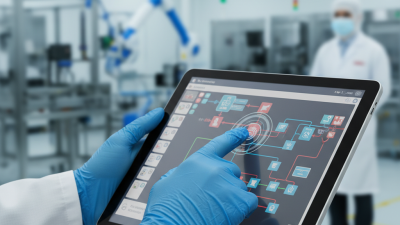
In construction sites or medical environments, Glove-Compatible Touchscreens allow professionals to interact with devices without the need to remove their gloves. Such advancements empower workers to maintain efficiency and safety, a crucial aspect in demanding fields. However, challenges remain. Many existing models still struggle with sensitivity, leading to user frustration.
The landscape of Glove-Compatible Touchscreens is dynamic, marked by rapid innovations. Companies must continue to refine their technologies to overcome barriers related to precision and responsiveness. Balancing functionality with user comfort is a task that demands constant reflection and improvement. As we move towards 2026, the evolution of this technology will shape the way we engage with touchscreen devices in a glove-wearing world.

Emerging Technologies Enhancing Glove-Compatible Touchscreen Sensitivity
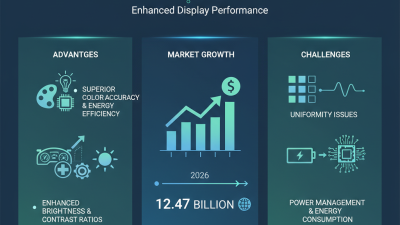
The landscape of glove-compatible touchscreen technology is evolving rapidly. As industries adopt these technologies, the need for improved sensitivity is paramount. According to a recent research report, the global market for touchscreens is projected to reach $100 billion by 2026. Enhancements in glove-compatible interfaces could capture a significant share of this growth.
Emerging technologies are focusing on integrating new materials and sensors to increase touchscreen responsiveness. For instance, capacitive touch technology is now being enhanced with advanced conductive polymers. These polymers allow users to interact with devices accurately, even while wearing gloves. Additionally, the development of multi-layered touch sensors offers improved accuracy and reduced latency, which is crucial in professional settings like healthcare and manufacturing.
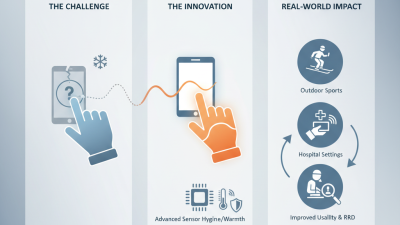
Despite these innovations, challenges remain. Many consumers still report issues with sensitivity when using gloves, especially in colder conditions. Certain gloves dampen the capacitive signals required for touchscreens. This creates a frustrating experience. Research should continue to address these limitations, ensuring that future gloves are compatible across various touchscreen backgrounds.
Key Materials Advancements for Improved Glove Interactivity in Touchscreens
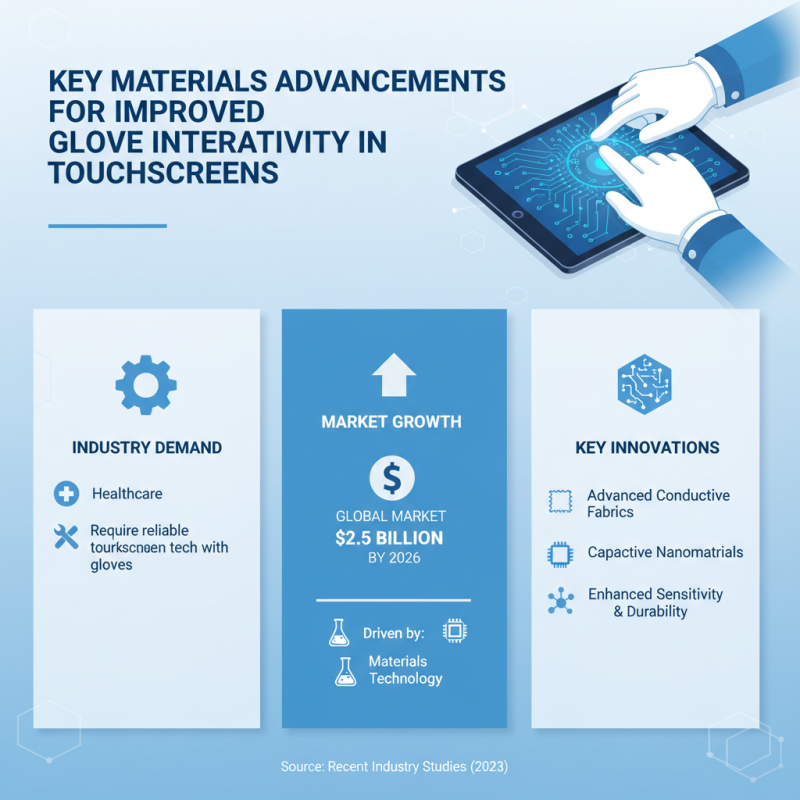
The demand for glove-compatible touchscreens is growing, especially in industries like healthcare and manufacturing. These sectors require reliable touchscreen technology that functions seamlessly with gloves. Recent studies indicate that the global glove-compatible touchscreen market is projected to reach $2.5 billion by 2026, driven by innovations in materials and technology.
Key advancements focus on improving the interactivity of touchscreens. Researchers are developing conductive materials that allow touchscreens to accurately register input through gloves. For instance, certain polymer composites blend flexibility and conductivity, enhancing user experience without compromising touch sensitivity. According to a 2023 industry report, touchscreens using these materials exhibit up to 80% accuracy in touch recognition while wearing gloves.
Tips: Consider the temperature sensitivity of materials. Proper insulation can retain touch responsiveness even in cold environments. Also, exploring unique textures on glove surfaces can provide better grip and control on touch-enabled devices. It's essential to review material specifications to ensure optimal performance across various applications. The future landscape is evolving, yet some challenges in wear and durability persist. Continued research is crucial to address these gaps in glove-compatible technology.
User Experience Innovations in Glove-Compatible Touchscreen Interfaces
The evolution of glove-compatible touchscreen technology is remarkable. Innovations are redefining user experiences across various industries. Users increasingly demand responsiveness, accuracy, and ease of use, even while wearing gloves. Designers are creating interfaces that respond seamlessly, blending functionality with comfort. This shift requires attention to user feedback, as some still face challenges.
Recent developments focus on materials and sensor technology. Enhanced materials grant touchscreens better sensitivity. Some gloves struggle with this responsiveness, leading to frustration. Interface designs also need to cater to diverse user preferences. Customization is crucial. Users appreciate interfaces that adapt to their habits, making tasks easier.
Feedback loops are vital for improvement. Developers are learning from user interactions. This dialogue can reveal unexpected issues. Despite progress, there are hurdles to overcome. Some touchscreen systems still fail to recognize commands consistently with gloves on. Understanding these limitations can guide future innovations, leading to better solutions for end-users.
Market Trends Driving Adoption of Glove-Compatible Touchscreen Solutions
The demand for glove-compatible touchscreen solutions is rapidly growing. Industries such as healthcare and manufacturing are key drivers of this trend. Workers in these fields often need to wear gloves for safety. However, traditional touchscreens do not respond well to gloved hands. This creates inefficiencies and frustration.
Recent advancements in technology have led to more responsive and accurate touchscreens. These innovations allow better interaction with devices while still wearing gloves. Capacitive touch technology is evolving, with new materials enhancing sensitivity. This means gloves no longer hinder touch response. Users report improved accuracy, leading to increased productivity.
Yet, challenges remain. Not all gloves work equally well with new touch technology. Some materials still interfere with screen interaction. Users need to find the right balance between protection and functionality. Manufacturers should continue to refine their designs. As we look to the future, the focus should remain on usability and versatility. This is essential for widespread adoption across various sectors.
Future Challenges in Developing Glove-Compatible Touchscreen Technology
Developing glove-compatible touchscreen technology presents unique challenges. One major hurdle is ensuring accuracy in touch detection while users wear gloves. Conventional touchscreens struggle to recognize fingertip pressure through fabric. This issue can affect users in various environments, such as healthcare or industrial settings, where gloves are a must.
Another challenge lies in the diversity of glove materials. Different fabrics can alter conductivity, making it difficult for touchscreens to respond consistently. Thin gloves may work, but thicker options often fail. Designers must explore innovative materials that balance warmth and touchscreen functionality. There is a need for collaboration between material scientists and tech developers to create solutions that work seamlessly.
Finally, user experience is critical. Users often have varying expectations regarding touchscreen responsiveness. Achieving a natural feel despite barriers is essential for acceptance. Research must focus on feedback systems that inform users when their touches register. This is vital to create a reliable interface that users can trust. Addressing these challenges will be key to advancing glove-compatible touchscreen technology.

 +86-13662287276