China Top Glove-Compatible Touchscreens for Global Buyers?
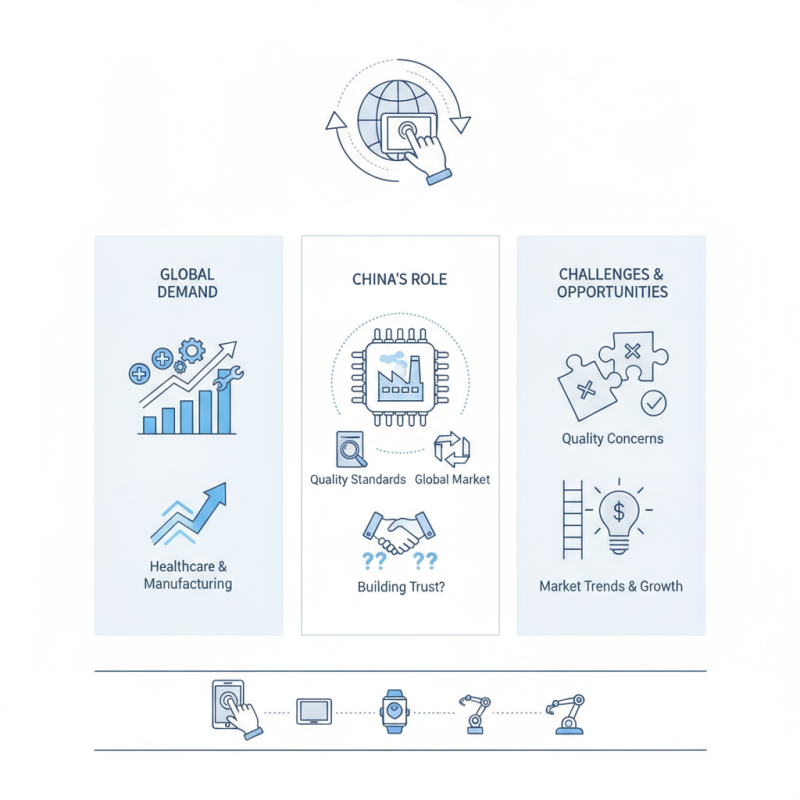
In recent years, the demand for Glove-Compatible Touchscreens has surged globally. These touchscreens allow users to operate devices while wearing gloves, enhancing functionality in various sectors. Industries such as healthcare and manufacturing require reliable touchscreen technology that can work seamlessly even in restrictive conditions.
China is emerging as a key player in the production of these specialized touchscreens. Manufacturers are focusing on creating high-quality products that meet international standards. However, navigating the global market presents challenges, including competition and varying buyer expectations. Companies must demonstrate expertise in both technology and market trends to succeed.
While many Chinese manufacturers are exploring opportunities, inconsistencies in product quality remain a concern. Building trust with global buyers is essential for long-term partnerships. Understanding and addressing these issues will contribute to the overall reliability of Glove-Compatible Touchscreens in diverse applications.
China's Role in the Global Touchscreen Market for Glove Compatibility
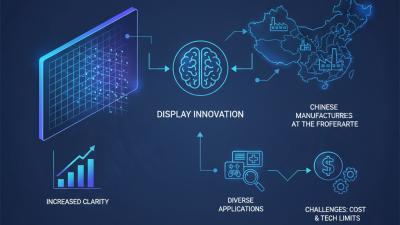
China plays a significant role in the global touchscreen market, particularly in glove compatibility. Manufacturers are increasingly focusing on developing touchscreens that work efficiently with gloves. This shift is essential for industries where safety and hygiene are priorities, such as healthcare and food services. Glove-compatible screens are designed to respond to touch without requiring direct skin contact, enhancing usability in critical environments.
When selecting a touchscreen, consider the sensitivity levels required. Some screens perform well with specific glove types while others may not. Testing different gloves with screens is vital. Users often overlook compatibility, facing frustrating experiences when screens fail to register their touch.
While China's technology continues to evolve, there are still challenges. Quality variations exist among manufacturers. Some products may underperform in real-world settings, leading to user dissatisfaction. Prior research is crucial to ensure reliable purchases. Engage with industry experts and reviews before deciding on a supplier. This approach enhances the likelihood of acquiring a high-quality, glove-compatible touchscreen suitable for your needs.
Global Touchscreen Market for Glove Compatibility
Market Trends: Growth Projections for Touchscreens in Healthcare and Industry
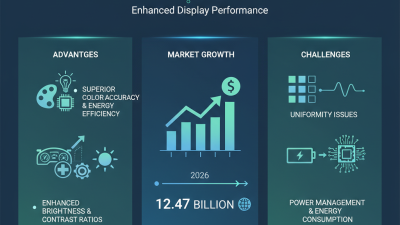
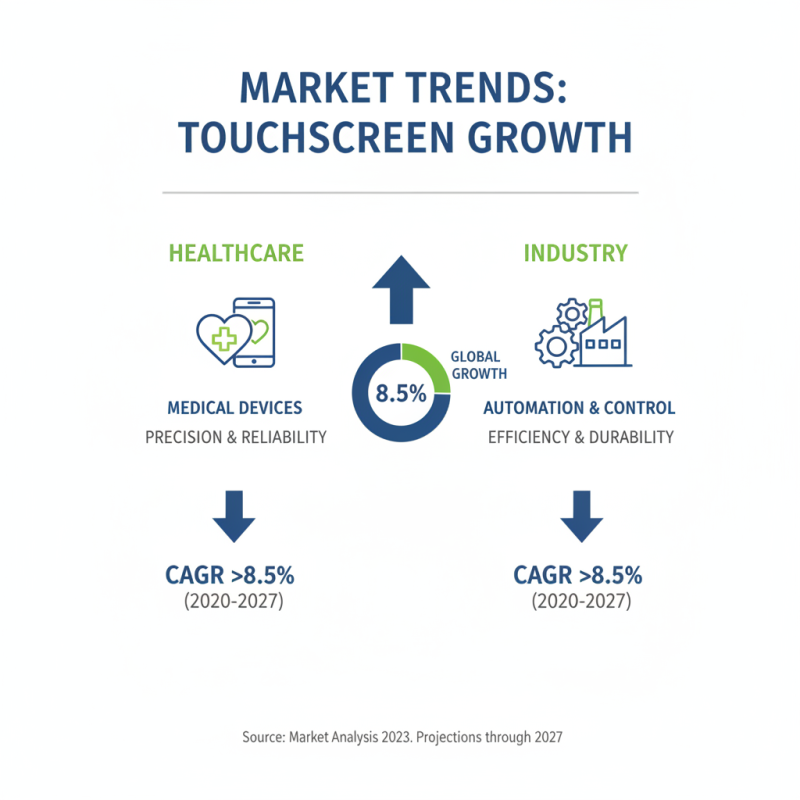
The global touchscreen market is witnessing notable growth, particularly in healthcare and industrial sectors. According to recent market analysis, the touchscreen segment is expected to expand at a compound annual growth rate (CAGR) of over 8.5% through 2027. This growth is driven by increasing demand for advanced medical devices that offer precision and reliability.
In healthcare settings, touchscreens enhance patient care and streamline operations. They allow for faster data entry and improved accessibility to medical records. A recent report highlighted that around 70% of healthcare professionals favor touch-enabled devices for their efficiency. Additionally, industries such as manufacturing and automotive are integrating touch technology to optimize productivity.
However, the rapid adoption raises concerns. Issues like cybersecurity threats are becoming prominent. Devices connected to networks must prioritize data protection. Moreover, the reliance on touchscreens can lead to user fatigue. Continuous screen interaction may cause discomfort and hinder productivity. Feedback from users indicates a need for ergonomic design improvements. These factors highlight the complexity of integrating touch technology effectively into daily operations.
Technological Innovations: Advances in Glove-Compatible Touchscreen Design
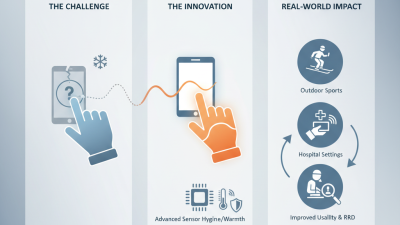
Technological advancements in glove-compatible touchscreen design have revolutionized various industries. These innovations cater to users who require precision while wearing gloves. This includes medical professionals, factory workers, and outdoor enthusiasts. The integration of special materials and improved sensitivity techniques allows users to interact effectively with devices.
When selecting touchscreens, consider the type of gloves you use. Some materials may not work well with specific screens. Testing different gloves can help find the right match. A touchscreen's responsiveness can differ based on environmental conditions as well.
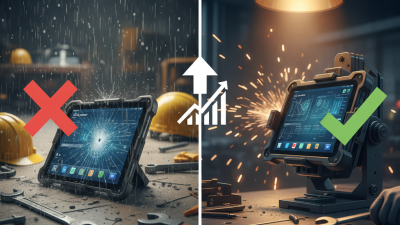
Another important aspect is durability. Touchscreen displays should resist scratches and dents. This is crucial for long-term use in demanding settings. Regular maintenance, such as cleaning, can enhance touchscreen performance. Be cautious, as some cleaning agents may damage the screen. Always opt for gentle materials.
Innovation continues, making touchscreen technology more accessible. Users should keep an open mind about periodically revisiting their choices. Improvements can lead to unexpected benefits, enhancing usability and satisfaction.
Quality Standards: Assessing China's Compliance with Global Touchscreen Norms
China has emerged as a significant player in the global touchscreen market. Recent reports highlight that approximately 30% of global touchscreen exports come from China. However, there are concerns regarding the compliance with international quality standards. High-volume production could lead to lapses in quality control, impacting overall reliability.
Challenges exist in meeting the stringent criteria set by international standards such as ISO 9001. A recent analysis indicates that only about 60% of manufacturers in China fully comply with quality assessments. This raises questions about the durability and performance of screens supplied to global buyers. Brands seeking to source touchscreens from China must prioritize manufacturers that demonstrate adherence to these norms.
Understanding the existing gaps is crucial. While Chinese manufacturers have made significant strides, inconsistencies remain. Evaluating the certifications and production processes can reveal much about a supplier’s reliability. Buyers should exercise caution and conduct thorough vetting of their potential partners in China.
Competitive Landscape: Major Players in China’s Touchscreen Manufacturing Sector
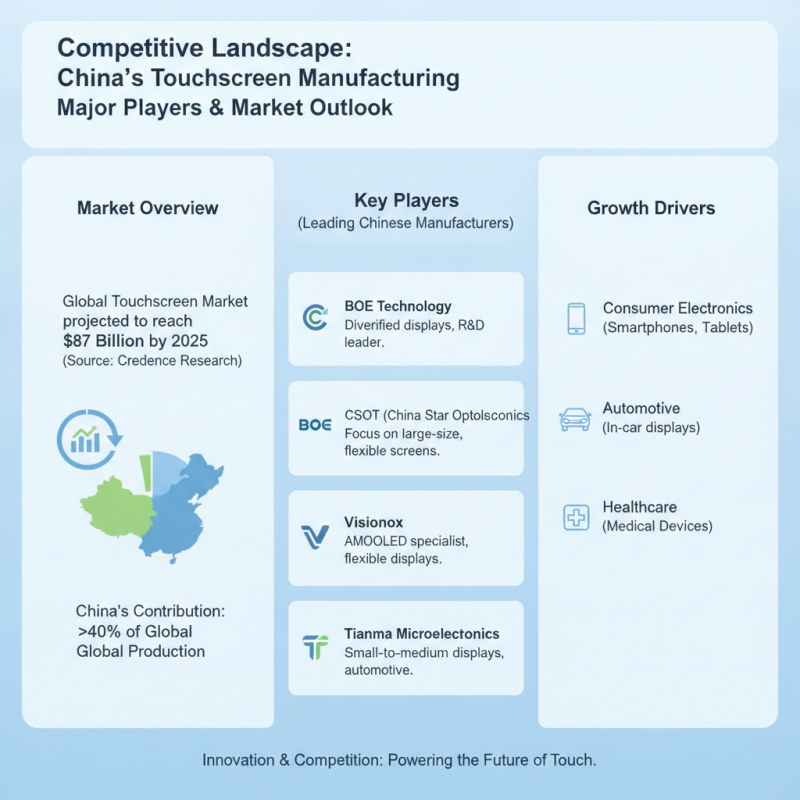
China's touchscreen manufacturing sector has proven to be both competitive and innovative. According to a recent report by Credence Research, the global touchscreen market is expected to reach $87 billion by 2025. This growth is driven by the demand for advanced technology in sectors such as consumer electronics, automotive, and healthcare. China's manufacturers play a significant role in this landscape, contributing to over 40% of global touchscreen production.
Major players in this market are focusing on enhancing the capabilities of touchscreens. Recent advancements include improvements in durability and multitouch functionality. However, quality inconsistency remains an issue. Some manufacturers have struggled with meeting international standards, leading to concerns over reliability. This gap highlights an area for growth and improvement.
Additionally, the rise of flexible touchscreens is reshaping the competitive landscape. Flexible screens are becoming increasingly popular in wearable devices and foldable smartphones. Data from industry experts indicates a projected annual growth rate of 25% in this segment by 2024. This trend presents both opportunities and challenges for manufacturers aiming to stay relevant. Adapting to new technical demands requires continuous investment in R&D, which not all players may be able to afford.

 +86-13662287276