Top Marine Grade LCD Monitors for Reliable Maritime Use?
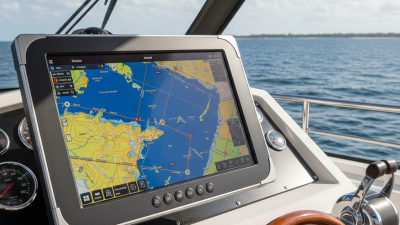
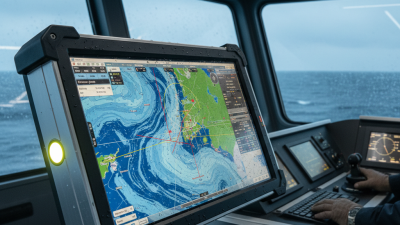
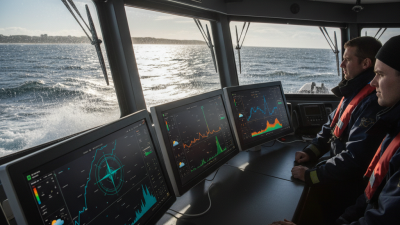
When it comes to maritime operations, the choice of equipment is crucial. Marine-Grade LCD Monitors can withstand harsh conditions at sea. These monitors are built to resist moisture, salt, and extreme temperatures. This makes them a reliable option for boats, yachts, and ships.
In the maritime world, visibility and durability are key. A high-quality Marine-Grade LCD Monitor ensures clear visibility regardless of lighting conditions. This is vital for navigation and safety. However, not all monitors are created equal. Some may struggle under specific maritime conditions, leading to screen failures or reduced visibility. Hence, choosing the right one requires careful consideration.
Various brands offer Marine-Grade LCD Monitors, each with unique features. Some might excel in brightness, while others provide advanced touch capabilities. Potential buyers should examine their needs closely. The ideal monitor should align with the specific requirements of vessel operations. Investing in reliable marine technology can significantly impact safety and efficiency on the water.
Introduction to Marine Grade LCD Monitors in Maritime Applications
Marine grade LCD monitors are essential for maritime applications. These monitors are designed to withstand harsh marine environments. They resist salt, humidity, and vibration. According to industry reports, marine electronics must comply with rigorous standards. This includes MIL-STD-810 for environmental tests. These standards ensure reliability in challenging conditions.
When selecting a marine grade monitor, consider display brightness. Monitors with high brightness can counteract glare from sunlight. A brightness level of at least 1000 nits is often recommended for outdoor use. Additionally, check for anti-reflective coatings. Such coatings improve visibility in bright conditions.
**Tip:** Ensure the monitor's operating temperature range matches your vessel's environment. Some monitors perform poorly in extreme temperatures. As a result, they may fail when you need them most. Regular maintenance and inspections can help identify potential issues early. Remember to clean the display regularly to maintain clarity and effectiveness.
Top Marine Grade LCD Monitors for Reliable Maritime Use
| Model |
Screen Size |
Resolution |
Brightness (nits) |
Waterproof Rating |
Operating Temperature |
| Model A |
15.6 inches |
1920 x 1080 |
1000 nits |
IP66 |
-20°C to 60°C |
| Model B |
21.5 inches |
1920 x 1080 |
1500 nits |
IP67 |
-30°C to 70°C |
| Model C |
24 inches |
2560 x 1440 |
1200 nits |
IP65 |
-20°C to 50°C |
| Model D |
27 inches |
3840 x 2160 |
800 nits |
IP68 |
-10°C to 55°C |
Key Features of Marine Grade LCD Monitors for Durability and Performance
Marine grade LCD monitors are essential for ensuring durability and performance in harsh maritime environments. These monitors often include robust features designed to withstand humidity, salt spray, and vibration. For instance, monitors with IP65 ratings can resist water ingress and dust, making them ideal for onboard use. A study by the Marine Electronics Association indicates that nearly 30% of maritime equipment failures are due to exposure to the elements, underscoring the importance of selecting the right monitor.
The display brightness is also a critical factor. High brightness displays, typically around 1000 nits or more, improve visibility in direct sunlight. This is vital for navigation and safety, especially when operating during peak daylight hours. Additionally, wide viewing angles ensure that critical information is visible from various positions on the vessel, a necessity for teamwork and coordination. However, many users overlook the importance of contrast ratios, which affect readability in challenging light conditions.
Considering these features can lead to improved operational efficiency and reduced maintenance costs. Data from maritime industry reports suggest that reliable equipment can enhance vessel uptime by approximately 15%. This highlights the trade-off between upfront costs and long-term reliability. While some may be tempted to opt for cheaper alternatives, the investment in high-quality marine grade monitors pays off in operational performance and safety.
Top Brands Offering Marine Grade LCD Monitors for Shipboard Use
When it comes to selecting marine grade LCD monitors, one must consider both durability and reliability. These monitors are built to withstand harsh maritime environments. They feature toughened glass, anti-reflective coatings, and corrosion-resistant materials. Such features ensure long-lasting performance on ships.
Top brands excel in creating marine grade monitors. They focus on high brightness levels to improve visibility under direct sunlight. Advanced technology allows for clear images, even in challenging conditions. Users appreciate the ability to view precise data from different angles. This is critical for navigation and monitoring systems.
Tips: Always check the IP rating of monitors. A higher rating indicates better protection against dust and water. Consider mounting options as well. Securely mounting the monitor prevents damage during rough seas. Pay attention to warranty and support; a reliable service can make all the difference. Choosing the right monitor involves both research and reflection on specific needs onboard.
Considerations for Choosing the Right Marine Grade LCD Monitor
When selecting a marine grade LCD monitor, several key factors must be considered. The environment at sea is harsh. Monitors must resist water, salt, and extreme temperatures. Look for devices with an IP rating of at least IP67. This ensures protection against dust and water.
Brightness is another critical feature. Monitors should have high brightness levels to remain visible in direct sunlight. Ideally, aim for at least 1000 nits.
Another important consideration is the monitor's durability. Look for units with reinforced glass to withstand impact. Color accuracy is essential for navigation and monitoring tasks. A high color gamut will provide better visibility of critical data. Look for monitors that are easy to calibrate, adjusting to different lighting conditions. Connectivity options matter too. Ensure the monitor supports various input types, like HDMI or VGA. These will allow compatibility with a range of devices.
Size also plays a vital role. A larger screen improves visibility from a distance. However, it must fit in the available space. Think about where the monitor will be installed. Mounting options vary, so consider flexibility in placement. Think about future needs as well. Will the monitor still meet your requirements as technology evolves? Balancing these factors will help you choose the best marine grade LCD monitor for your needs.
Best Practices for Maintaining Marine Grade LCD Monitors in Marine Environments
Marine environments are tough on equipment. Humidity, saltwater, and temperature changes can harm LCD monitors. Regular maintenance is critical for reliability.
Cleaning the monitor regularly is essential. Use a soft cloth and a mild cleaning solution. Avoid harsh chemicals that can damage screens. Inspect the connections and cables for signs of wear. Corrosion can compromise performance. Check for any loose fittings or cracked casings.
Proper ventilation is also crucial. Ensure monitors have adequate airflow. Overheating can lead to failure. Monitor humidity levels, too. Excess moisture encourages mold growth. Consider protective enclosures for extreme conditions.
Regular assessments can catch issues early. Staying proactive is key.

 +86-13662287276