Top 5 Best Marine Grade Lcd Monitors for Your Boating Experience?
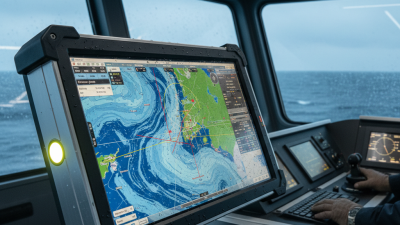
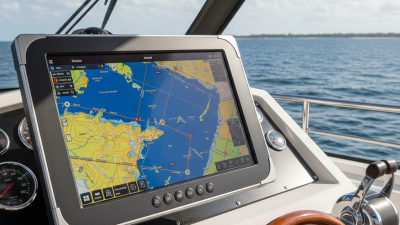
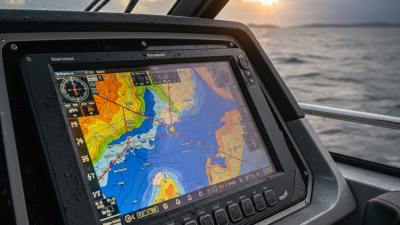
When it comes to enjoying your time on the water, having the right equipment is essential. Marine-Grade LCD Monitors are a key piece of technology for boaters today. These monitors provide clarity, durability, and resistance to harsh marine environments. Choosing the right model can greatly enhance your boating experience.
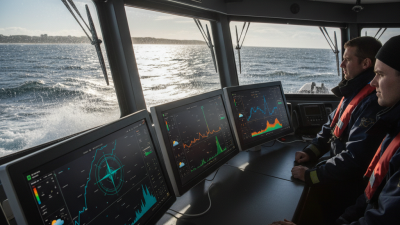
Imagine cruising across the waves, with vivid displays providing vital information. From navigation to engine performance, a reliable monitor is crucial. Many boaters overlook the importance of screen quality and build. However, a poorly made LCD can lead to frustration and safety issues.
Our exploration of the Top 5 best Marine-Grade LCD Monitors will help you navigate this sea of choices. Each model we discuss reflects our dedication to quality and performance. We also consider what sets these monitors apart. It’s vital to make informed choices when it comes to your safety and enjoyment on the water. With the right gear, your adventures can be as smooth as the sea breeze.
Top 5 Marine Grade LCD Monitors: Features and Specifications Overview
When selecting a marine-grade LCD monitor, features and specifications are critical. High brightness levels are essential for outdoor visibility. Many marine environments require a minimum brightness of 1000 nits to combat glare. This allows clear visibility in direct sunlight, which is vital when navigating at sea.
Durability is another essential factor. Monitors should be IP-rated for water and dust resistance. An IP67 rating is ideal, ensuring protection against immersion in water up to one meter. Additionally, the temperature range is significant. Devices should function well in extreme conditions, often from -20°C to 60°C. These factors are crucial for longevity and reliability on the water.
Viewers also prefer wide viewing angles, which enhance usability across different positions. A typical marine-grade monitor should provide at least a 178-degree viewing angle. Then there's connectivity. Multiple HDMI and VGA ports are necessary for various devices. As technology evolves, the importance of these features continues to grow. Feedback from users often highlights the need for better installation options. This illustrates the importance of user experience in monitor design and selection.
Top 5 Marine Grade LCD Monitors: Features and Specifications Overview
| Monitor Model |
Screen Size |
Resolution |
Brightness (cd/m²) |
Waterproof Rating |
Weight (lbs) |
| Model A |
10.1" |
1280 x 800 |
600 |
IP67 |
3.5 |
| Model B |
12.0" |
1920 x 1080 |
700 |
IP65 |
4.5 |
| Model C |
15.6" |
1366 x 768 |
800 |
IP68 |
5.0 |
| Model D |
17.0" |
1920 x 1080 |
1000 |
IP66 |
6.0 |
| Model E |
19.0" |
2560 x 1440 |
1200 |
IP67 |
7.5 |
Importance of Marine Grade Standards in LCD Monitors for Boats
When selecting LCD monitors for boating, understanding marine grade standards is crucial. These standards ensure durability and performance under demanding conditions. Harsh marine environments expose electronics to moisture, salt, and extreme temperatures. Marine grade monitors are built to withstand these challenges. They often come with enhanced seals, preventing water ingress, and special coatings that resist corrosion.
Choosing the right monitor goes beyond just marine grade features. Consider factors like visibility and brightness. Monitors with high luminance levels ensure readability in bright sunlight. A high contrast ratio will help in various lighting conditions. Remember to check the operating temperature range. It is essential for reliable performance.
Tips:
- Always verify the IP rating of the monitor. A higher rating indicates better resistance to moisture and dust.
- Look for monitors with anti-glare screens. This feature improves visibility on sunny days.
- Explore options with customizable displays. Personalization can enhance usability.
Comparative Analysis of Brightness and Visibility in Marine Monitors
When selecting marine monitors, brightness and visibility are crucial factors. Boating often involves bright sunlight, reflecting off water. A good marine monitor should have anti-glare capabilities to ensure clear viewing. Look for monitors with high brightness ratings, often measured in nits. A minimum of 1,000 nits is ideal for sunny conditions.
Consider the angles of visibility as well. Many monitors lose quality when viewed from the side. A good marine monitor should maintain image integrity at various angles. If possible, test the monitor outdoors before finalizing your choice.
**Tips:** Ensure the monitor has a robust waterproof rating. It should withstand splashes and salt. Compare different models in real boating conditions. Take notes on how each monitor performs in different lighting scenarios. Don't settle for the first option; there's often room for improvement and adjustments. Investing time in research will enhance your overall boating experience.
Durability and Waterproof Ratings: Essential Factors for Marine LCDs
When choosing a marine grade LCD monitor, durability is crucial. These monitors must withstand harsh marine environments. Saltwater, moisture, and extreme temperatures can damage regular screens. Look for monitors with robust construction designed for boating conditions. A rugged exterior can help prevent physical damage.
Waterproof ratings are another essential factor. Ratings like IP67 indicate total protection against dust and water immersion. Monitors with higher waterproof ratings are more reliable for marine use. These devices are less likely to fail in heavy rains or splashes. Remember, not all monitors are created equal. Assessing the level of waterproofing can save you from costly replacements.
Ultimately, thorough research is necessary. Examine user reviews and product tests. Real-world feedback informs about potential weaknesses. Ensure the monitor meets your specific boating needs. The right choice can enhance your experience significantly. However, don't overlook the importance of proper installation and regular maintenance. These steps can prolong the life of your marine monitor.
User Reviews and Expert Recommendations on Best Marine Grade Monitors
When selecting the best marine grade LCD monitors, user reviews are invaluable. They provide real-world insights into performance. Experts often emphasize durability and visibility in harsh marine environments. These monitors must withstand saltwater and UV rays.
User feedback often highlights screen brightness and contrast as vital factors.
Tips: Consider an anti-glare surface. It improves visibility under direct sunlight. A high brightness level ensures clear images, even on bright days. Users frequently discuss how important it is to check the monitor's responsiveness, especially in dynamic conditions.
Many experts recommend looking at installation options. Some monitors fit seamlessly into dashboards, while others are more versatile. User experiences show that ease of installation can save time.
Water resistance ratings are another critical feature. However, it’s important to remember that no monitor is completely immune to the elements. Regular maintenance and careful handling can prolong a monitor's lifespan.

 +86-13662287276