2026 How to Choose Low Power Consumption LEDs for Your Needs?
Choosing the right Low-Power Consumption LEDs for your needs can be challenging. With numerous options available, understanding their features is essential. Low-Power Consumption LEDs are becoming increasingly popular due to their energy efficiency and long lifespan.
When selecting these LEDs, consider your specific requirements. Are you looking for bright illumination, or do you prioritize energy savings? The choice might seem straightforward, yet it requires careful thought. Pay attention to the lumens output and wattage. Sometimes, high lumens can imply high energy use, which contradicts the goal of selecting low-power options.
It's also crucial to recognize that not all products are created equal. Some brands boast lower consumption yet may falter in quality. Reviewing user feedback can offer insights into performance and reliability. Striking a balance between cost and efficiency often reveals imperfections in the market. Ultimately, doing thorough research will better equip you to make an informed decision.
Understanding LED Basics: A Guide to Low Power Consumption
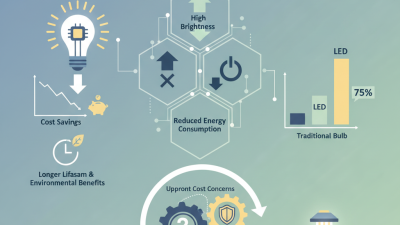
When considering low power consumption LEDs, it's crucial to understand the fundamentals of how they work. LED technology has evolved significantly in recent years, with advancements leading to an energy efficiency rate of up to 90% compared to traditional incandescent bulbs. According to the U.S. Department of Energy, adopting LED lighting can save consumers up to $700 million annually by 2027. Their longevity also contributes to sustainability, with an average lifespan of 25,000 hours or more.
Choosing the right LED involves assessing brightness, color temperature, and energy consumption. Aim for LEDs labeled with the ENERGY STAR certification, as these meet strict energy efficiency criteria. The color temperature is important; warmer lights (around 2700K) create a cozy atmosphere, while cooler lights (5000K) enhance focus and clarity.
Tips: Check the lumen output for adequate brightness. Look beyond just wattage, as lumens indicate the actual light output. Also, consider dimmable options for added versatility in lighting control. Not all LEDs are created equal; the quality of diodes can affect both performance and lifespan. Reflect on your space's specific lighting needs before making a choice, as this can streamline energy use and reduce costs.
Key Factors to Consider When Selecting Low Power Consumption LEDs
Choosing low power consumption LEDs involves several key factors. First, consider the efficiency of the LED. Look for options that provide a higher lumens-per-watt ratio. This means you’ll receive more light while using less energy, ultimately saving you money on electricity bills.
Color temperature is another important element. LEDs come in various colors, and selecting the right one can affect ambiance. If you want a warm, cozy feel, look for LEDs with a lower color temperature. For a bright and energizing atmosphere, higher color temperatures are ideal.
Tip: Think about where to use the LEDs. Different spaces may require different intensities and colors of light.
Additionally, check the lifespan of the LEDs. Many low power LEDs can last for years, reducing the need for replacements. However, some cheaper options might not deliver the same longevity. This could lead to more frequent purchases, which might offset any initial savings.
Tip: Research user reviews to gauge performance over time. It's crucial to ensure the product meets your expectations and durability standards.
Comparing Different Types of Low Power LEDs for Various Applications
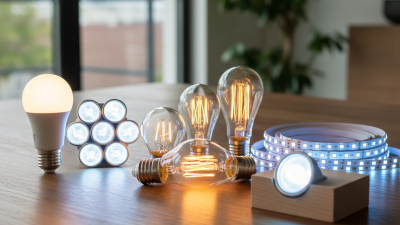
When it comes to low power consumption LEDs, different types suit various needs.
For residential use, warm white LEDs create a cozy atmosphere. These lights are energy-efficient and last longer than traditional bulbs, reducing electricity bills over time. They are perfect for living rooms and bedrooms where comfort is key.
In commercial settings, cool white LEDs provide bright, crisp lighting. These lights enhance visibility in retail spaces. They help attract customers and highlight products effectively.
However, too much brightness can be overwhelming. It’s important to find a balance. Another option is color-changing LEDs. They are versatile and can adapt to different themes and moods.
Installing low power LEDs involves considering several factors. The color temperature is crucial, as it affects the ambience. Not all low power LEDs deliver the same light quality. Checking reviews and certifications can guide your choice. It's essential to reflect on your specific needs before making a decision.
Consider the environment and usage patterns for the best results.
Evaluating Energy Efficiency Ratings of LED Products
When evaluating energy efficiency ratings of LED products, it's essential to look beyond basic specifications.
The lumens per watt (lm/W) metric is key. Higher numbers indicate brighter lights that consume less power.
For example, a product with 100 lm/W is more efficient than one with 70 lm/W.
However, not every high-lumen option is optimal for every setting.
Consider the Color Rendering Index (CRI) as well. A CRI of 90 or above is ideal for color accuracy in spaces like
art galleries or retail stores. Meanwhile, energy use can also fluctuate based on the design.
Quality heatsinking can make a significant difference in performance and lifespan.
Some products may not perform well over time, leading to higher energy costs in the long run.
It's wise to balance initial cost with expected longevity.
Be cautious of misleading labels. Some products tout high efficiencies while lacking essential performance data.
Always check if the product is certified by recognized standards. Seek out third-party reviews and tests, too.
They can reveal insights that manufacturer claims may not convey. During your search, it’s crucial to
reflect on not just the numbers, but the actual needs of your space.
Tips for Proper Installation and Maintenance of Low Power LEDs
Installing low power consumption LEDs can enhance energy efficiency. However, proper installation is key to maximizing their benefits.
Start by choosing the right fixtures designed for LED use. This ensures optimal light output and longevity. Pay attention to compatibility with existing dimmers or smart systems. If mismatched, LEDs may flicker or fail.
Maintenance is another critical aspect. Regularly clean the fixtures to prevent dust buildup. Dust can block light and reduce brightness. Monitor for any signs of wear or malfunction. In some cases, LED bulbs may flicker, signaling a need for replacement. It's essential to replace them promptly. Sometimes, users install LEDs without checking wattage. This can lead to issues with light intensity.
Consider the environment as well. Ensure proper ventilation around fixtures to avoid overheating. Poor airflow can shorten LED lifespan. While LEDs are more efficient, improper handling may diminish their advantages. Small details like wiring can also impact performance. Always refer to installation guides. Following these guidelines can lead to a smooth experience and effective lighting solutions.

 +86-13662287276