Low Power Consumption LEDs for Energy Efficient Lighting Solutions?
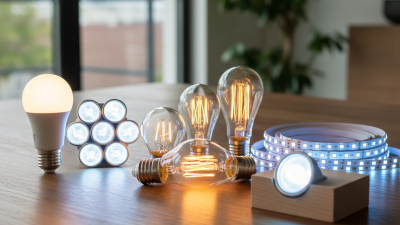
In recent years, energy efficiency has become a critical focus for sustainable development. Low-Power Consumption LEDs have emerged as a transformative lighting solution. These innovative lights use significantly less energy than traditional lighting options, reducing electricity costs. A typical LED consumes up to 80% less power than incandescent bulbs, making them a popular choice for both homes and businesses.
Moreover, Low-Power Consumption LEDs offer longer lifespans. They can last up to 25,000 hours compared to 1,000 hours for incandescent lights. This durability means fewer replacements and less waste. However, some concerns arise, including their initial cost and environmental impact during production.
Adopting Low-Power Consumption LEDs involves careful consideration of specific needs. While they present clear benefits, one must also assess the lighting quality and application context. This reflection helps ensure the most effective energy-efficient choices.
Low Power Consumption LEDs: An Overview of Energy Efficiency
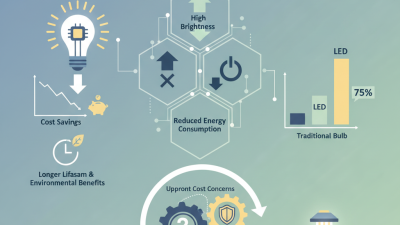
Low power consumption LEDs have revolutionized lighting by emphasizing energy efficiency. According to the U.S. Department of Energy, LED lighting uses up to 75% less energy than traditional incandescent bulbs. This reduction translates to substantial energy savings and a lower carbon footprint for consumers and businesses alike.
The efficiency of LED technology also translates into a longer lifespan. Typical LEDs can last up to 25,000 hours, compared to only 1,000 hours for incandescent bulbs. This longevity mitigates the frequent need for replacements, resulting in reduced waste and lower disposal fees. However, it’s crucial that manufacturers maintain consistent quality control to ensure that not all products meet these benchmarks.
Although LEDs represent a significant leap in energy efficiency, they are not without challenges. The upfront costs can deter some consumers. Furthermore, the lighting quality of cheaper LED options may be subpar, leading to consumer dissatisfaction. Continuous research and development are essential to bridge this gap and improve product performance, ensuring that the benefits of low power consumption are accessible to all.
Benefits of Low Power Consumption LEDs for Sustainable Lighting
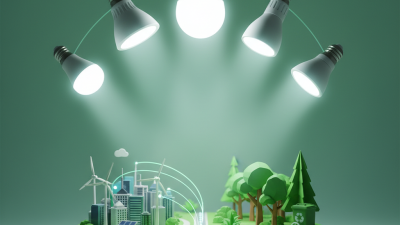
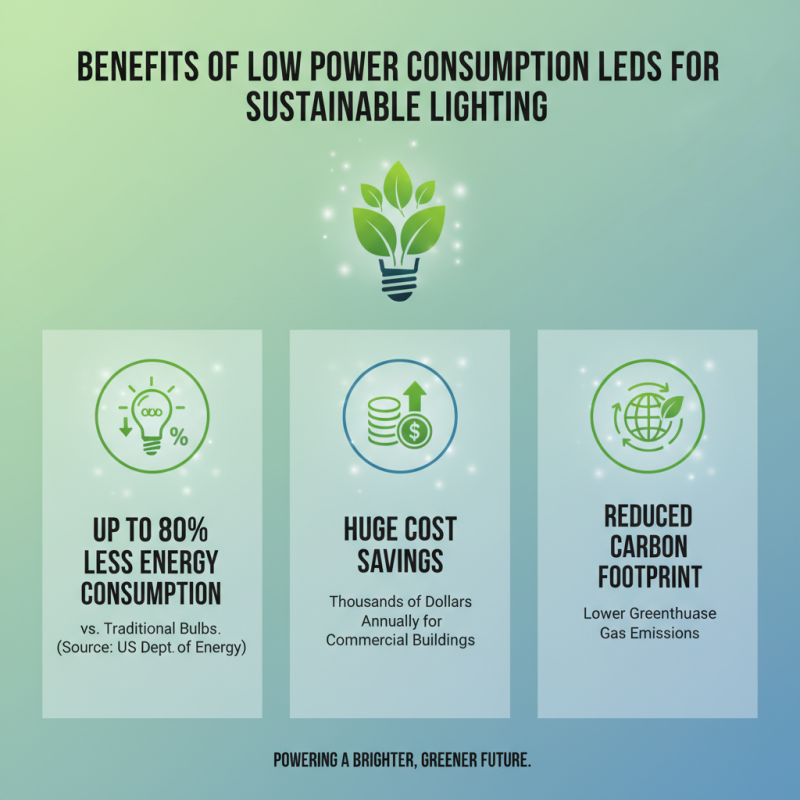
Low power consumption LEDs offer numerous benefits in the realm of sustainable lighting. According to the U.S. Department of Energy, LED lighting can reduce energy consumption by up to 80% compared to traditional incandescent bulbs. This significant reduction not only lowers electricity bills but also decreases greenhouse gas emissions. In large commercial settings, such as office buildings, switching to LEDs can lead to annual savings of thousands of dollars.
Moreover, LEDs have an impressive lifespan, lasting up to 25,000 hours. This longevity translates into fewer replacements and less waste, contributing to a more sustainable environment. A report from the International Energy Agency highlights that, by 2030, transitioning to LED lighting could help avoid 1,400 terawatt-hours of electricity demand globally. Despite these clear advantages, challenges remain. Early adoption costs can deter businesses. Some users may also question the color and quality of LED light.
The growing push for energy-efficient solutions has prompted innovations in LED technology. Advances in remote control capabilities and smart integration are exciting developments. However, market education is essential. Understanding the benefits and overcoming misconceptions about LED lighting will facilitate a broader embrace of these sustainable solutions. Energy-efficient options are important, but clear communication is critical.
Comparison of Low Power LEDs and Traditional Lighting Technologies
Low power LEDs have gained traction as alternatives to traditional lighting technologies. Unlike incandescent and fluorescent bulbs, which consume more energy, LEDs provide effective illumination with significantly lower power requirements. This efficiency translates to reduced electricity bills and a smaller carbon footprint.
When comparing these technologies, the difference in longevity is striking. Traditional bulbs often last about 1,000 hours, while LEDs can endure for 25,000 hours or more. This longevity reduces the frequency of replacements, which can be both a cost and resource burden. However, switching to LEDs isn't without challenges. Initial installation costs can be higher, leading some consumers to hesitate.
Another aspect worth considering is the quality of light. While many users appreciate LEDs for their brightness, some find the color temperature harsh. Traditional lighting, like incandescent, offers a warm glow. This subjective experience varies greatly among individuals, making personal preference crucial in choosing the right lighting solution. Transitioning to low power LEDs might improve energy efficiency, but it’s essential to evaluate overall comfort and aesthetic appeal in any space.
Applications of Low Power Consumption LEDs in Various Sectors
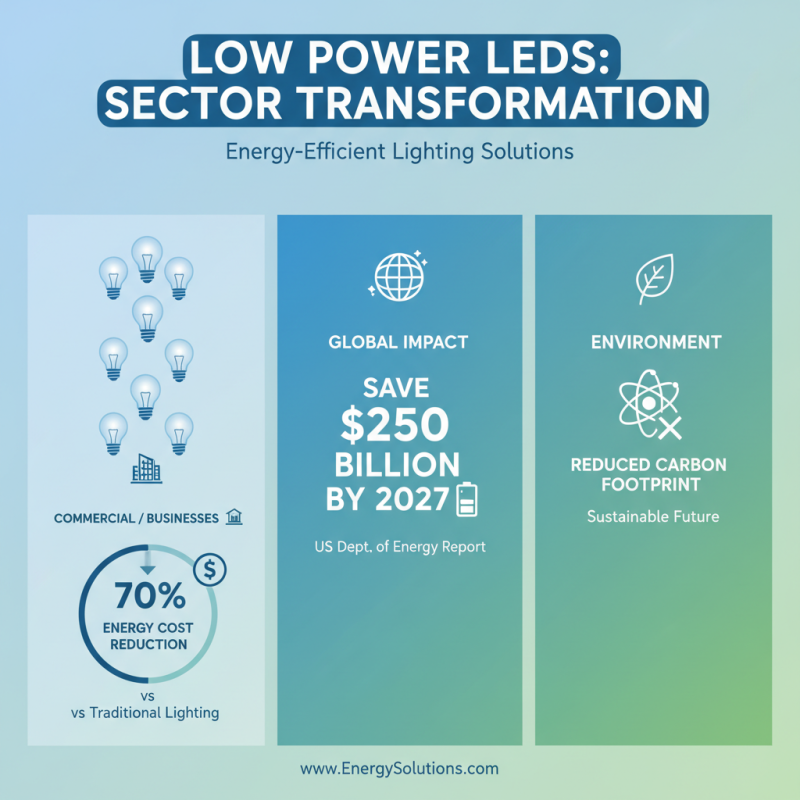
Low power consumption LEDs are transforming various sectors by providing energy-efficient lighting solutions. In commercial spaces, these LEDs can reduce energy costs by up to 70% compared to traditional lighting. A report by the U.S. Department of Energy indicates that LEDs can save about $250 billion in electricity costs by 2027 if they are widely adopted. These savings not only benefit businesses but also contribute to a significant reduction in carbon footprints.
In the healthcare sector, low power consumption LEDs play a crucial role. Hospitals utilize these lights for better energy management and to create a calming environment for patients. Studies suggest that specific wavelengths of LED light can enhance mood and healing. Furthermore, in the agricultural sector, LEDs are increasingly used in controlled environment farming. They enable growers to optimize plant growth while minimizing energy use. The technology allows for tailored light spectra, promoting healthy crop production without excessive energy consumption.
Despite these advantages, the initial costs associated with transitioning to LEDs can be a hurdle for some businesses. Budget constraints may slow down the adoption rate. Encouragingly, as production scales up, the prices for low power consumption LEDs continue to decline. The ongoing shift toward energy-efficient lighting highlights both potential and challenges within various industries.
Future Trends in Low Power Consumption LED Technology and Innovations
The future of low power consumption LED technology is promising. Innovations are emerging to enhance efficiency and reduce energy consumption. Many researchers explore advanced materials to improve light output. These advancements lead to brighter lights that use less power.
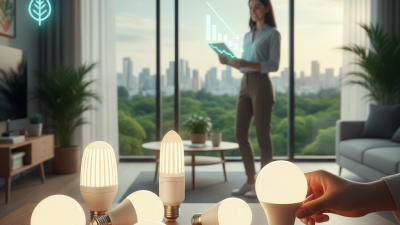
One emerging trend is the use of smart controls in LED systems. These controls allow users to adjust brightness and color temperature based on needs. This adaptability not only saves energy but also enhances user experience. However, integrating smart features can sometimes complicate installations. It's essential to balance simplicity with advanced technology for widespread adoption.
Another area of focus is the development of organic LEDs (OLEDs). These thin, flexible panels can fit various applications, from homes to commercial spaces. They offer a different aesthetic while being energy-efficient. Nevertheless, the longevity and cost of OLEDs still pose challenges. Finding the right materials to ensure durability without compromising energy savings is crucial.

 +86-13662287276