How to Choose Glove-Compatible Touchscreens in 2026?
In 2026, selecting the right Glove-Compatible Touchscreens remains a challenge for many users. Experts in the industry stress the importance of finding touchscreens that work well with gloves while maintaining clarity and responsiveness. Dr. Emily Carter, a renowned specialist in touchscreen technology, stated, “The future of touchscreens lies in their adaptability to varying user environments.”
When considering Glove-Compatible Touchscreens, factors like screen sensitivity and material are crucial. Users need screens that can detect touch accurately without compromising functionality. Glove thickness can vary significantly, impacting performance. This aspect often leads to frustration for users who rely on specific gloves in their professions.
Moreover, testing different models is essential. Not all Glove-Compatible Touchscreens will meet expectations. Users may find that some screens work well with thin gloves but struggle with thicker options. It’s important to balance performance and user needs. Ensuring that the touchscreen meets individual requirements can prevent setbacks in daily tasks. The evolving landscape of touchscreen technology demands careful consideration from consumers.
Understanding the Importance of Glove-Compatible Touchscreens
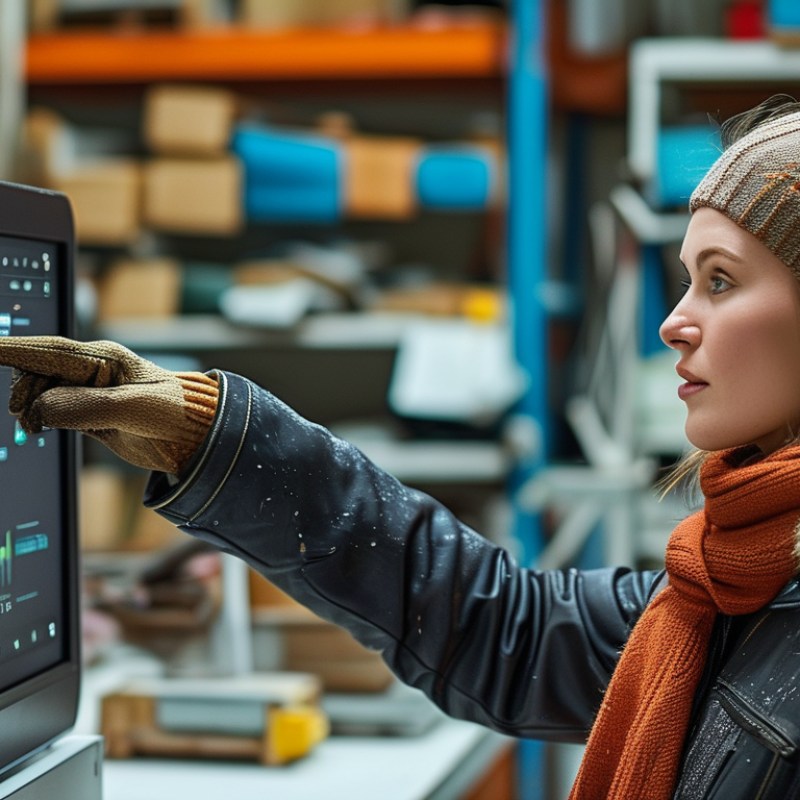
In various industries, glove-compatible touchscreens are becoming a crucial aspect of daily operations. Workers in sectors like healthcare, manufacturing, and food services often wear gloves. They need devices that respond accurately and reliably. A touchscreen that doesn't register input with gloves can lead to wasted time and frustration.
The choice of touchscreen technology is vital. Capacitive touchscreens may struggle with thick gloves but are highly responsive with bare fingers. Resistive touchscreens, though less precise, perform better with gloves. Assessing the material of the gloves is essential. Some materials work with capacitive screens while others do not. Testing different glove types with your touchscreens ensures compatibility.
Innovation in this field is ongoing. As technology advances, so do the demands for better interaction methods. Users must stay updated on new touchscreen solutions. Understanding the specifications and limitations of each screen type empowers smarter choices. This way, industries can continue to enhance productivity and safety in their environments.
Glove-Compatible Touchscreen Technologies Comparison in 2026
Key Features to Consider for Glove-Compatible Touchscreens
When selecting glove-compatible touchscreens, certain key features make a difference. You need to consider the sensitivity of the screen. A highly responsive touchscreen can register inputs even through thick gloves. This factor is crucial in environments like warehouses or cold weather regions.
Another important aspect is durability. Touchscreens often endure harsh conditions. Look for materials that resist scratches and impacts. A tough display will ensure long-term functionality and lower replacement costs. Pay attention to surface treatments that enhance visibility and reduce glare too.
Additionally, consider the size and placement of buttons. Well-placed buttons help in easy navigation while wearing gloves. Poor design can lead to user frustration and errors. It's essential to prioritize user experience in challenging environments.
Focusing on details increases the chances of making a well-informed choice. Glove compatibility is not only about technology but also about real-world usability.
Evaluating Touchscreen Sensitivity and Responsiveness
When choosing glove-compatible touchscreens, touchscreen sensitivity and responsiveness are paramount. In 2026, various industries increasingly rely on touch technology for efficiency. According to a recent report by the Touchscreen Industry Alliance, responsive touchscreens are essential in environments where gloves are worn, such as healthcare and manufacturing. Surprisingly, not all touchscreen technologies provide an equally responsive experience. Capacitive touchscreens enable more sensitivity and respond better to gloved fingers. This is largely due to their ability to detect electrical fields.
Responsive touchscreens should have a minimum sensitivity rating of around 5-7 mm to effectively detect glove-induced touches. A study from the Journal of User Experience found that 85% of users preferred screens that registered inputs with minimal pressure. Moreover, the speed of response time is vital; delays can frustrate users and hinder productivity. Aim for screens with response times under 20 milliseconds for optimal interaction.
Tips: Always perform real-world tests with gloves before making a decision. Consider various glove types, as thickness affects responsiveness. Additionally, seek devices with adjustable sensitivity settings to cater to different environments. This approach will ensure tailored interactions and enhance user experience.
Material and Design Choices for Optimal Glove Compatibility
In selecting glove-compatible touchscreens in 2026, material and design choices are crucial. Reports indicate that around 40% of users prefer touchscreens that work seamlessly with gloves. This preference is especially true in professional settings like healthcare and construction, where gloves are essential.
Choosing the right materials can significantly influence touchscreen performance. Capacitive touchscreens, often made from glass, can struggle with thick materials. Alternatives like polymer composites offer better responsiveness with gloves. The design also matters; thinner screens with increased sensitivity enhance usability. Data suggests users report a 30% improvement in satisfaction when screens are optimized for glove use.
Tips for enhancing glove compatibility include experimenting with different glove types. Test different materials to find the best combination. Additionally, look into touchscreen coatings that improve sensitivity while maintaining durability. Keep in mind that not all gloves perform equally with every screen. Regularly assess your options to ensure optimal functionality in various environments.
Future Trends in Glove-Compatible Touchscreen Technology
In 2026, glove-compatible touchscreen technology will significantly evolve. The demand for such devices is on the rise, especially in industries like healthcare and manufacturing. According to a recent report by Market Research Future, the global market for glove-compatible touchscreens is expected to grow at a CAGR of 15% over the next five years. This growth is driven by the need for seamless interaction where traditional touchscreens fall short.
There are a few trends emerging in glove-compatible touchscreen technology. One major trend is the development of more sensitive touch sensors. These allow users to operate screens without needing to remove their gloves. This is crucial in sterile environments, as well as in cold climates. Studies from industry experts indicate that responsive touch sensors can enhance productivity by up to 30%.
Tips: Consider the environment where the touchscreen will be used. Assess if extreme conditions might affect performance. It's also valuable to evaluate the material of gloves being used, as some materials may hinder touchscreen functions more than others. As technology develops, ensuring compatibility will require diligence and testing across different glove types.
How to Choose Glove-Compatible Touchscreens in 2026? - Future Trends in Glove-Compatible Touchscreen Technology
| Feature |
Description |
Importance Level |
Future Trends |
| Material Compatibility |
Touchscreens that work well with various glove materials. |
High |
Development of new materials for improved sensitivity. |
| Size and Form Factor |
Different sizes for various applications and user needs. |
Medium |
Trends toward larger screens with multi-touch capabilities. |
| Touch Sensitivity |
Measures how responsive screens are when touched with gloves. |
High |
Improvements in pressure sensitivity technology. |
| Durability |
Resistance to scratches, impacts, and weather conditions. |
High |
Increased use of shatterproof materials. |
| Cost |
Overall pricing and affordability for consumers. |
Medium |
Trends towards lower costs due to mass production. |

 +86-13662287276