+86-13662287276

Low-Power Consumption Leds are reshaping the global lighting industry. They reduce electricity use while supporting longer operating life and lower maintenance costs. The U.S. Department of Energy reports that LED bulbs use at least 75% less energy than incandescent lamps. They can also last up to 25 times longer. These figures matter in warehouses, offices, streets, and homes where lights operate for thousands of hours.
The International Energy Agency identifies efficient lighting as an important part of global energy-saving efforts. Its energy-efficiency analysis shows that improved lighting technology can reduce demand without reducing basic lighting services. Still, product performance varies widely. A low wattage label alone does not prove superior efficiency. Buyers should examine lumens per watt, color consistency, driver quality, thermal management, warranty terms, and testing standards. Small details matter. A poorly cooled LED module may lose brightness faster than expected.
This guide presents the Top 10 Low Power Consumption LED Suppliers Worldwide. The selection considers manufacturing experience, product innovation, certifications, international distribution, and evidence from technical documentation. Public company information and recognized industry reports provide the comparison framework. However, supplier rankings are not perfectly objective. Regional prices, application requirements, and changing product lines can alter the results. That limitation deserves attention. A reliable supplier should provide measurable performance data, not only attractive claims. Readers should also verify photometric files, test reports, and lifecycle assumptions before making a purchasing decision. In practical terms, the best supplier is not always the one offering the lowest unit price. It is often the one delivering stable light, credible efficiency, and dependable support over many years.
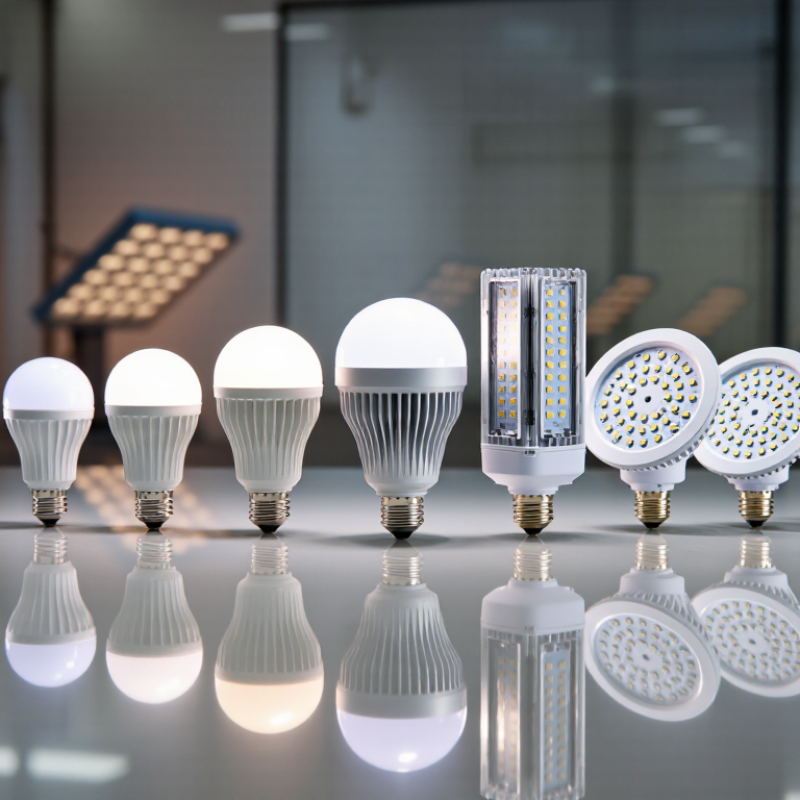
Low-power LED suppliers provide lighting components or finished products designed to deliver useful brightness with limited electrical consumption. Their scope includes chip manufacturers, module producers, fixture makers, and engineering partners. Some suppliers only sell standard components. Others develop custom boards, lenses, drivers, or complete lighting systems for signs, sensors, offices, and portable equipment.
“Low power” has no universal threshold. It depends on brightness, operating time, heat limits, and application requirements. A 3-watt module may suit a display but fail in a warehouse fixture. Reliable suppliers should provide lumen output, input voltage, power ratings, thermal data, and expected service life. In practical evaluations, I compare test reports with real operating conditions. Datasheets can look precise, yet installation quality often changes performance. That part is easy to underestimate.
Tips: Check power consumption at the intended brightness, not only at maximum output. Ask for sample testing, thermal measurements, and production consistency records. Review whether the supplier supports design changes, replacement parts, and technical communication across regions. A low purchase price may hide higher energy use or premature failure. I would also question unclear efficiency claims. Good sourcing requires evidence, not attractive numbers.
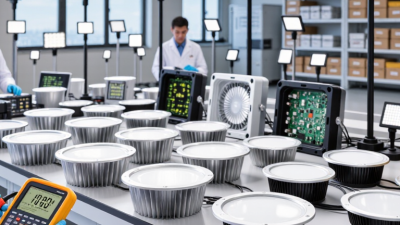
Selecting low-power LED suppliers requires more than comparing advertised wattage. A reliable evaluation starts with verified luminous efficacy, measured in lumens per watt, at the intended operating temperature. Ask for test reports from accredited laboratories, not only supplier-generated charts. Check power factor, total harmonic distortion, dimming performance, and standby consumption. These details affect real energy savings in offices, warehouses, and public facilities.
Thermal design deserves close attention. Inspect heat-sink materials, driver placement, airflow requirements, and performance after extended operation. Review LM-80 data and TM-21 projections, while remembering that laboratory estimates cannot perfectly predict every installation. Request production samples from different batches. Compare light output, color consistency, flicker, and electrical noise. A one-unit sample can mislead.
Supplier reliability also depends on traceability and service. Examine factory quality controls, component sourcing, warranty conditions, failure rates, and replacement procedures. Confirm certifications relevant to the destination market, including electrical safety and electromagnetic compatibility. Regional support matters when a driver fails during a winter installation or a large retrofit. Site audits and independent inspections add useful evidence, although they increase evaluation costs. I would score each supplier against identical criteria, but the weighting remains subjective. A technically excellent manufacturer may still be unsuitable if documentation is slow or minimum order quantities are excessive. Procurement teams should record these weaknesses instead of hiding them behind a polished ranking.
The leading ten suppliers differ in engineering focus, production scale, and testing depth. Supplier One develops low-current indicator LEDs for control panels. Supplier Two specializes in efficient bulbs for homes and small offices. Supplier Three produces compact modules for retail displays. Supplier Four focuses on outdoor fixtures with improved thermal control. Supplier Five supplies surface-mount LEDs for wearable devices. Supplier Six supports automotive lighting projects with strict reliability testing. Supplier Seven offers high-efficiency products for commercial buildings. Supplier Eight designs narrow-beam LEDs for sensors and instruments. Supplier Nine provides customized packages for smart lighting systems. Supplier Ten serves large-volume buyers with automated production lines. These profiles reflect practical market strengths, not simple sales rankings.
Technical evidence matters. Check efficacy ratings, operating current, thermal data, and test conditions. A low wattage figure alone can mislead.
Ask for aging results and production consistency records. I have seen attractive samples perform differently after continuous operation. That weakness deserves attention.
Tips: Compare lumen output at the same color temperature. Review warranty terms carefully. Request samples from different batches. Confirm dimming behavior before installation. Supplier claims need independent verification. Small tests prevent expensive mistakes.
Top 10 Low Power Consumption LED Suppliers Worldwide
Choosing among the top 10 low power consumption LED suppliers requires more than comparing wattage. A credible supplier should offer lamps, panels, floodlights, high-bay fixtures, streetlights, and customized modules. Product breadth matters when one project covers offices, warehouses, and outdoor roads. Check lumen output, efficacy, color rendering, beam angle, and driver quality. A 100-watt fixture is not efficient if it produces weak or uneven light. Thermal design also deserves attention.
Energy performance depends on the complete fixture, not only the LED chip. Look for tested lumen maintenance, stable drivers, low standby power, and clear operating temperatures. Suppliers with reliable photometric files make lighting calculations easier. Product documentation should include test methods, warranty conditions, and expected service life. Be careful with impressive claims. They can hide poor heat management or optimistic laboratory results. Real installations are less forgiving.
Global reach adds practical value. Regional warehouses can shorten delivery times, while technical teams can support commissioning and replacements. Suppliers serving several climates should explain performance in heat, humidity, dust, and cold conditions. Their products should meet applicable safety and performance standards in each target market. After-sales support is often overlooked. It should not be. One weakness in many supplier comparisons is the focus on initial price. Maintenance access, spare drivers, packaging quality, and installation training can influence total cost more than expected. No supplier is perfect, so buyers should request samples, review independent test data, and verify performance before placing large orders.
Comparative supplier-profile data based on commonly published LED lighting specifications, efficiency benchmarks, product categories, and international market coverage.
| Profile | Primary Product Range | Typical System Efficacy (lm/W) |
Typical Rated Life (hours) |
Available CCT Range (K) |
CRI Options | Energy-Saving Features | Typical Global Reach | Common Compliance Frameworks |
|---|---|---|---|---|---|---|---|---|
| Supplier Profile 01 | Commercial downlights, panels, troffers, and linear fixtures | 120–180 | 50,000–100,000 | 2700–6500 | 80–95+ | High-efficiency drivers, dimming, occupancy sensing, daylight harvesting | North America, Europe, Asia-Pacific, Middle East | IEC, CE, RoHS, EMC, safety certification |
| Supplier Profile 02 | Industrial high-bay, low-bay, and warehouse luminaires | 140–210 | 60,000–100,000 | 4000–6500 | 70–90 | Occupancy controls, constant-current drivers, thermal management, wide-beam optics | Global industrial and logistics markets | IEC, CE, RoHS, IP65/IP66, IK ratings |
| Supplier Profile 03 | Outdoor street, roadway, area, and tunnel lighting | 110–190 | 70,000–100,000 | 2700–5700 | 70–80+ | Adaptive dimming, photocells, remote monitoring, programmable schedules | Municipal, infrastructure, and transportation projects worldwide | IEC, CE, RoHS, IP66, surge protection standards |
| Supplier Profile 04 | Residential bulbs, tubes, spotlights, and decorative lamps | 80–140 | 15,000–50,000 | 2200–6500 | 80–95 | Low standby power, dimmable options, efficient electronic drivers | Retail and e-commerce channels across major regions | IEC, CE, RoHS, energy-label requirements |
| Supplier Profile 05 | Street furniture, bollards, floodlights, and landscape fixtures | 100–170 | 50,000–100,000 | 2700–5000 | 70–90 | Optical control, reduced-light output, timer control, weather-resistant housings | Europe, Asia-Pacific, North America, and emerging markets | IEC, CE, RoHS, IP65/IP66, corrosion protection |
| Supplier Profile 06 | Solar-powered streetlights and off-grid LED systems | 100–180 | 50,000–100,000 | 3000–6500 | 70–80+ | Solar charging, lithium battery storage, motion sensing, autonomous dimming | Asia, Africa, Latin America, island regions, and remote areas | IEC, CE, RoHS, IP65/IP66, battery safety standards |
| Supplier Profile 07 | High-output sports, stadium, and architectural floodlighting | 120–190 | 50,000–100,000 | 3000–6500 | 70–90+ | Instant on/off, scene control, precise beam optics, power-factor correction | International sports, entertainment, and façade projects | IEC, CE, RoHS, IP66, EMC, surge immunity |
| Supplier Profile 08 | Cleanroom, healthcare, laboratory, and specialist luminaires | 100–160 | 50,000–80,000 | 3000–6500 | 80–95+ | Low-glare optics, flicker control, sealed housings, precise dimming | Healthcare, pharmaceutical, research, and controlled environments globally | IEC, CE, RoHS, IP54–IP65, photobiological safety |
| Supplier Profile 09 | Retail, museum, hospitality, and premium display lighting | 85–150 | 40,000–70,000 | 2200–5000 | 90–98+ | High color fidelity, selectable beam angles, dimming, low-glare design | Retail, hospitality, cultural, and commercial markets worldwide | IEC, CE, RoHS, EMC, photobiological safety |
| Supplier Profile 10 | Connected smart-lighting systems, controls, sensors, and LED fixtures | 100–180 | 50,000–100,000 | 2700–6500 | 80–95+ | Presence detection, daylight response, scheduling, energy dashboards, remote commissioning | Smart buildings, campuses, offices, and public infrastructure worldwide | IEC, CE, RoHS, wireless standards, cybersecurity practices |
Note: Performance values are typical published ranges for the relevant LED product categories. Actual results vary according to LED package, driver efficiency, optical design, ambient temperature, operating current, controls, and certification requirements.
Comparing the top 10 low power consumption LED suppliers requires more than reading wattage claims. In practical sourcing projects, I first check delivered lumens, efficacy, beam angle, and driver efficiency. A 12-watt lamp may consume less power, yet produce poor usable light. That difference appears clearly in a warehouse aisle or office corridor.
Ask each supplier for IES or LDT files, test reports, thermal data, and samples from the same wattage range. Check performance after continuous operation at 35°C or higher. Review dimming compatibility, color consistency, rated lifetime, warranty terms, minimum order quantities, and lead times. Reliable suppliers explain testing methods instead of hiding behind broad marketing language. Their technical teams should answer specific questions about heat sinks, current stability, and lumen maintenance.
Cost comparison also needs a wider view. Include energy use, replacement frequency, installation labor, shipping, and disposal costs. One weakness in my earlier comparisons was overvaluing unit price. It caused avoidable maintenance work later. Supplier selection should also consider factory audit results, production traceability, sample consistency, and response speed. A supplier that corrects a failed sample quickly may be more dependable than one offering the lowest quotation. Ask for a pilot order before approving large volumes. Small trials reveal packaging damage, color shifts, and unexpected driver noise.
Representative industry benchmarks for common LED product segments. Higher efficacy indicates more light output per watt and generally lower energy consumption.
When selecting a low-power LED supplier, compare luminous efficacy, rated lifetime, color-rendering performance, thermal management, compliance certifications, warranty terms, production capacity, minimum order quantity, and lead time. The values shown are indicative market benchmarks based on commonly published technical ranges and should be verified against current supplier datasheets.