How to Grade Rugged Screens for Optimal Performance and Durability?
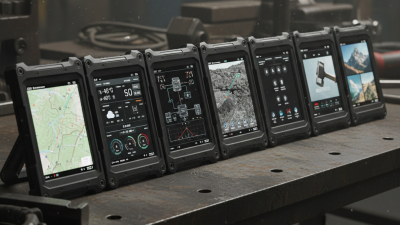
In today's digital landscape, the demand for durable technology is rising. Rugged screens are essential for various industries, including construction, military, and outdoor sports. These environments present unique challenges. As reports indicate, nearly 30% of devices fail due to screen damage in rugged settings. Hence, how to grade rugged screens becomes critical for manufacturers and users alike.
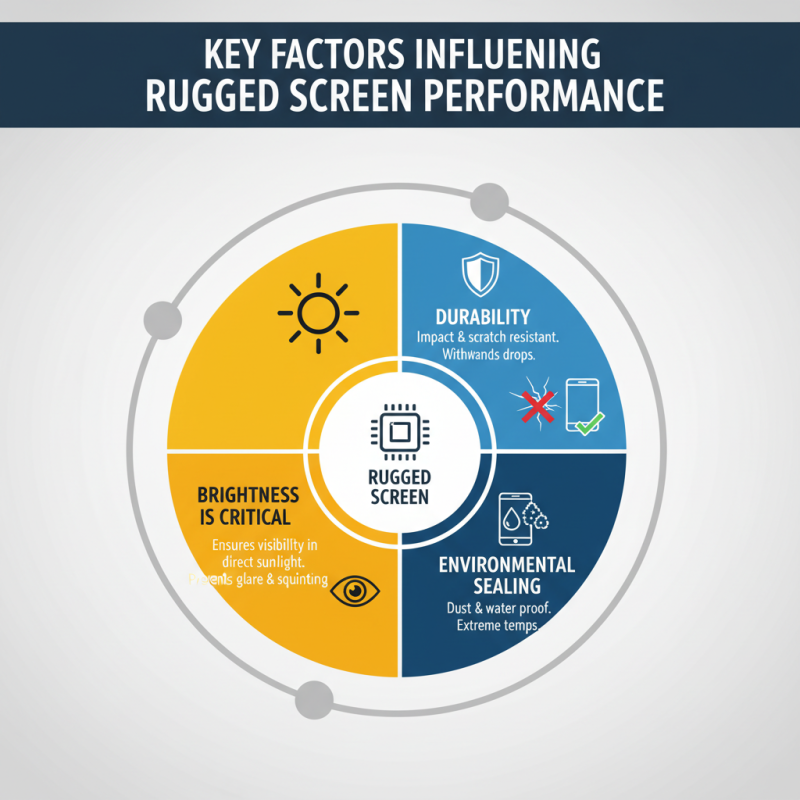
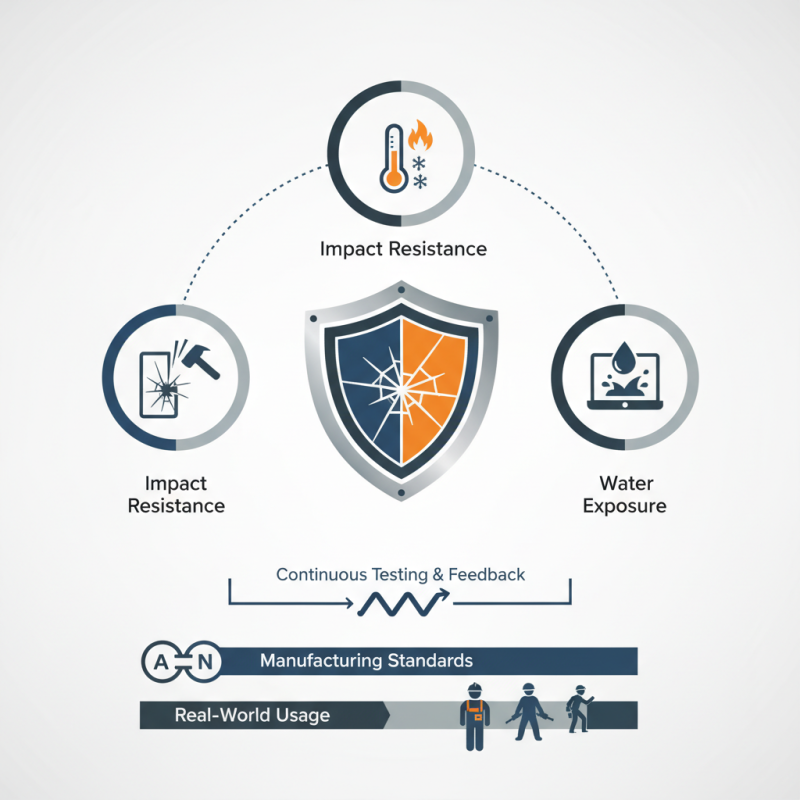
To effectively grade rugged screens, certain criteria must be established. According to the American National Standards Institute (ANSI), these screens are tested against factors like impact resistance, temperature extremes, and water exposure. A study by TechInsights revealed that screens meeting these standards have a significantly lower failure rate. However, inconsistencies in grading methods can lead to mistrust in the market.
Moreover, many manufacturers overlook real-world usage scenarios when assessing durability. Constantly evolving technologies also play a role in performance variables. Companies must recognize the importance of continuous testing and feedback. End-users should remain vigilant and knowledgeable about the products they depend on. This ensures not just performance, but also safety in demanding environments. Therefore, understanding how to grade rugged screens is a vital step toward optimal performance and durability.
Understanding Rugged Screen Specifications and Standards
When choosing rugged screens, understanding specifications is essential. These screens often undergo rigorous testing. Common metrics include resistance to impact, temperature, and moisture. Knowing how these tests are conducted adds to your expertise. Moreover, different standards exist globally, which can confuse users. Familiarity with these can enhance comprehension.
Consider the IP ratings, for instance. They indicate how well a screen resists dust and water. A screen with an IP68 rating can withstand submersion in water. However, this doesn't guarantee permanence. Regular exposure may still cause wear. Investigating how each rating relates to real-world usage is crucial.
Another important aspect is the material used for a rugged screen. High-quality polycarbonate is often preferred. It balances strength and weight effectively. Still, it’s important to remember that not all rugged screens use the same materials. We must reflect on our choices and understand the trade-offs involved. Evaluating durability alongside usability creates a more informed decision.
Methods for Testing Rugged Screen Durability
Testing rugged screen durability involves several essential methods. One effective approach is the drop test. This test simulates accidental falls from various heights. It’s crucial to assess how screens handle shocks. Screens should withstand impacts without cracking or losing functionality.
Another method is the scratch test. This evaluates the screen's resistance to abrasions from sharp objects. Using a range of materials can determine how well the screen copes with daily wear. A well-done scratch test gives insight into long-term durability.
**Tips:** Always perform tests in a controlled environment. Document every result carefully. Reliable data helps identify potential weaknesses. Relying solely on manufacturer claims may lead to oversight. Results from independent tests can provide a deeper understanding of durability. Remember, even the toughest screens can fail under specific conditions.
Testing Rugged Screen Durability
Analyzing Real-World Usage Scenarios for Rugged Screens
Rugged screens are critical in many work environments. Analyzing real-world usage scenarios reveals how these screens perform under pressure. Studies indicate that up to 60% of rugged devices suffer damage from drops and impacts. This statistic highlights the importance of understanding how rugged screens withstand real-world conditions.
In field studies, rugged screens face dirt, water, and extreme temperatures. Screen durability plays a vital role in minimizing downtime. For instance, devices exposed to high humidity showed a 30% increase in failure rates. This data underscores the need for careful evaluation of screen materials and designs.
Tips: Choose a rugged screen with a high IP rating. This ensures resistance to dust and water. Regular testing in real-world scenarios can help identify potential weaknesses. Additionally, consider the screen’s brightness in daylight to enhance usability outdoors. A 2023 report noted that visibility impacts user satisfaction by more than 25%. Monitoring these elements can lead to better selection and usage.
Best Practices for Selecting and Maintaining Rugged Screens
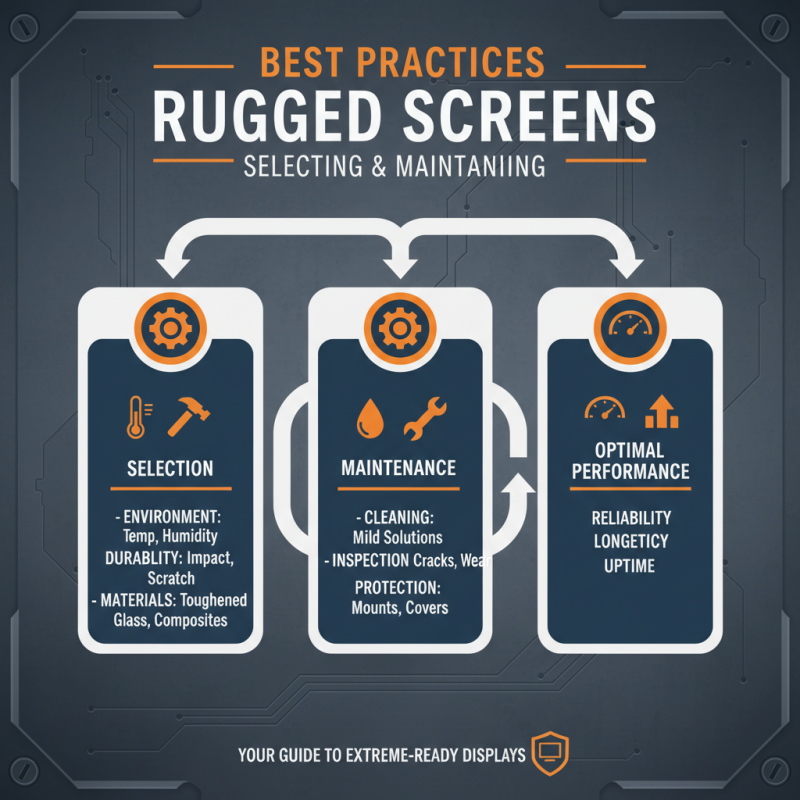
Selecting rugged screens for optimal performance requires careful consideration. The first step is understanding the environment where the screens will be used. Extreme temperatures and humidity can affect screen performance. Look for screens rated for such conditions. Additionally, consider the device’s intended use. Will it be subjected to heavy impacts or scratches? Choosing screens with tougher core materials can enhance durability.
Maintenance is equally important for rugged screens. Regular cleaning is essential. Dust and grime can degrade visibility and touch responsiveness. Use a soft cloth and appropriate cleaning solutions. Also, check for any cracks or defects regularly. Sometimes, minor wear can go unnoticed until it becomes a significant issue. Remaining vigilant can help prolong the life of rugged screens.
Incorporating these practices is not without challenges. Even with the best screens, users may overlook basic care. Training staff on proper handling can mitigate damage. Furthermore, seeking feedback from users can highlight unseen problems. Understanding that rugged does not mean indestructible is key. That awareness leads to better long-term performance and durability.

 +86-13662287276