Best Airport Display Screens in China for Global Buyers?
In the fast-evolving world of airports, the demand for high-quality Airport Display Screens is paramount. Experts emphasize the importance of these screens in enhancing passenger experience. "Effective display systems greatly influence traveler satisfaction," says Zhang Wei, a leading authority in airport technology. His perspective highlights the essential role of visuals.
As global buyers seek the best options, understanding the nuances of Airport Display Screens becomes crucial. The market is filled with choices, yet not all devices meet the high standards required. It's essential to evaluate resolution, brightness, and durability. These factors can significantly affect visibility and overall performance.
Despite advancements, some airports still face challenges in screen deployment. Issues like placement and content management often arise. Learning from these mistakes is vital for improvement. Investing in superior Airport Display Screens is not just a trend; it’s a necessity for modern aviation hubs.
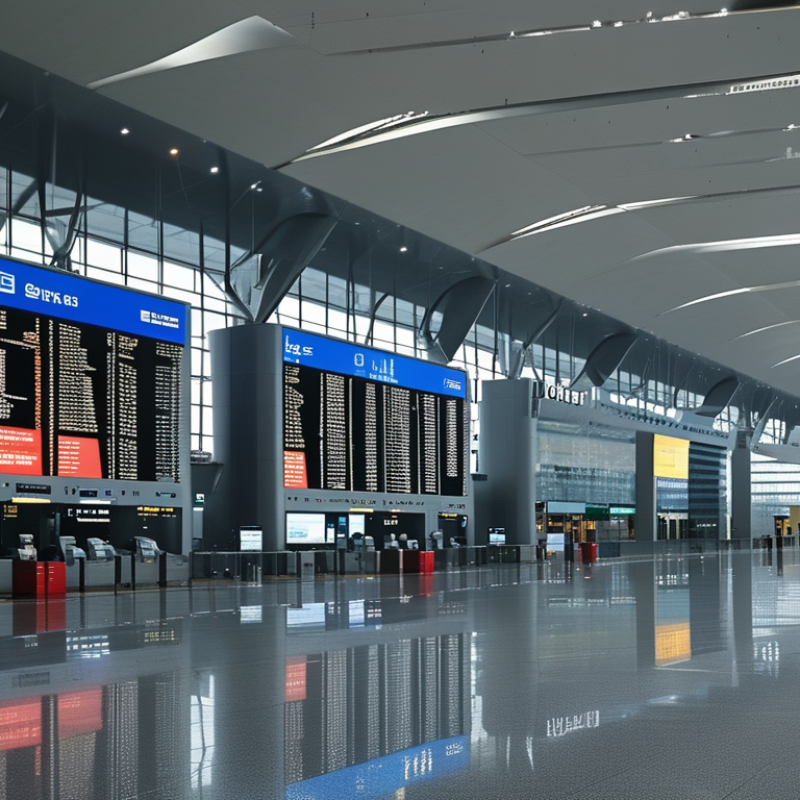
Best Airport Display Screens: An Overview of Technology and Trends
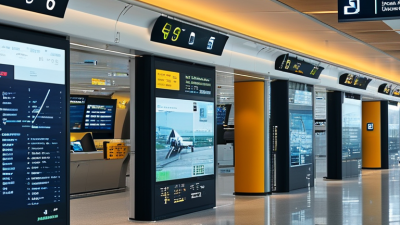
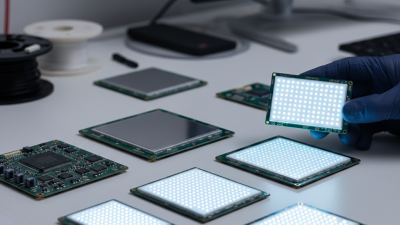
Airport display screens are evolving rapidly, driven by technological advancements. These screens now offer vibrant, high-resolution images, crucial for effective communication in busy airports. The latest technology includes LED and OLED displays that provide better visibility and contrast. They enhance passenger experience with real-time flight updates and engaging advertisements.
Trends indicate a shift towards interactive screens. Passengers seek information quickly and intuitively. Touchscreen technology is gaining popularity, allowing users to navigate through services easily. However, the effectiveness of this technology can vary in crowded environments. In some cases, touch responsiveness may lag, leading to frustration.
Another significant trend is the integration of AI. Smart display systems can analyze passenger behavior, delivering personalized content. Yet, these AI systems require robust data management. Without accurate data, the benefits may not materialize as expected. As the demand for advanced display solutions grows, continuous reflection on technology's effectiveness remains essential.
Best Airport Display Screens in China for Global Buyers
| Screen Size (inches) |
Resolution |
Brightness (nits) |
Technology Type |
Average Lifespan (hours) |
| 55 |
1920 x 1080 |
700 |
LED |
50000 |
| 75 |
3840 x 2160 |
800 |
LCD |
60000 |
| 98 |
3840 x 2160 |
1200 |
OLED |
30000 |
| 86 |
3840 x 2160 |
1000 |
MicroLED |
70000 |
| 65 |
1920 x 1080 |
600 |
Nano IPS |
50000 |
Leading Brands in China's Airport Display Screen Market: A Comparative Analysis
Navigating the landscape of airport display screens in China reveals a competitive market filled with innovation and challenges. Chinese manufacturers are known for their advanced technology, offering high-resolution displays that enhance passenger experience. These screens are increasingly capable of syncing with various flight systems, providing real-time updates. The importance of screen brightness and visibility in diverse lighting conditions cannot be overstated; travelers need clear information to make timely decisions.
However, quality varies significantly across brands. Some manufacturers focus on low cost and sacrifice durability, which can lead to frequent replacements. Frequent failures may disrupt airport operations. Nevertheless, certain leading brands have established a reputation for reliability. Their screens withstand the rigors of daily use and harsh environments. Even these brands struggle with evolving technology, as digital signage becomes smarter. Keeping up with software updates poses a constant challenge.
While there is significant competition, many companies lack transparency about their manufacturing processes. This can make it difficult for global buyers to assess their reliability. Quality assurance processes must be scrutinized. Potential buyers should research extensively and weigh various providers. The quest for the best airport display screen should balance innovation, cost, and long-term durability.
Key Features of High-Quality Airport Display Screens: What to Look For
When selecting airport display screens, understanding their key features is essential. High-quality screens offer vibrant displays and clarity. According to recent industry reports, over 70% of travelers notice digital signage upon arrival. This highlights the importance of sharp image quality.
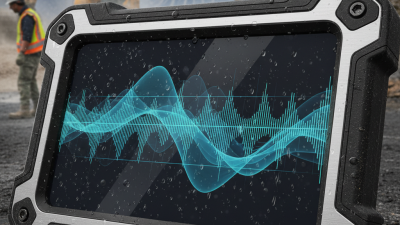
Another focal point is the brightness level of displays. Screens should be bright enough to be visible in varying light conditions. Data indicates that 1,500 nits or higher is ideal for outdoor settings. Additionally, durability is paramount. Airport display screens often face harsh weather. Choosing robust materials increases longevity and reliability.
Connectivity options are equally critical. Modern screens must support various inputs for seamless content updates. Statistics show that 80% of airports are moving towards cloud-based solutions. This transition allows for real-time content management. Yet, many facilities still struggle with outdated systems. This gap reveals a need for enhanced decision-making in technology upgrades, emphasizing the importance of both current features and future-proofing.
Market Growth Statistics: Demand for Display Screens in Chinese Airports
The demand for display screens in Chinese airports is experiencing rapid growth, driven by modernization and passenger expectations. According to a recent report by Markets and Markets, the global airport digital signage market is expected to reach USD 4.24 billion by 2025, with a significant portion coming from China. The country's investments in airport infrastructure have surged, resulting in increased deployment of advanced display technology.
One key aspect of this growth is the integration of real-time flight information systems. These systems enhance passenger experience by providing instant updates and improving overall airport navigation. Data from China's National Bureau of Statistics indicates that passenger traffic is projected to reach 1.5 billion by 2030. This surge underscores the necessity for efficient communication and wayfinding solutions within airports.
Moreover, a growing emphasis on advertising capabilities in airport displays is evident. Airports are now focusing on revenue generation through strategic digital advertising placements. As per a report by IHS Markit, airport advertising revenues are anticipated to grow at a compound annual growth rate (CAGR) of 11.1% from 2020 to 2025. However, challenges remain, such as integrating new technologies and ensuring content relevance. Balancing passenger needs with commercial interests presents a complex scenario for airport operators.
Best Airport Display Screens in China for Global Buyers
This chart illustrates the growth in demand for display screens in Chinese airports from 2019 to 2023, reflecting a significant increase in units sold. This trend indicates a booming market for airport display screens, attracting global buyers.
Future Innovations: The Role of Smart Technology in Airport Displays
Smart technology is transforming airport displays, enhancing communication and passenger experience. According to a recent industry report by IHS Markit, the digital signage market in transportation is expected to reach $4.1 billion by 2025. Airports are turning to interactive touchscreens and real-time data displays to improve efficiency. This shift improves navigation and reduces frustration for travelers.
Integration of AI in display systems is a key trend. AI can tailor content based on passenger demographics and behavior. Studies show that personalized information can increase engagement by 50%. However, there are challenges. Data privacy concerns and the need for robust security measures can hinder implementation. Many airports are still grappling with outdated technology, risking their competitive edge.
Sustainability is another consideration. Airports are exploring energy-efficient screens to reduce carbon footprints. Reports indicate a 30% energy savings when using modern LED displays. Yet, retrofitting older systems can be costly and complex. This situation presents a paradox: the need for innovation clashes with budget constraints faced by many operators. Balancing these factors is crucial for future improvements in airport displays.

 +86-13662287276