Top 10 Airport Display Screens in China What Makes Them Stand Out?
In the rapidly evolving world of airport technology, the Airport Display Screen is a crucial element in enhancing passenger experience. These screens serve multiple purposes in bustling terminals, from flight information to advertisements. With the increasing number of travelers, the effectiveness of these displays can significantly impact airport operations and customer satisfaction.
China, with its vast network of airports, has emerged as a leader in innovative display solutions. Each airport offers unique designs and functionalities that cater to specific needs. For instance, some screens utilize advanced LED technology, ensuring high visibility and energy efficiency. Others emphasize interactivity, enabling travelers to engage directly with the content.
However, not all Airport Display Screens are created equal. A few may struggle with delays or unclear information, leading to frustration among passengers. This inconsistency raises questions about the reliability and effectiveness of various systems. By exploring the top 10 airport display screens in China, we aim to highlight what sets them apart and the lessons that can be learned from their successes and shortcomings.
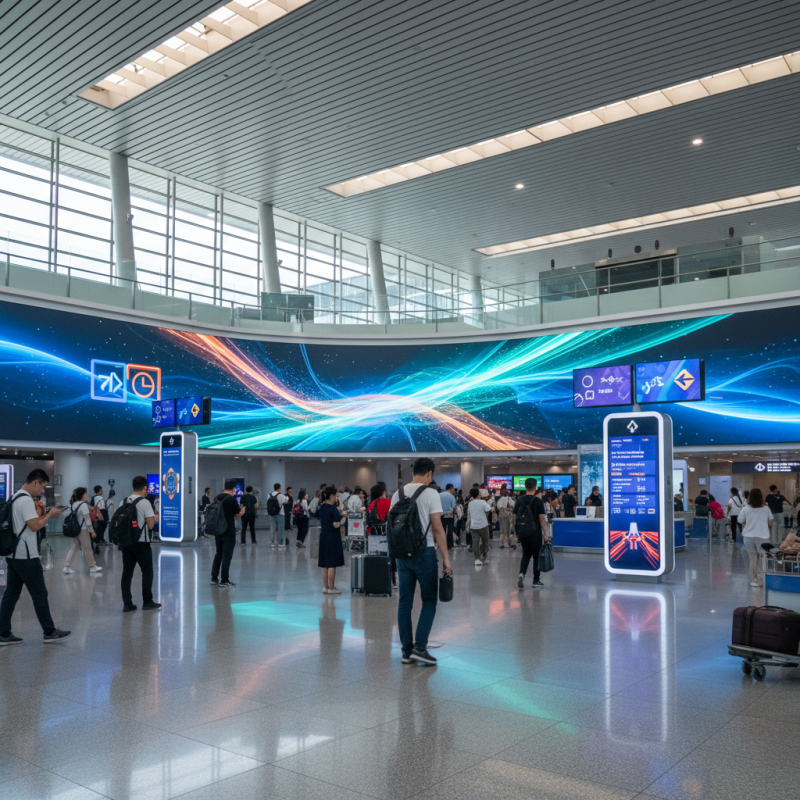
Overview of Airport Display Screen Technology in China
Airport display screens in China have evolved significantly due to advances in technology. High-definition screens now dominate terminals, enhancing the passenger experience. A report from Statista indicates that the market for digital display screens in public areas, including airports, is projected to grow by 10% annually. This growth reflects a shift toward interactive and informative content, making travel smoother.
These screens serve multiple purposes. They relay flight information, provide wayfinding assistance, and even showcase advertising. A study by IHS Markit notes that more than 70% of airports in China are now using OLED technology for better color accuracy and energy efficiency. However, the rapid adoption of this technology presents challenges. Some airports struggle with integration, often leading to inconsistent information displayed, which can frustrate travelers.
Passenger engagement is also an area that invites reflection. While screens attract attention, they can sometimes overwhelm with excessive information. Understanding how passengers engage with these screens is crucial. Research indicates that clear and concise information delivery improves user satisfaction. Balancing aesthetics and functionality remains a key consideration for airport operators and designers alike.
Criteria for Evaluating Display Screens at Major Airports
When evaluating display screens at major airports, several key criteria come into play. Clarity and brightness are crucial. Screens must be vivid and easily readable from a distance, even in bright environments. This ensures that important flight information is accessible to travelers.
Another important factor is the size of the screens. Larger displays help convey messages effectively, especially during peak travel times. However, size shouldn't compromise viewability. Screens must be positioned at ergonomic heights and angles to minimize strain on passengers’ necks.
Tips: Regular maintenance is essential for optimal performance. Dirty screens or outdated technology can detract from the overall experience. Additionally, consider the integration of multiple languages. Airports are melting pots of cultures, and multilingual displays can significantly enhance user experience.
Lastly, the screen's response time is worth noting. Delays in displaying information can lead to frustration and confusion among travelers. Rapid updates create a sense of reliability. A mix of dynamic content, such as digital ads or weather updates, can also engage passengers. Ensuring these elements work harmoniously is vital for any leading airport display screen.
Top 10 Airport Display Screens in China
Top 10 Airport Display Screens: Features and Highlights
In the bustling environment of airports, display screens serve critical roles. They guide passengers, provide information, and enhance the overall travel experience. What sets some screens apart in Chinese airports? The answer lies in their features and highlights.
One standout aspect is the clarity of the screens. High-resolution displays ensure that information is sharp and easy to read, even from a distance. Brightness levels are optimized to combat sunlight glare, making announcements legible in any lighting. Some airports have adopted interactive kiosks. These allow travelers to navigate terminal maps or check flight statuses effortlessly. The touch response is quick, adding convenience.
Connectivity also plays a vital role. Many displays are linked to real-time data feeds. This ensures that viewers receive the latest updates on flight schedules and gate changes instantly. However, technology isn’t always foolproof. Delays in updates can frustrate travelers. Moreover, while many screens are accessible in multiple languages, inconsistencies can lead to confusion. Overall, the blend of clarity, interactivity, and connectivity makes these airport display screens essential, but they also reveal areas for improvement.
Top 10 Airport Display Screens in China What Makes Them Stand Out?
| Rank |
Screen Size |
Resolution |
Technology |
Unique Features |
| 1 |
75 inches |
4K UHD |
LCD |
Touchscreen capability |
| 2 |
100 inches |
8K UHD |
OLED |
High color accuracy |
| 3 |
55 inches |
Full HD |
LED |
Energy efficient |
| 4 |
65 inches |
4K UHD |
LED |
Multi-screen capability |
| 5 |
50 inches |
HD |
LCD |
Lightweight design |
| 6 |
85 inches |
4K UHD |
LED |
Interactive features |
| 7 |
90 inches |
4K UHD |
OLED |
Ultra-thin panel |
| 8 |
77 inches |
4K UHD |
LED |
High brightness features |
| 9 |
60 inches |
Full HD |
LCD |
Networking capability |
| 10 |
42 inches |
HD |
LED |
Cost-effective |
Comparison of User Experience Across Different Airports
Airport display screens play a critical role in enhancing user experience. Each airport in China showcases unique features in its displays, catering to the needs of travelers. For example, some screens use vibrant colors and large fonts to ensure information is easily digestible. Meanwhile, others prioritize real-time updates, reflecting a commitment to keeping passengers informed.
User experience varies significantly across different airports. Some travelers express frustration at cluttered displays that make it hard to find flight information. In contrast, well-organized content can ease stress during travel. Effective use of multimedia, like animations, also captures attention and provides necessary updates. Nevertheless, the visuals must remain relevant and not distracting. This balance can be challenging to achieve.
Quality control is essential for maintaining reliability. Regular maintenance of screens helps prevent technical issues that can disrupt communication. Airports must also consider diverse passenger backgrounds. Language barriers can hinder effective information sharing. Ultimately, the goal is to create an airport experience that feels seamless and supportive. Yet, there’s always room for improvement to ensure every traveler feels informed and valued.
Future Trends in Airport Display Technology in China
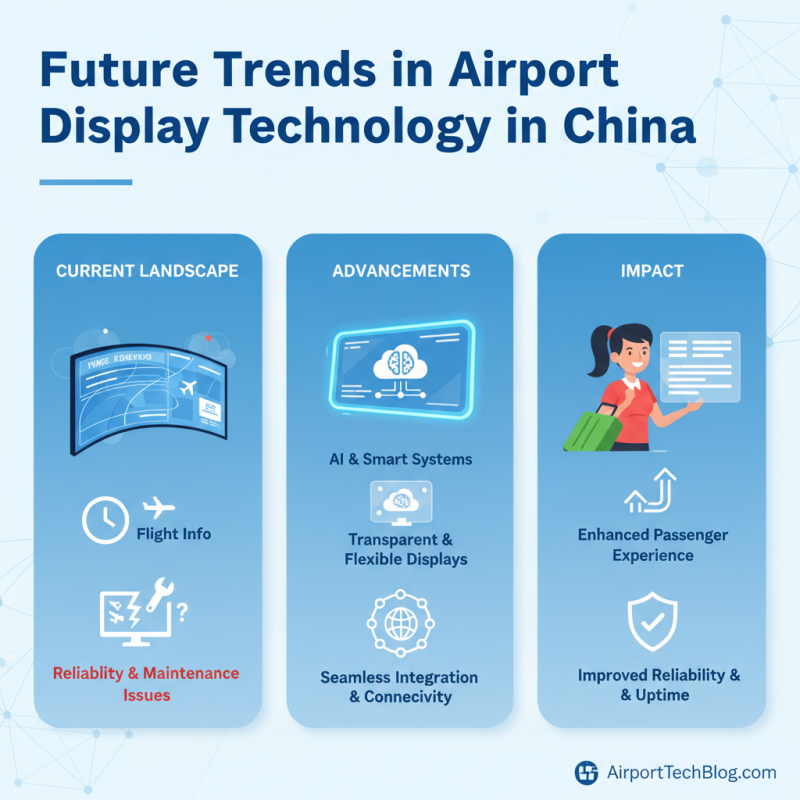
In recent years, the landscape of airport display technology in China has evolved rapidly. Screens now offer high-resolution imagery and vibrant colors. They facilitate seamless navigation for passengers, showcasing flight information efficiently. Yet, despite these advancements, issues of reliability and maintenance persist. There are times when screens fail, leading to confusion among travelers.
Looking ahead, trends suggest even more integration of smart technologies. Innovations like AI and big data are becoming essential in optimizing displays. They can analyze passenger flows and adjust information dynamically. However, this brings challenges, such as ensuring data privacy and security. Many airports are grappling with these issues, highlighting a need for better policies.
Sustainability is another critical consideration. Eco-friendly screens are on the rise. These can reduce energy consumption significantly. Yet, the initial investment may deter some airports. Balancing costs with benefits is complex. Increased collaboration between technology providers and airport authorities is vital for overcoming these hurdles. Embracing these changes promises to enhance the traveler experience further.

 +86-13662287276