What are Glove-Compatible Touchscreens and How Do They Work?
In the ever-evolving world of technology, Glove-Compatible Touchscreens emerge as a vital innovation. These screens enable users to interact with devices while wearing gloves, bridging the gap between functionality and convenience. It’s not just about the technology itself; it’s about understanding the user experience.
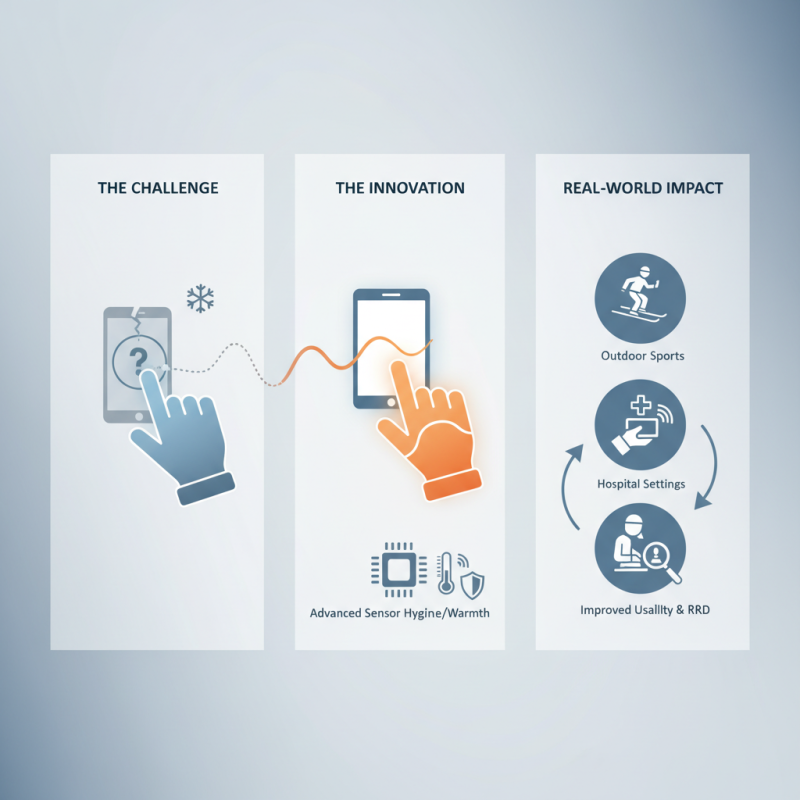
Imagine a harsh winter, where wearing gloves feels essential. Users still want to browse, send messages, or navigate apps. Here, Glove-Compatible Touchscreens show their value. They utilize advanced sensor technology, allowing touch inputs without direct skin contact. This capability is crucial in various fields, from outdoor sports to hospital settings, where hygiene and warmth matter.
Yet, challenges exist. Not all glove materials work seamlessly with these screens. Users often face sensitivity issues. It reveals a need for ongoing research and development. Companies strive to improve compatibility and responsiveness. Identifying the best materials could make a significant difference in everyday usability. Glove-Compatible Touchscreens provide solutions, but the technology must adapt to real-world conditions to achieve perfection.
What Are Glove-Compatible Touchscreens?
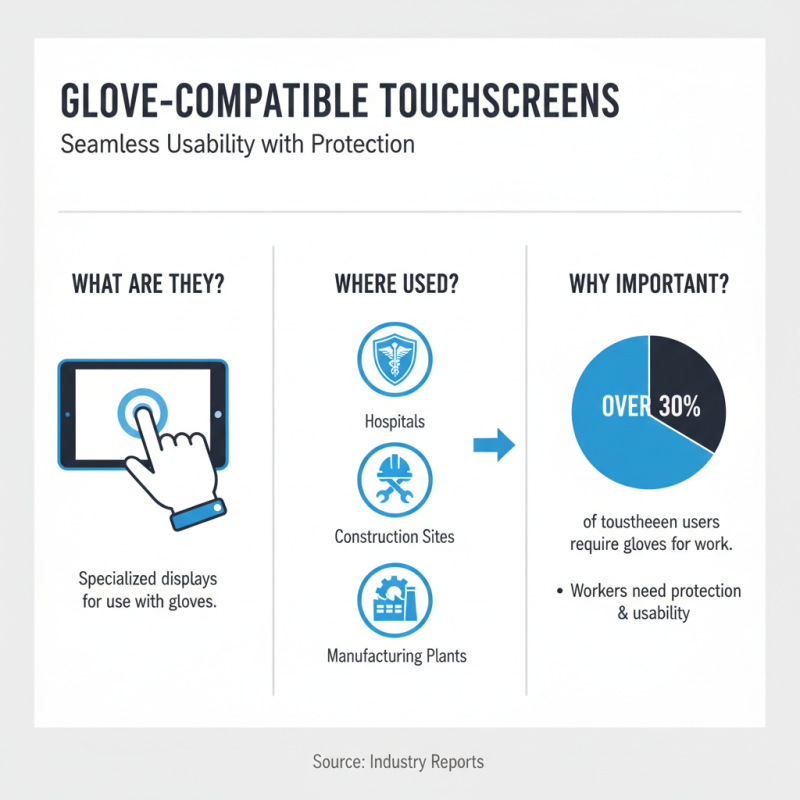
Glove-compatible touchscreens are specialized display technologies designed to work seamlessly with gloves. These screens are essential in environments like hospitals, outdoor construction sites, and manufacturing plants. Many workers need protection without sacrificing usability. Reports indicate that over 30% of touchscreen users require gloves for their work, highlighting the significance of this technology.
These touchscreens utilize advanced capacitive sensing technology. Unlike standard capacitive screens, which rely on the electrical conductivity of human skin, glove-compatible screens can detect a wider range of materials. This involves using a more intricate grid of sensors or a modified frequency system. Research shows that the effectiveness of these screens can decrease with very thick gloves. Companies strive to find a balance between sensitivity and accuracy.
Consumer feedback is crucial for progress in this field. Users often report mixed experiences, especially with colder or thicker gloves. This shows the need for continuous improvement. Industry professionals advocate for more rigorous testing in diverse glove scenarios. This ensures the technology not only meets standards but truly enhances user experience. The journey for perfect glove compatibility is ongoing, and the challenges faced are significant.
How Do Glove-Compatible Touchscreens Function?
Glove-compatible touchscreens represent a significant advancement in user interface technology. These screens are designed to be responsive even when users wear gloves, a feature essential for various industries, particularly in cold weather environments. According to a report by Statista, the demand for such technology in sectors like healthcare and industrial applications is expected to grow by over 20% in the next five years.
The functionality of glove-compatible touchscreens hinges on several technologies. Capacitive touchscreens typically rely on the electrical properties of the human finger to register input. However, these screens are often unresponsive to gloved hands. To overcome this, advanced capacitive technologies use algorithms that detect larger capacitance changes from gloved fingers. This enables smoother interaction, even with thicker materials. Research from the IEEE has shown that proper tuning of these algorithms can improve responsiveness by nearly 30% in varied conditions.
Despite these advancements, challenges remain. The effectiveness of glove-compatible touchscreens can vary greatly depending on the glove material. For instance, thicker gloves may still pose issues. Also, not all touchscreens are created equal; some may limit functionality under certain conditions. Thus, ongoing research is crucial to enhance their performance in real-world scenarios. Understanding these nuances ensures better design and usability in environments where traditional touchscreens fall short.
Types of Technologies Used in Glove-Compatible Touchscreens
Glove-compatible touchscreens are designed to function effectively while the user is wearing gloves. These touchscreens employ several technologies to detect touch accurately. Common technologies include capacitive, resistive, and infrared systems. Each has unique advantages and challenges regarding sensitivity and responsiveness.
Capacitive touchscreens work by sensing changes in the electrical field. They are highly responsive, even to gloved hands, making them popular in various industries. In contrast, resistive touchscreens rely on physical pressure, which can lead to less precision when wearing thicker gloves. Infrared touchscreens, on the other hand, use light beams to detect touch. This technology is less affected by glove material but may struggle in bright outdoor environments.
Tip: When choosing gloves for touchscreen use, opt for those labeled as touchscreen-enabled. They often contain conductive materials that enhance responsiveness.
Recent industry reports show that the global market for glove-compatible touchscreens is expanding rapidly. It is projected to reach over $2 billion by 2026. However, challenges remain. Many users report inconsistent performance, especially with thicker gloves. Continuous innovation in materials and technology is essential to address these issues effectively.
Tip: Always test your gloves on a touchscreen before purchasing. Not all gloves labeled as touchscreen-compatible perform equally.
Glove-Compatible Touchscreens Technology Usage
This chart illustrates the different types of technologies used in glove-compatible touchscreens, showcasing their respective usage percentages. Capacitive touchscreens dominate the market, followed by resistive, optical, and infrared technologies.
Applications of Glove-Compatible Touchscreen Technology
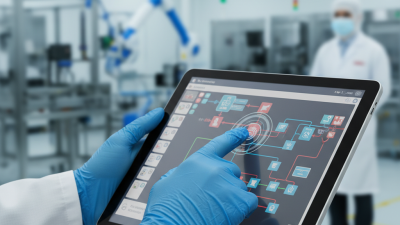
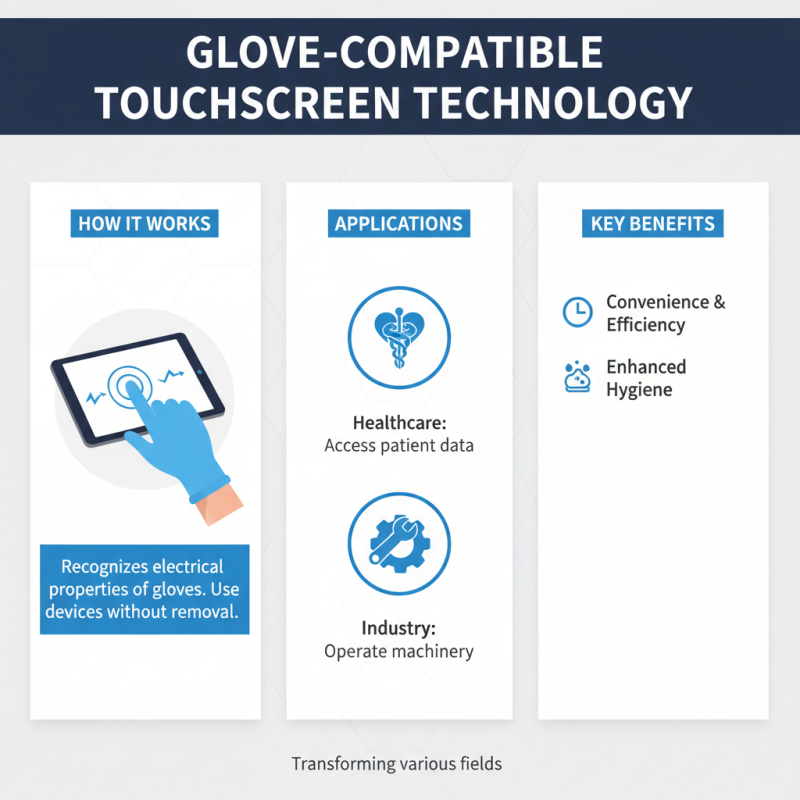
Glove-compatible touchscreen technology is transforming various fields. These touchscreens work by recognizing the unique electrical properties of gloves. This allows users to operate devices without removing their gloves. In healthcare settings, doctors can easily access patient information, even while wearing gloves. This feature enhances not just convenience but also hygiene.
In harsh environments, such as construction sites, workers often wear gloves. They need devices that can work in these conditions. Glove-compatible touchscreens enable quick communication and data entry. This increases efficiency and safety on job sites. Furthermore, in cold climates, touchscreen devices allow individuals to stay warm while interacting with their devices. Yet, there's room for improvement. Sometimes, these screens can misinterpret touches with thick gloves.
In the field of retail, hands-free transactions are becoming vital. Glove-compatible screens allow customers to browse and purchase without compromising safety. However, not all gloves function well with these screens. Testing different glove types is crucial for optimal use. As technology evolves, more reliable solutions may arise. Balancing performance and usability remains a challenge. The potential for this technology is immense, yet continuous enhancement is necessary for widespread adoption.
Advantages and Limitations of Glove-Compatible Touchscreens
Glove-compatible touchscreens have gained traction in various industrial and consumer sectors. These screens work through advanced capacitive technology, allowing users to interact while wearing gloves. In environments like healthcare and construction, touchscreens enable quick access to vital information, enhancing productivity.
One significant advantage is their usability in cold climates. According to a 2021 report by Statista, the global market for glove-compatible touch technology is projected to grow by 15% annually. This functionality reduces downtime in critical situations. However, touch sensitivity can vary with different glove materials, occasionally resulting in misinterpretations of gestures.
Tips: Consider using thinner gloves for optimal touchscreen accuracy. Testing various glove types can improve user experience. Some users may find that specific touchscreen surfaces work better with certain glove materials. Engaging with feedback on touch accuracy can enhance the technology further.
The limitations of glove-compatible touchscreens must not be overlooked. While they serve crucial roles, their functionality can diminish in wet conditions. Users should actively monitor how environmental factors impact device performance. An awareness of these nuances helps in selecting the right touchscreen technology for particular applications.

 +86-13662287276