+86-13662287276

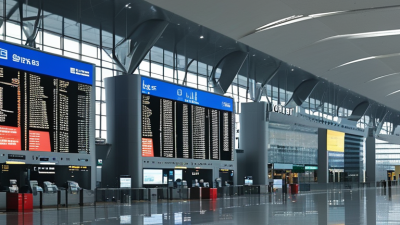
Choosing the right Airport Display Screen supplier requires more than comparing resolution, price, and screen size. Airports operate under pressure, with thousands of passengers reading flight information while moving through noisy terminals. A delayed refresh or weak viewing angle can create confusion near a crowded boarding gate.
This guide examines leading suppliers worldwide through practical procurement criteria. These include display brightness, viewing distance, operating temperature, service coverage, software compatibility, and maintenance response. It also considers installation experience, because a screen must fit existing structures, power systems, and passenger-flow plans. A bright 4K panel may look excellent in a showroom, yet perform poorly under direct sunlight beside large glass windows.
Reliability matters most.
Airport operators should review warranty terms, spare-part availability, cybersecurity controls, and long-term product support. They should also request evidence from comparable transport projects, not only polished product brochures. A missed gate change can affect passengers, airline staff, and connection schedules within minutes. No comparison is perfect. Supplier performance may vary by region, integration partner, and local technical support. That limitation deserves attention.
The following overview presents major Airport Display Screen suppliers and the strengths they may offer. It aims to help airport owners, system integrators, and procurement teams ask sharper questions. The strongest choice is not always the cheapest or most advanced. It is the supplier that delivers clear information, stable performance, responsive support, and measurable value throughout the screen’s working life.
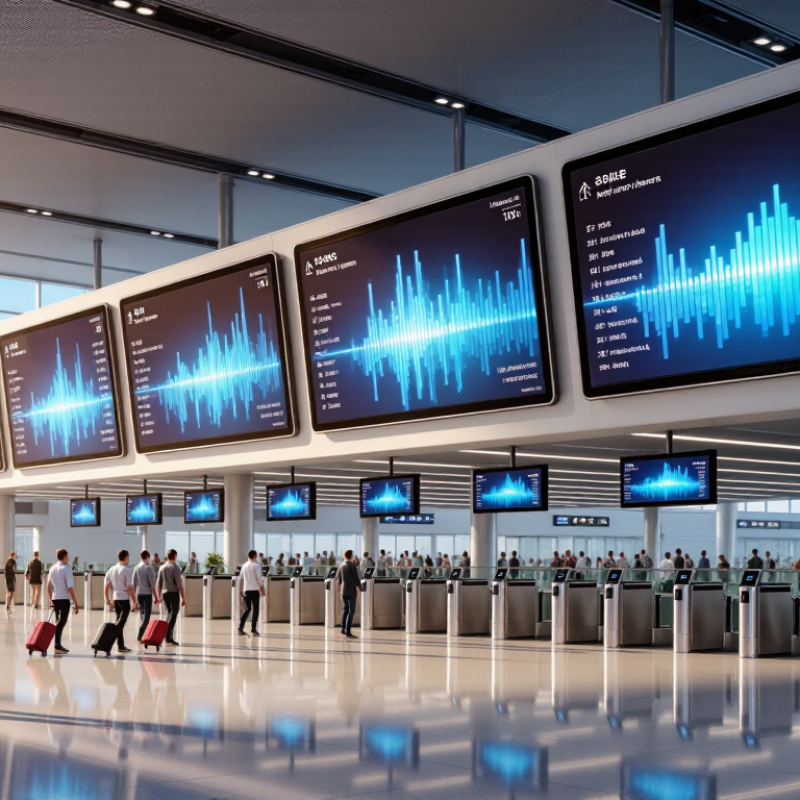
Airport display screens are operational tools, not oversized televisions. They show flight numbers, gates, boarding times, baggage belts, security guidance, and emergency instructions. In a busy terminal, a traveler may read one screen while pulling a suitcase and listening for an announcement. Clarity matters immediately. A wrong gate update can create congestion, missed connections, and unnecessary stress. Every second counts.
Reliable screens combine high brightness, wide viewing angles, accurate color, and stable network control. They must remain readable under strong sunlight, dim evening conditions, and changing indoor reflections. Airport buyers should examine operating temperature, service access, spare-part planning, and software compatibility. These details reveal supplier competence better than a polished demonstration. Installation experience also matters. Technicians need to coordinate with terminal structures, power systems, mounting limits, and strict maintenance windows. Small gaps become expensive.
Worldwide suppliers differ in manufacturing depth, integration skills, response time, and local support. A capable supplier documents testing, cybersecurity practices, update procedures, and failure recovery before deployment. Operators should request realistic trials, including glare, delayed data, and partial network loss. No display system is perfect. That is worth admitting. A screen may be bright yet poorly positioned, or technically advanced yet confusing to older passengers. Feedback from passengers, airline staff, and accessibility teams can expose these weaknesses. Selecting equipment only by price often shifts costs into repairs, training, and passenger disruption. Performance must remain dependable at 5 a.m., during peak crowds, and when conditions are less than ideal.
Top Airport Display Screen Suppliers Worldwide
Leading airport display screen suppliers are judged by reliability, visibility, and integration. A bright panel alone is not enough. Screens should deliver clear flight information under direct sunlight, smoke-tinted glass, and crowded viewing angles. Many airport operators specify 700 to 2,500 nits for different indoor and outdoor zones. They also expect 24/7 operation, automatic brightness control, and thermal protection.
Passenger processing is becoming more digital. IATA’s 2024 Global Passenger Survey reported that about 70% of travelers were willing to use biometric identification at airports. This trend increases demand for displays that connect smoothly with flight information systems, security platforms, mobile applications, and accessibility tools. Leading suppliers should support open communication protocols, multilingual content, high-contrast modes, and audible information links. SITA’s 2024 Air Transport IT Insights also highlights continued airport investment in automation and passenger-processing technology.
Maintenance separates dependable suppliers from attractive proposals. Buyers should examine service response times, spare-panel availability, remote diagnostics, and cybersecurity controls. A failed display near a boarding gate creates confusion within minutes. Redundant power and network paths reduce that risk. Yet redundancy raises energy use and installation costs. Energy-saving LED systems help, but their real performance depends on scheduling and calibration. No supplier gets every detail right. Airport teams should test displays during peak congestion, not only in a quiet showroom. Reliability claims need evidence from operating sites, maintenance records, and independent testing.
This industry benchmark highlights the key capabilities commonly required in airport display projects. High scores indicate greater operational importance: continuous availability, clear visibility, real-time flight information, centralized content control, and integration with airport systems are critical for passenger communication.
Top Airport Display Screen Suppliers Worldwide
Airport display screens are selected by function, not appearance alone. Flight Information Display Systems (FIDS) show departures, arrivals, gates, delays, and baggage details. Large LED video walls support terminal announcements and emergency messaging, while LCD gate screens present boarding times and aircraft changes. Baggage claim displays need high contrast and readable characters from a distance. Small wayfinding screens help passengers locate security, toilets, lounges, and transport areas. Keep it practical.
ACI World’s 2024 traffic outlook recorded about 8.5 billion passenger journeys in 2023. This scale demands reliable screens with centralized content control and strong visibility. SITA’s 2024 Passenger IT Insights also reported widespread smartphone use for airport services, yet physical displays remain essential when phones lose signal or batteries fail. A screen still has work to do.
In busy terminals, LED displays suit long viewing distances and changing layouts. LCD panels often work better at gates and baggage belts, where detailed text matters. E-paper can reduce power use in quieter areas, although refresh speed may limit urgent updates. In operational reviews, glare, viewing angles, heat, and cleaning routines often matter more than resolution. I have seen bright screens fail in sunlight. Redundancy, remote monitoring, and clear multilingual typography should guide supplier evaluation. Mistakes happen, especially during irregular operations, so update accuracy deserves equal attention.
| Display Screen Type | Typical Airport Location | Main Use | Typical Information or Content | Common Screen Format | Key Performance Requirements | Recommended Supplier Capability |
|---|---|---|---|---|---|---|
| Flight Information Display System (FIDS) | Terminal halls, check-in areas, security zones, and concourses | Provide real-time flight information to passengers and airport staff | Flight number, destination, airline, scheduled time, estimated time, gate, boarding status, delays, and cancellations | Landscape LCD or LED video wall, often arranged in multiple rows | High uptime, clear text rendering, centralized content control, automatic data integration, and 24/7 operation | Reliable commercial-grade panels, redundant control systems, aviation data integration, and remote monitoring |
| Gate Information Display | Boarding gates and gate waiting areas | Show detailed boarding and gate-specific information | Destination, flight number, boarding group, gate changes, boarding time, final call, and aircraft information | Single landscape display, portrait display, or compact dual-sided unit | Fast refresh rate, high readability at several meters, wide viewing angle, and flexible mounting options | Modular screen sizes, low-maintenance front access, durable enclosures, and integration with gate management systems |
| Baggage Claim Display | Baggage reclaim halls and carousel areas | Direct arriving passengers to the correct baggage carousel | Flight number, origin, carousel number, baggage status, and special handling messages | Wide landscape LCD, LED display, or overhead strip display | Strong contrast, high brightness, simple layouts, long operating life, and resistance to dust and vibration | Robust commercial displays, easy servicing, anti-glare surfaces, and compatibility with baggage handling data |
| Wayfinding and Directory Display | Passenger terminals, transfer areas, parking facilities, and transport links | Help passengers navigate airport facilities | Maps, directional arrows, terminal services, restrooms, lounges, gates, exits, and transport connections | Interactive kiosk, portrait display, landscape touchscreen, or digital signage column | Intuitive interface, multilingual support, accessible design, durable touch surfaces, and frequent content updates | Touchscreen integration, accessibility features, location-aware software, and content management support |
| Digital Signage Display | Retail zones, food courts, lounges, arrivals, and departures areas | Deliver commercial, informational, and promotional content | Advertisements, menus, airport announcements, service promotions, travel information, and public messages | Single LCD, large-format LED, video wall, or networked digital signage array | High brightness, strong color performance, scheduled playback, remote management, and energy efficiency | Scalable signage networks, content management software, media players, and commercial warranty coverage |
| LED Video Wall | Large terminal atriums, central halls, advertising zones, and exterior façades | Display highly visible information, media, branding-free public messages, and advertising content | Large-format video, emergency announcements, airport events, transportation updates, and dynamic visual content | Indoor fine-pitch LED or outdoor high-brightness LED modules | High brightness, seamless appearance, wide viewing angles, precise color calibration, and easy module replacement | Pixel-pitch selection, thermal management, calibration services, structural engineering, and maintenance access |
| Outdoor Airport Display | Terminal entrances, curbside areas, parking entrances, and transport zones | Provide information that remains readable in changing outdoor conditions | Drop-off instructions, parking availability, shuttle information, traffic guidance, and terminal directions | Weatherproof LED, high-brightness LCD, or protected digital signage enclosure | Sunlight readability, weather resistance, temperature control, vandal resistance, and automatic brightness adjustment | Outdoor-rated cabinets, ingress protection, thermal control, corrosion resistance, and remote diagnostics |
| Security and Queue Management Display | Security checkpoints, customs areas, immigration halls, and queuing zones | Organize passenger flows and communicate checkpoint instructions | Queue directions, preparation instructions, lane status, estimated waiting times, and security notices | Ceiling-mounted LCD, wall-mounted display, LED matrix, or overhead lane indicator | Instant updates, clear symbols, high legibility, synchronized displays, and continuous operation | Real-time data integration, centralized control, multilingual templates, and high-availability hardware |
| Emergency and Public Safety Display | All passenger-facing areas, evacuation routes, transport halls, and emergency assembly zones | Broadcast urgent instructions and safety information | Evacuation directions, emergency alerts, restricted-area notices, severe weather messages, and public safety instructions | LCD, LED, electronic message board, or integrated visual alert system | Priority message override, fail-safe operation, high visibility, backup power compatibility, and network redundancy | Emergency override functions, cybersecurity controls, redundant communication paths, and integration with public address systems |
| Self-Service Check-In and Bag-Drop Screen | Check-in halls and automated baggage drop areas | Guide passengers through check-in, document verification, and baggage processes | Step-by-step instructions, document prompts, baggage labels, payment options, and error messages | Portrait touchscreen, integrated terminal display, or operator-assisted kiosk screen | Responsive touch performance, privacy protection, accessibility, secure connectivity, and easy cleaning | Integrated kiosk hardware, secure peripherals, antimicrobial surfaces, software compatibility, and field service support |
| Transportation and Parking Display | Parking garages, rail stations, bus stops, taxi zones, and rental transport areas | Connect passengers with ground transportation services | Bus and train departures, shuttle locations, taxi instructions, parking availability, and ride service information | Outdoor LED, LCD information board, electronic timetable, or parking guidance display | Outdoor readability, real-time data updates, weather protection, clear typography, and low operating cost | Transport data integration, outdoor enclosure design, remote monitoring, and flexible communication interfaces |
| Staff Operations Display | Operations control rooms, ramp offices, baggage facilities, and staff-only areas | Support airport operations, resource coordination, and situational awareness | Aircraft turnaround status, stand allocation, baggage status, operational alerts, staffing data, and maintenance notices | Multi-screen LCD wall, professional monitor array, or control-room video wall | Accurate data visualization, low latency, continuous operation, secure network access, and ergonomic viewing | Professional control-room displays, redundant inputs, centralized monitoring, and secure system integration |
Top Airport Display Screen Suppliers Worldwide
Evaluating global airport display screen suppliers requires more than comparing pixel counts. The Airport Council International’s 2024 forecast expects global passenger traffic to reach about 9.5 billion travelers. That scale makes reliability, service coverage, and replacement speed commercially important. Ask suppliers for documented uptime, failure rates, and repair response times. A bright screen means little when a terminal becomes humid, crowded, or difficult to access.
Passenger information also depends on connected systems. SITA’s 2024 Passenger IT Insights reports that 70% of travelers value real-time flight updates. Suppliers should therefore demonstrate stable connections with flight information, baggage, and emergency communication platforms. Request live API examples, cybersecurity controls, multilingual support, and clear ownership of software updates. Check whether the system can display gate changes within seconds, not merely during a laboratory test.
Physical testing deserves equal attention. Review brightness under direct sunlight, viewing distance, glare control, operating temperature, and accessibility height. Ask for independent testing records, relevant electrical certifications, and evidence from airports with similar passenger volumes. A five-year maintenance plan should list spare-part availability in each operating region. Do not accept vague global support claims. They often sound impressive.
A factory visit can reveal more than a polished presentation. Inspect burn-in testing and packaging protection. Also, speak with airport technicians, not only sales teams. No evaluation is perfect. Supplier financial stability, local installation skills, and data-handling practices can still be underestimated when procurement focuses only on initial price.
Top Airport Display Screen Suppliers Worldwide
Emerging Trends in Airport Display Technology
Airport display technology is moving beyond simple flight information. Modern screens now combine high brightness, wider viewing angles, and faster content updates. These improvements help passengers read gate changes under strong daylight or from crowded terminals. Many airports are also adopting modular LED walls and energy-aware display systems. Such designs reduce maintenance time and support flexible layouts during renovations.
Artificial intelligence is influencing content management, but human review remains essential. Automated systems can detect delays, adjust languages, and prioritize urgent notices. Yet unclear data can produce confusing messages. That risk deserves more attention. Touchless interaction, mobile-linked displays, and accessibility features are also expanding. Larger text, stronger contrast, and audio support can assist travelers with different needs. Suppliers should demonstrate real testing results, service response times, and cybersecurity practices before installation.
Tips: Compare screen brightness in realistic lighting, not only in a dark showroom. Ask for maintenance records and pixel-failure policies. Check whether local teams can replace modules quickly. Pilot one concourse first. Observe passenger behavior. Some impressive features may create distraction instead of clarity. Also review power consumption, viewing distance, and emergency communication compatibility. A reliable display is not merely bright; it must remain readable, accurate, and calm during stressful travel moments.