2026 Top High-Speed Response LCDs Revolutionizing Display Technology?
As the digital landscape evolves, the emergence of High-Speed Response LCDs marks a significant shift in display technology. These cutting-edge screens promise fast refresh rates and superior image clarity. Users can expect an enhanced viewing experience that exceeds current standards. With applications in gaming, professional graphics, and consumer electronics, the potential is vast.
However, the rapid development of High-Speed Response LCDs brings challenges. Manufacturers face pressure to innovate while maintaining cost-effectiveness. The push for speed often raises concerns around energy efficiency and longevity. Moreover, not all High-Speed Response LCDs deliver the promised performance. It is essential for consumers to research and choose wisely.
This revolution in display technology provokes a critical reflection on sustainability. As we embrace these advancements, questions arise about their environmental impact. Balancing innovation with ecological responsibility is crucial. It will shape the future of display technology and determine how we integrate these devices into our lives.
Overview of High-Speed Response LCD Technology
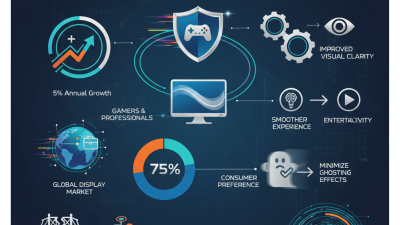
The landscape of display technology is shifting with advancements in high-speed response LCDs. These screens promise to enhance user experience. According to a report by MarketsandMarkets, the global LCD market will reach $130 billion by 2026. High-speed response rates are pivotal in this growth. Traditional LCDs have struggled with motion blur, particularly in fast-paced visuals.
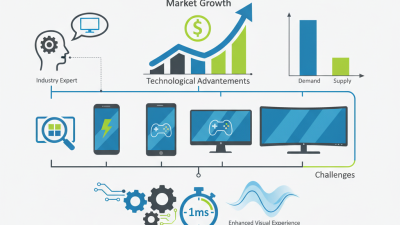
Recent innovations have led to response times of one millisecond or less. This allows for clearer images during rapid movements. A study from DisplaySearch highlights that reducing response time significantly minimizes ghosting effects. However, challenges remain. Manufacturers face issues with production costs and material limitations. Some high-speed models may sacrifice color accuracy for speed, leading to debates on ideal performance balance.
Industry experts emphasize the importance of achieving both speed and quality. According to the International Display Consortium, consumer demand for immersive experiences is rising. High-speed response LCDs must evolve continuously to meet these expectations. The question is whether the current technology can satisfy this growing market. Addressing these concerns will be essential as we look to the future of display technology.
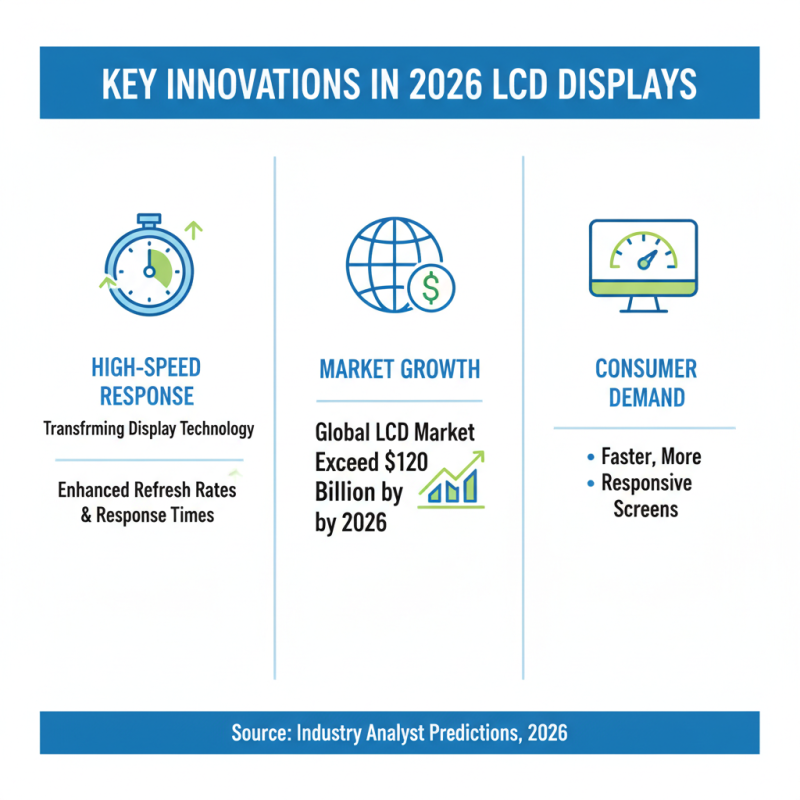
Key Innovations in 2026 LCD Displays
In 2026, high-speed response LCDs are set to transform display technology. These innovations focus on enhancing refresh rates and response times. Industry analysts predict that the global LCD market will exceed $120 billion by 2026, driven by demand for faster, more responsive screens.
One key advancement is the implementation of advanced liquid crystal materials. These materials can change alignment quickly, reducing motion blur significantly. Reports suggest that new LCDs will achieve refresh rates of up to 240Hz. This rapid performance is crucial for gaming and professional applications.
Moreover, manufacturers are exploring new backlighting techniques. Mini-LED and Micro-LED technologies are gaining traction, promising improved brightness and color accuracy. However, some challenges remain. These technologies are costly and may not yet be widely accessible. The shift to high-speed response LCDs will require a balance between performance and affordability. As the market evolves, consumer preferences will shape these innovations.
Impact of High-Speed LCDs on Consumer Electronics
High-speed response LCDs are transforming the consumer electronics landscape. These innovative displays offer faster refresh rates and improved color accuracy. This results in a more dynamic viewing experience. Gamers and video enthusiasts benefit significantly from these advancements. Fluid motion and vibrant visuals are quickly becoming the norm, rather than the exception.
However, there are challenges associated with these high-speed LCDs. Not all devices can support such rapid performance. Additionally, the cost of production may rise as engineers strive for breakthroughs. Manufacturers must balance speed with affordability. As technology improves, we may not see universal adoption immediately, leaving gaps in the market.
Quality should never be overlooked. While the visual performance impresses, the longevity of these displays remains a concern. Consumers expect durability alongside innovation. In this fast-paced tech world, manufacturers face pressure. They must innovate while ensuring reliability. This creates a fascinating tension in the evolution of display technology.
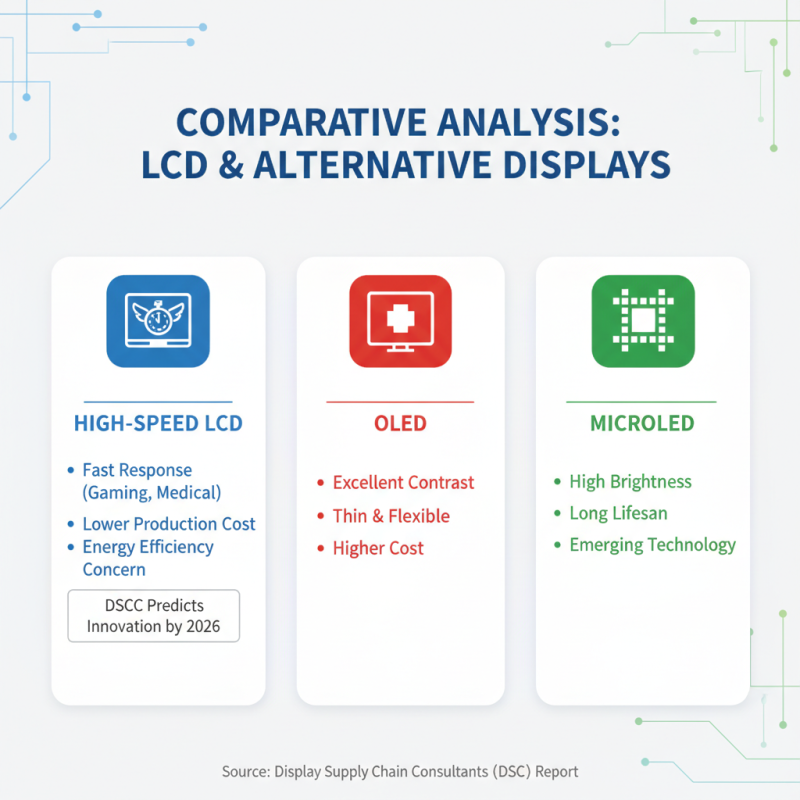
Comparative Analysis of LCD and Alternative Display Technologies
The display technology landscape is evolving rapidly. A recent report from Display Supply Chain Consultants (DSCC) predicts that high-speed response LCDs will drive major innovations by 2026. These LCDs are designed for faster response times, enhancing user experiences in gaming, medical imaging, and more. Compared to OLED and MicroLED, their advantages may include lower production costs. Yet, energy efficiency remains a significant concern.
Alternative display technologies like OLED provide improved contrast and wider viewing angles. However, they often face challenges such as burn-in effects and higher manufacturing costs. MicroLED panels offer incredible brightness and durability, but they are still in the nascent stages of commercial adoption. The growing demand for high-quality displays leads to a competitive environment, prompting ongoing research and development across the board.
Tip: When choosing between LCD and alternative technologies, consider the specific application. For gaming, a high-speed LCD may provide the edge needed. For cinematic experiences, OLED might be preferable due to superior color accuracy. Keep an eye on price trends too; they can shift rapidly as new technologies emerge. Balancing these factors can help inform the best decision for both consumers and businesses.
Future Trends and Market Predictions for LCD Displays
The future of LCD displays is set to be transformed. As we move toward 2026, high-speed response LCD technology promises to reshape our viewing experiences. This trend won’t just enhance image quality; it will also redefine how we interact with devices. Faster refresh rates will mean smoother visuals, minimizing motion blur in fast-moving scenes.
Market predictions point to increased demand for these displays in various sectors. Gaming and virtual reality are likely to drive innovations in this area. With more immersive experiences, manufacturers must prioritize speed and responsiveness. Yet, this rapid evolution raises questions about sustainability. Can the industry keep pace with growing consumer expectations while maintaining eco-friendly practices? As companies innovate, they must reflect on their environmental impact and address potential challenges. The balance between technology advancement and responsibility is crucial.

 +86-13662287276