Best Wide Viewing Angle Displays for Optimal Experience?
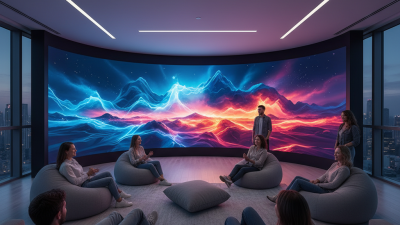
The importance of Wide Viewing Angle Displays has surged in recent years as technology evolves. According to a report by DisplayMate, displays with wide viewing angles enhance user experience significantly. They allow consistent image quality from various perspectives, making them ideal for group viewing.
Industry expert Dr. Emily Chen states, "Wide Viewing Angle Displays are essential for immersive experiences, especially in collaborative settings." With the growing trend of remote work and online collaboration, this statement holds more weight today. A wider angle can improve teamwork and communication, fostering innovation.
However, not all displays deliver on these promises. Some models fall short, leading to color distortion and decreased contrast off-axis. Consumers must be diligent in their research to find truly effective options. The market remains competitive, with varying quality levels. Balancing cost and performance can be a challenge, leading to purchasing regret.
Key Features of Wide Viewing Angle Displays
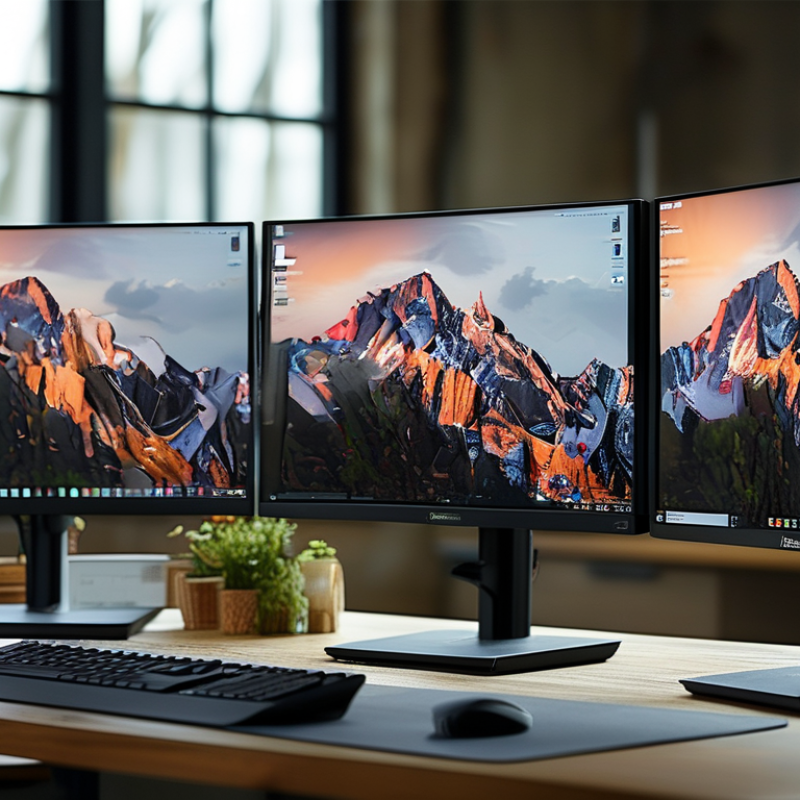
Wide viewing angle displays are becoming essential for various applications, from gaming to professional environments. These displays often utilize advanced panel technologies, enabling a broader field of vision. According to industry reports, displays with a 178-degree viewing angle maintain color accuracy and picture clarity. This means users can enjoy consistent visuals from different angles.
Key features include IPS (In-Plane Switching) technology, which is favored for its color reproduction and stability. Studies show that IPS displays can reduce color shifts to as little as 5%. However, they may struggle with deeper blacks compared to other technologies. Users seeking an immersive experience should note potential trade-offs, such as refresh rates and response times.
Another aspect to consider is the effective anti-glare coating. A good coating can minimize reflections while maintaining brightness. For users in bright settings, this is crucial. Nonetheless, some coatings might impact clarity or saturation at specific angles. Recognizing these nuances can enhance the overall viewing experience, leading to better-informed decisions when choosing the right display.
Types of Technologies Used in Wide Viewing Angle Displays
Wide viewing angle displays enhance the visual experience significantly. They are essential for activities such as gaming, professional editing, and collaborative work. Various technologies contribute to achieving wide viewing angles, each with unique characteristics.
One prevalent technology is In-Plane Switching (IPS). According to industry reports, IPS panels can offer viewing angles of up to 178 degrees. This technology maintains consistent color reproduction when viewed from different angles. However, IPS displays can suffer from slower response times compared to their counterparts, which may impact fast-paced gaming scenarios.
Another technology is Vertical Alignment (VA), known for its high contrast ratios. VA panels usually provide good color depth, but they may also exhibit color shift when viewed off-axis. The viewing angle can drop significantly to about 160 degrees. This trade-off underscores the importance of understanding specific needs before making a choice.
When selecting a display, consider your usage. Gaming requires swift response times; professional tasks demand accurate color representation. Take time to compare specifications and read reviews. Test the displays in person if possible. Finding the right wide viewing angle display can elevate your overall experience.
Comparison of Different Brands for Viewing Angle Performance
When selecting a display with an optimal viewing angle, various factors come into play. Different brands utilize distinct technologies, impacting the experience. For instance, some panels excel in color accuracy while others may lack consistency from side angles. This inconsistency can lead to dissatisfaction during use.
In a recent comparison, several models showcased varied performance. Certain screens maintain color integrity at wide angles, offering a richer visual experience. Meanwhile, others might wash out colors significantly when viewed from the side. Such variations remind users to assess their specific needs. Those who often share screens should prioritize models with superior viewing angles.
A noticeable trend among budget displays is their limited performance in wider viewing situations. Users often report challenges in seeing the true color and contrast when viewing from an angle. This aspect highlights the importance of familiarity with different technologies. Investing time in research could lead to a satisfying purchase, avoiding common pitfalls.
Best Wide Viewing Angle Displays for Optimal Experience
Ideal Use Cases for Wide Viewing Angle Displays
Wide viewing angle displays have become essential in various settings. They offer consistent color accuracy and brightness, making them ideal for collaborative environments. According to a recent industry report, about 70% of users prefer displays that maintain color fidelity from off-angles. This is particularly crucial in design studios, where multiple team members review materials simultaneously.
In entertainment, wide viewing angles enhance the cinematic experience. Studies show that viewers engaging with 4K content on such displays report a 35% increase in immersion compared to standard displays. Users can enjoy vivid visuals without the color distortion typical of narrow-angle screens. However, some users may notice that the price for these advanced technologies often exceeds traditional options.
In education, these displays facilitate better learning environments. Research indicates classrooms with wide angle displays see a 25% boost in student engagement. This can be tied to improved visibility during group discussions. Contrast this with traditional screens, where only frontal views are optimal. While the benefits are clear, the implementation of wide viewing angle solutions can pose challenges, such as installation costs and the need for compatible technology.
Tips for Choosing the Right Wide Viewing Angle Display for You
When selecting a wide viewing angle display, consider your needs. Different types of displays offer unique advantages. IPS panels, known for their vibrant colors and wide angles, are often favored for artwork and design work. However, they can be prone to glare in bright settings. TN panels might offer faster response times, but their viewing angles often fall short. Reflect on what matters most to you.
Another critical aspect is color accuracy. Displays with wide viewing angles can sometimes compromise color fidelity. Make sure to check reviews or specifications. Understand that what looks good in the store may differ in your home or office. Calibration can also make a difference, enhancing your experience.
Additionally, reflect on your typical usage. If you share the screen with others frequently, a wide viewing angle is essential. If you watch movies or play games, consider how these angles impact your experience. Think about your environment, as lighting plays a significant role. Do you often work in bright spaces? Testing displays under similar conditions can help.

 +86-13662287276