What Are Grade Rugged Screens Used For?
In demanding environments, ordinary displays can fail under vibration, dust, moisture, heat, or sudden impact. Grade Rugged Screens are designed to keep information visible when office equipment becomes unreliable. Their reinforced housings, sealed connectors, and high-brightness panels support clearer operation in harsh conditions. Some models also resist wide temperature changes, repeated cleaning, and accidental contact with tools.
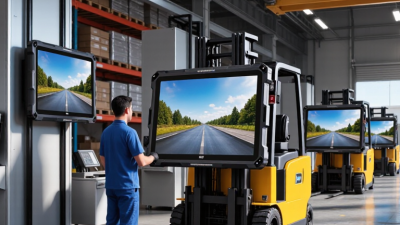
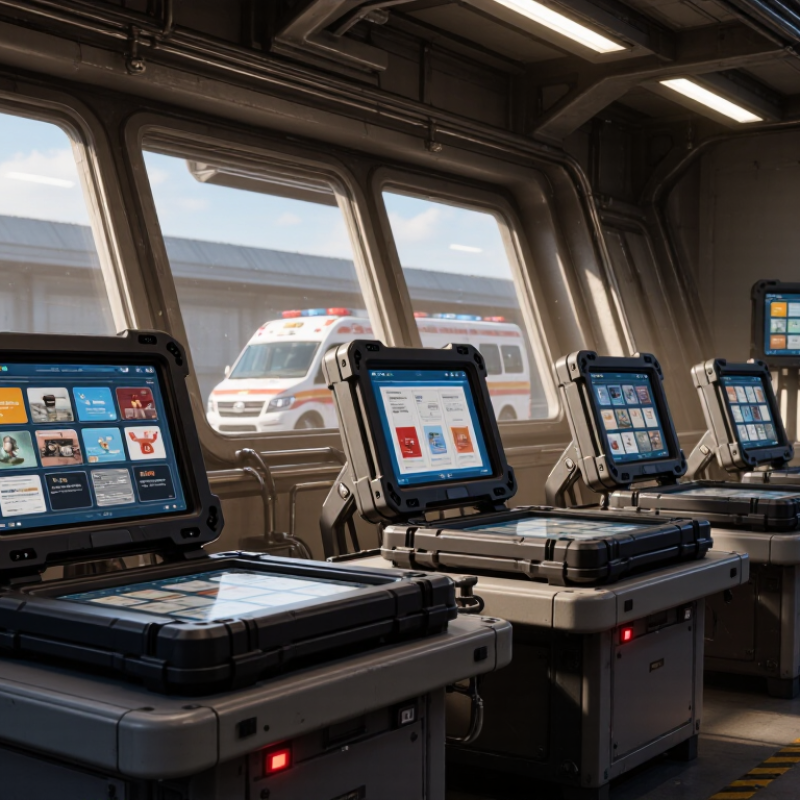
These screens are used in industrial control rooms, transportation systems, outdoor kiosks, emergency vehicles, warehouses, and field service equipment. A factory operator may monitor production data beside vibrating machinery. A technician may read wiring diagrams under direct sunlight. In a vehicle cabin, a rugged display can show maps, diagnostics, or camera feeds while the platform is moving. Marine and energy applications may require corrosion-resistant materials and dependable touch controls.
The exact design matters more than the name. A screen suitable for a warehouse may not survive constant outdoor exposure. Buyers should examine ingress protection, shock and vibration ratings, brightness, viewing angles, connector placement, and service support. Certifications and test reports provide stronger evidence than marketing language. The label “rugged” is not magic. A screen can be durable yet poorly matched to its installation.
Real-world performance also depends on mounting, ventilation, power quality, and regular maintenance. Even the strongest panel may fail when heat builds behind a sealed cabinet. Careful evaluation helps organizations choose a dependable display instead of an expensive one that merely looks tough.
What Defines a Grade-Rugged Screen?
What Are Grade Rugged Screens Used For?
What Defines a Grade-Rugged Screen?
A grade-rugged screen is not simply a display with a thick frame. It is engineered for repeated shock, vibration, dust, moisture, temperature changes, and bright outdoor light. The term “grade-rugged” has no single universal certification. Buyers should examine test methods, not marketing labels.
Many qualified screens reference MIL-STD-810H procedures for shock, vibration, humidity, and thermal exposure. Their enclosures may also carry an IP rating under IEC 60529. For example, IP65 indicates dust protection and resistance to water jets. Sunlight readability, glove operation, sealed connectors, and long product lifecycles also matter. A screen can survive one drop yet fail after months of vehicle vibration. That distinction is often missed. MarketsandMarkets’ 2024 rugged electronics analysis projects roughly 7% annual market growth through 2028, reflecting demand from transport, utilities, manufacturing, and field service. Fortune Business Insights also identifies industrial durability and outdoor visibility as key market drivers. These reports show demand, but they do not replace test evidence.
Tips: Ask for the exact test method, temperature range, impact procedure, and IP conditions. Check whether the screen was tested while operating. A perfect specification sheet may still hide weak mounting hardware. Even experts can over-specify. Match protection to the real environment, then validate it through pilot testing.
How Rugged Screens Are Built for Harsh Conditions
Rugged screens are used in mining vehicles, factory controls, emergency equipment, marine systems, and outdoor kiosks. Their value appears where ordinary displays fail quickly. Dust enters seams. Rain reaches connectors. Operators wear gloves.
How Rugged Screens Are Built for Harsh Conditions
The enclosure usually combines sealed gaskets, reinforced metal or engineered polymers, and protected cable ports. An IP65 rating under IEC 60529 indicates dust-tight protection and resistance to water jets. IP67 adds temporary immersion protection, typically up to one meter for 30 minutes. These ratings matter, but they do not prove total durability.
Temperature control is equally important. Rugged screens may use heaters, thermal spreaders, optical bonding, and high-brightness panels. Optical bonding reduces internal condensation and improves sunlight readability. In field testing, this can prevent a cold morning from producing a fogged display. It is a small detail.
MIL-STD-810H identifies environmental test methods for vibration, shock, humidity, altitude, and temperature changes. It does not mean every screen passes every method. Buyers should check the exact procedures and test conditions. A 2024 MarketsandMarkets analysis projects continued growth in rugged display demand through 2028, driven by defense, transportation, industrial automation, and field operations. The figure suggests stronger adoption, not guaranteed product quality. No screen is truly indestructible. Seals age, connectors loosen, and poorly mounted equipment can still fail. Practical installation remains part of rugged design.
What Are Grade Rugged Screens Used For?
Rugged screens are designed for transportation, industrial automation, outdoor kiosks, marine equipment, field service, and other applications exposed to dust, splashing water, powerful water jets, vibration, and changing weather conditions.
The chart shows representative water-ingress test durations associated with IEC 60529 IPX protection levels. IPX5 and IPX6 tests require at least 3 minutes, while the exact duration may increase with enclosure surface area. IPX7 specifies temporary immersion for 30 minutes at up to 1 meter.
Outdoor Equipment
Useful for kiosks, charging stations, agriculture systems, and outdoor controls exposed to rain, dust, and sunlight.
Industrial Automation
Supports factory-floor monitoring and machine control where dust, coolant spray, vibration, and frequent cleaning are present.
Transport and Field Service
Used in vehicles and mobile workstations that require readable controls and reliable operation in demanding environments.
Industries and Environments That Use Rugged Screens
What Are Grade Rugged Screens Used For?
Industries and Environments That Use Rugged Screens
Industrial-grade rugged screens support work where dust, water, vibration, and temperature changes are routine. They appear on factory control panels, warehouse vehicles, farm machinery, and outdoor inspection equipment.
The International Federation of Robotics reported 541,302 industrial robots installed worldwide in 2023.
This growth increases the need for reliable human-machine interfaces near moving equipment.
Factories use sealed displays to monitor production speed, alarms, and maintenance data. Logistics teams use them inside forklifts and loading areas, where gloves and sudden impacts are common. Transportation operators also need readable screens in bright sunlight and cramped cabins.
The World Health Organization reported about 1.19 million annual road deaths in its Global Status Report on Road Safety 2023.
That figure does not prove screen demand, but it highlights why distraction-free, quickly readable interfaces matter.
Renewable-energy technicians carry rugged tablets across solar fields and wind sites.
The International Energy Agency reported a record 510 gigawatts of renewable capacity additions in 2023.
These installations create more remote inspection work. Mining, marine operations, and emergency services face similar exposure.
IP65 or IP67 protection can help, but ratings do not guarantee long-term performance.
Rugged does not mean indestructible. A bright display may still become unreadable through glare, condensation, or poor interface design. Temperature testing, glove usability, and mounting quality deserve equal attention.
That assumption needs testing.
Common Devices and Applications for Rugged Displays
What Are Grade Rugged Screens Used For?
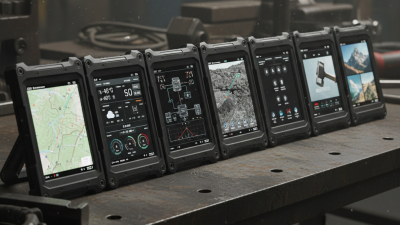
Rugged-grade screens are built for devices that work beyond comfortable office conditions. They often appear in industrial tablets, vehicle terminals, handheld scanners, and field-service computers. A warehouse worker may use one beside a loading dock, where dust, vibration, and cold air are common. A delivery driver can read route information through a bright vehicle window. These screens usually combine reinforced glass, sealed housings, and touch controls that respond to gloved hands.
Their applications extend across transportation, healthcare, utilities, and outdoor operations. In hospitals, rugged displays can support mobile medical carts and patient records during frequent movement. In factories, operators monitor production lines from panels exposed to oil mist or repeated impacts. Marine equipment may use sunlight-readable screens for navigation and engine data. Public transport systems also install them in ticket machines, inspection tools, and control cabinets. Screen brightness matters, but excessive brightness can still create reflections at certain angles.
Real-world testing shows that rugged does not mean indestructible. A poorly mounted display may fail under constant vibration, even with strong glass. Touch accuracy can decrease when users wear thick gloves. Seals also need inspection after repairs. Choosing a screen requires more than checking a protection rating; temperature range, viewing angle, mounting method, and cleaning practices all matter. Some applications need better sunlight visibility, while others prioritize low power use. The best design is often a compromise, and that compromise should be tested in the actual working environment.
How to Choose the Right Rugged Screen Grade
What Are Grade Rugged Screens Used For?
Choosing the right rugged screen grade starts with the working environment, not the product label. A warehouse display may need dust protection, glove operation, and resistance to forklift vibration. An outdoor control panel needs sunlight readability, wide temperature tolerance, and water protection. According to IEC 60529, an IP67 screen withstands dust ingress and temporary immersion in one meter of water for up to 30 minutes. However, IP67 does not measure impact strength, visibility, or chemical resistance.
For physical protection, check the IK rating under IEC 62262. IK10 represents impact resistance of 20 joules, which suits exposed equipment and public-facing terminals. A 2024 MarketsandMarkets industry report identifies transportation, industrial automation, and defense applications as major rugged display demand areas. These sectors often require more than one grade. A high IP rating cannot replace vibration testing or thermal validation. That is an easy mistake. A screen may survive rain but fail after repeated drops.
Tips: List dust, water, impact, temperature, sunlight, and glove needs before comparing specifications. Choose IP65 for directed water exposure, or IP67 when temporary immersion is possible. Request test evidence, not only marketing claims. IEC and MIL-STD results should show test conditions, duration, and sample configuration. Also check connector sealing and mounting design. The screen is only as rugged as its weakest installation point.

 +86-13662287276