China Top Wide Viewing Angle Displays Suppliers?
Choosing the right China Top Wide Viewing Angle Displays Suppliers requires more than comparing prices. Wide Viewing Angle Displays should deliver stable colors, readable images, and consistent brightness from different positions. These qualities matter in control rooms, medical equipment, vehicle screens, retail kiosks, and professional monitors.
Real procurement experience shows that specifications alone can mislead. A supplier may advertise a 178-degree viewing angle, yet side-by-side testing can reveal color shifts or reduced contrast. Buyers should examine panel technology, brightness, response time, operating temperature, and expected service life. Factory samples, inspection records, and clear technical datasheets provide stronger evidence than promotional statements. Small details matter.
This guide explores leading Chinese suppliers through product capability, manufacturing experience, customization support, quality management, and communication reliability. It also considers whether suppliers can support sample approval, stable batch production, packaging protection, and after-sales service. Certifications should be checked against the target market and application requirements. Compliance is not optional.
No shortlist is perfect. Supplier rankings can change as technologies, capacities, and customer feedback develop. Some manufacturers excel at standard panels but struggle with custom sizes or harsh environments. Others offer impressive engineering support but require higher minimum orders. A careful buyer should verify current information directly, request testing data, and confirm production terms before making a decision. This balanced approach can reduce costly surprises and identify partners suited to real operating conditions.
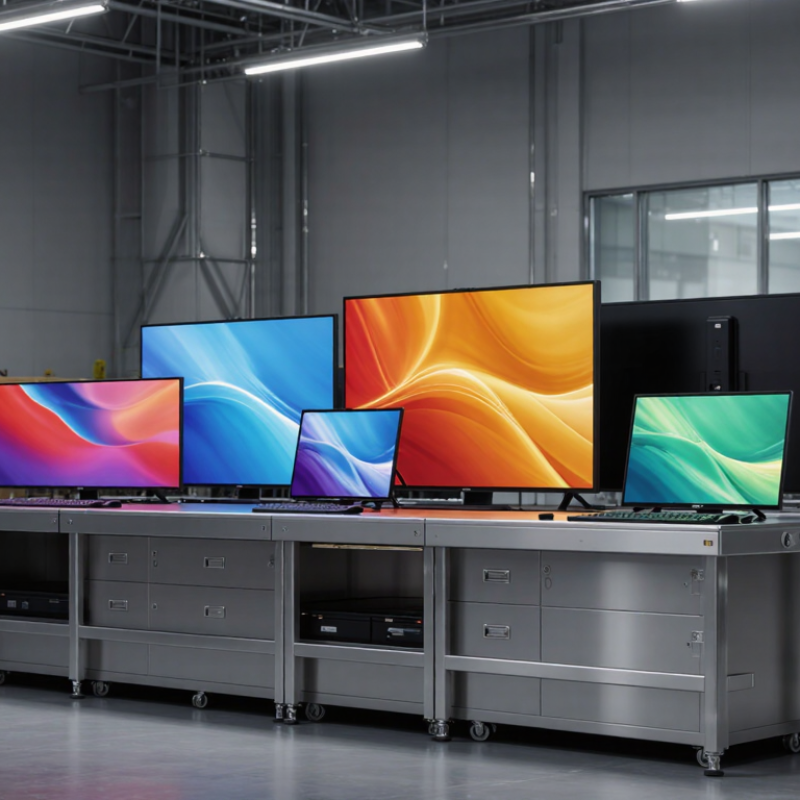
Wide Viewing Angle Display Technology Explained
China Top Wide Viewing Angle Displays Suppliers?
Wide Viewing Angle Display Technology Explained
Wide viewing angle technology keeps images readable when viewers move away from the screen’s center. In daily use, this matters in control rooms, vehicle dashboards, medical equipment, and public information panels. A narrow display may show gray blacks or pale colors from the side. That change is called color shift.
Manufacturers improve viewing performance through panel structure, liquid crystal alignment, polarizer design, and optical compensation films. IPS-style structures usually maintain stable colors across wider angles. VA-based panels can deliver stronger contrast, but their dark tones may change more visibly off-axis. OLED panels avoid some backlight limitations, yet surface reflections can still reduce clarity.
I have found that supplier claims need practical verification. A datasheet may list a 178-degree viewing angle, but the measurement standard can differ. Ask for samples and inspect them at several positions. Check skin tones, small text, black levels, and brightness near the edge. Test under both office lighting and direct sunlight.
Temperature testing is also important. Heat can affect response time, uniformity, and long-term stability. One overlooked detail is the cover glass. Strong reflections may make a wide-angle panel appear worse than it is. Not always. Reliable suppliers should provide test conditions, sample records, and realistic tolerances. My own evaluations are not perfect; viewing comfort can vary between users, so repeat testing remains necessary.
Key Display Types and Performance Characteristics
Wide viewing angle displays are not one technology. IPS LCD panels use liquid crystals that keep color relatively stable from side positions. They commonly specify 178° horizontal and vertical viewing angles. VA panels deliver deeper native contrast, but dark tones can shift when viewers move off-axis. OLED panels emit light from each pixel, producing strong contrast and fast response. However, heat, brightness control, and long-term image retention still require careful evaluation. DSCC’s 2024 OLED Shipment Report recorded more than one billion OLED smartphone panels shipped in 2023, showing the technology’s growing production maturity.
Performance depends on more than the viewing-angle number. VESA’s DisplayHDR 600 specification requires a peak brightness of at least 600 cd/m² under defined test conditions. It also evaluates contrast, black levels, and local dimming behavior. These measurements help separate a laboratory result from a bright showroom impression. IEC 61747-30-1 provides methods for measuring display electro-optical characteristics, including luminance and viewing-angle behavior. A 178-degree claim is not the whole truth. Color shift matters more.
For office monitors, IPS often balances text clarity, color consistency, and cost. For cinema, gaming, or control-room use, OLED may provide better shadow detail and response speed.
Wide-angle performance should be tested at 45°, 60°, and 80°, with skin tones, gray gradients, and small text on screen.
Omdia’s display demand research continues to track LCD as the dominant large-area panel technology, despite OLED expansion. That reality matters for supplier evaluation.
A specification sheet can still hide uneven uniformity, aggressive dimming, or poor calibration. Hands-on sampling remains necessary.
Leading Supplier Categories in China
China Top Wide Viewing Angle Displays Suppliers?
Leading supplier categories in China are divided by technology, integration depth, and application experience. Panel manufacturers focus on IPS, ADS, OLED, and advanced LCD structures. Their products support stable color from side positions, often reaching 178-degree horizontal and vertical viewing angles. According to Omdia’s 2024 Display Long-term Demand Forecast, LCD still represents more than 80% of global display area demand. That scale keeps Chinese panel capacity commercially important.
Module integrators form another strong category. They combine panels, driver boards, touch layers, optical films, and metal housings. This matters for medical monitors, control rooms, retail screens, and vehicle displays. The China Commercial Display Market Quarterly Tracker from IDC reported continued demand for large professional screens in 2024, driven by education, offices, and public services. Integrators can also adjust brightness, connectors, and mounting details for smaller production runs.
Industrial display specialists serve harsher environments. They add anti-glare glass, wide-temperature components, sealed front panels, and sunlight-readable backlights. OEM and ODM suppliers offer a different advantage: faster customization and lower engineering barriers. Their weaknesses deserve attention. Some suppliers provide impressive viewing-angle figures but limited color consistency at the edges. Buyers should request measured samples, temperature tests, and lifetime data. A polished specification sheet is not enough.
China Top Wide Viewing Angle Displays Suppliers: Leading Supplier Categories
Typical horizontal viewing-angle specifications by display technology category
IPS LCD, OLED, and VA LCD panels commonly support viewing angles up to 178° under standard contrast-ratio testing. TN LCD technology generally offers a narrower viewing angle, although actual performance varies by panel design, optical film, and supplier specifications.
How to Evaluate Chinese Display Suppliers
China Top Wide Viewing Angle Displays Suppliers?
How to Evaluate Chinese Display Suppliers
Finding a reliable Chinese display supplier requires more than comparing quotations. Ask for the panel model, viewing-angle data, brightness range, contrast ratio, and operating temperature. A supplier should explain how these figures were measured. “Wide angle” needs evidence.
Request production samples from the same line used for mass orders. Test them at 45, 60, and 80 degrees, under both bright and dim lighting. Check color shift, image clarity, dead pixels, touch accuracy, and surface reflections. A phone camera can record differences, but calibrated instruments provide stronger evidence. Ask for sample aging results, not only laboratory claims. Small details matter.
During a factory review, inspect incoming-material records, assembly areas, and final inspection stations. Confirm whether serial numbers connect each unit to inspection data. Review quality certificates and verify their scope and validity. Also examine packaging, moisture protection, spare-parts planning, and response procedures for defects. Clear technical communication is important, especially when specifications change. I once focused too heavily on price and overlooked coating consistency. That mistake increased rework later. A supplier may appear professional, yet still lack stable process control. Keep written records, repeat key tests, and avoid approving production from one attractive sample alone.
Applications and Procurement Considerations
Wide viewing angle displays are useful when several people must read one screen from different positions. In control rooms, factory dashboards, retail kiosks, and transport terminals, image consistency matters more than a headline specification. A panel may show sharp colors at the center but lose contrast near the edge. That weakness becomes obvious under bright ceiling lights. The application should guide the panel choice.
When comparing suppliers in China, procurement teams should request measured viewing-angle data, not only “178 degrees.” Ask how contrast, color shift, and brightness were tested. Confirm whether the figures apply to the bare panel or finished display. Check luminance, touch performance, operating temperature, and expected service life. For outdoor use, review sunlight readability, sealing, and thermal control. Industrial projects also require vibration resistance and durable connectors. Small details matter.
Before approving volume production, test samples in the real installation position. View them from above, below, and both sides. Use the intended content, lighting, gloves, and touch gestures. Audit quality records, calibration methods, traceability, relevant safety documents, warranty terms, and replacement plans. A supplier should explain panel variation between batches. That conversation may feel slow, but it exposes hidden risk. No supplier is perfect; even a strong sample can hide assembly inconsistencies. Written acceptance criteria help, although buyers often make them too vague. Leave room for review after field testing.

 +86-13662287276