Top 10 Benefits of Low Power Consumption LEDs for Eco Friendly Lighting Solutions?
In recent years, there has been a significant shift towards sustainable lighting solutions. The growing demand for eco-friendly options is driven by both environmental concerns and economic benefits. Low-power consumption LEDs play a crucial role in this transformation. According to the U.S. Department of Energy, LED lighting consumes up to 75% less energy than traditional incandescent bulbs. This extraordinary efficiency translates into reduced energy costs and lower carbon footprints.
Low-power consumption LEDs not only save energy but also last significantly longer. This longevity reduces the need for frequent replacements, which leads to decreased waste and resource consumption. A report by the Lighting Research Center states that LED fixtures can last up to 25,000 hours or more. However, switching to LED isn't without challenges. Some consumers still struggle with initial costs and compatibility with existing systems.
Despite these hurdles, the benefits of low-power consumption LEDs are undeniable. They offer a pathway to more sustainable living while promoting energy savings. As we navigate these complexities, it's vital to evaluate and embrace eco-friendly lighting solutions that can genuinely make a difference.
Advantages of Low Power Consumption LEDs in Eco-Friendly Lighting
Low power consumption LEDs have transformed eco-friendly lighting solutions. These lights use significantly less energy than traditional bulbs. This results in lower electricity bills. Additionally, reduced energy consumption translates to fewer carbon emissions, which is crucial in combating climate change. Many homes and businesses are now adopting these efficient technologies for a sustainable future.
The lifespan of low power LEDs is another notable advantage. They can last up to 25,000 hours or more. This longevity means fewer replacements, reducing waste. However, it is essential to consider proper disposal methods as even LEDs can impact the environment when not disposed of responsibly. Overall, while they offer numerous benefits, it’s vital to acknowledge the potential challenges and continue improving our approach.
Moreover, the versatility of low power LEDs enhances their appeal. They come in various shapes, colors, and brightness levels. This allows for creative lighting solutions in homes and public spaces. Although some people may find the upfront cost higher, the long-term savings and ecological advantages outweigh the initial investment. Engaging in thoughtful discussions about these trade-offs is important for future advancements.
Top 10 Benefits of Low Power Consumption LEDs for Eco-Friendly Lighting Solutions
The chart above showcases the top 10 benefits of using low power consumption LEDs for eco-friendly lighting solutions. Each benefit is rated on a scale from 1 to 10, emphasizing their importance in energy efficiency and sustainability.
Energy Efficiency: How LEDs Save Electricity Compared to Traditional Lighting
LEDs have revolutionized the way we think about lighting. They consume significantly less electricity than traditional incandescent bulbs. For example, an LED can produce the same light output as a 60-watt bulb while using only 10 watts. This drastic reduction in energy usage translates to lower electricity bills. Every household can benefit from making this switch.
Energy efficiency is critical in today’s world. Using LEDs not only saves money but also reduces carbon footprints. When fewer watts are used, less energy must be generated. This means fewer power plants need to be built, leading to less environmental strain. The life expectancy of LEDs is also impressive, lasting up to 25,000 hours. It’s worth noting, though, that the initial cost can be higher than traditional bulbs.
Some people worry about the quality of light. Does an LED provide the same warmth and vibrancy as a classic bulb? Many manufacturers have improved this aspect, but opinions differ. Shifts in perception can take time. Transitioning to LEDs is a beneficial choice, both financially and environmentally. However, it requires careful consideration and adjustment to fully embrace this efficient lighting solution.
Environmental Impact: Reducing Carbon Footprint with LED Technology
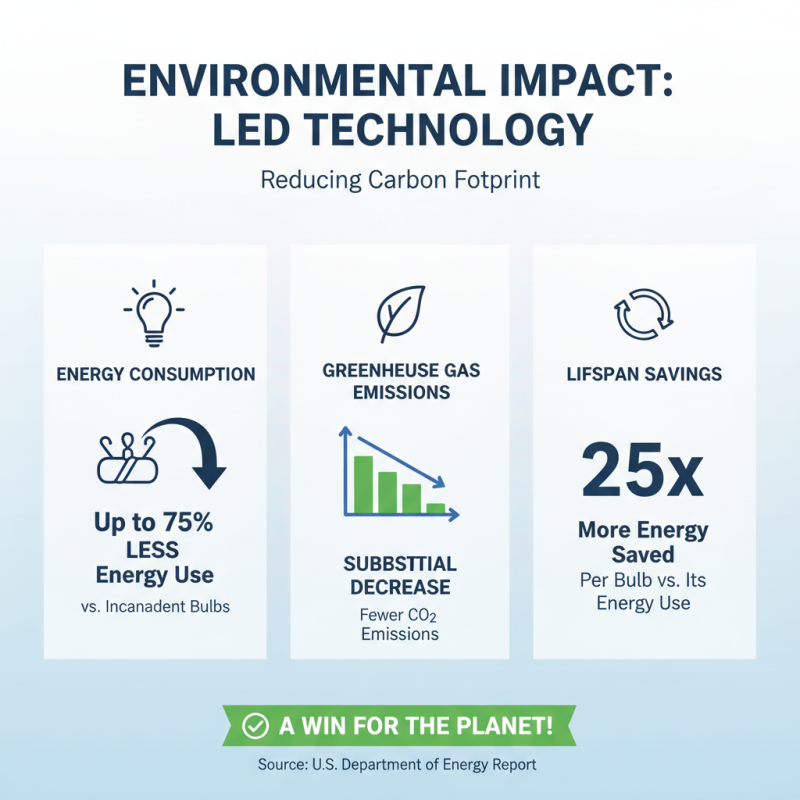
LED technology has made significant strides in reducing environmental impact. According to a report from the Department of Energy, replacing traditional incandescent bulbs with LEDs can cut energy consumption by up to 75%. This drastic reduction leads to a substantial decrease in greenhouse gas emissions. For example, a single LED bulb can save approximately 25 times its energy use over its lifespan. This is a win for the planet.
One challenge remains: not all consumers are aware of these benefits. While the facts are compelling, the transition to LED lighting often slows down due to misconceptions. Education is vital. Understanding that LEDs not only save energy but also last longer—up to 25,000 hours compared to 1,000 hours for incandescent bulbs—can encourage more people to switch. It's crucial to bridge this knowledge gap.
Moreover, even as the technology evolves, some issues persist. The production of LEDs requires rare materials, which can have negative mining impacts. Ensuring responsible sourcing of these materials is essential for a truly eco-friendly solution. The journey doesn’t end with choosing LEDs; it extends to how they are produced and reused. Embracing sustainability means constantly reassessing our practices and looking for improvements.
Cost Savings: Long-Term Economic Benefits of Using Low Power LEDs
Low power consumption LEDs bring significant economic advantages, particularly in long-term savings. This technology uses less electricity. Therefore, energy costs decrease substantially. For example, an LED may consume 80% less power than conventional bulbs. Imagine cutting your lighting bill in half. It’s an attractive prospect for both homes and businesses.
Maintenance costs also reduce due to the longer lifespan of LEDs. Some last up to 25,000 hours. When you don’t have to replace bulbs frequently, savings accumulate. That’s more time and money for other needs. But there’s a catch; initial investment can be higher. Consumers might hesitate because of this upfront cost. Over time, though, the savings become clear.
Lighting quality can improve too. LEDs offer a range of color temperatures. You can choose warm light for cozy spaces or bright daylight for work areas. However, some might struggle to adapt to different light qualities. This change can feel disruptive at first. Even so, the transition leads to better ambiance and productivity in the long run.
Durability and Longevity: The Lifespan of LEDs vs. Conventional Bulbs
The durability and longevity of LEDs stand out when compared to conventional bulbs. Research from the U.S. Department of Energy shows that LEDs can last up to 25,000 hours or more. In contrast, traditional incandescent bulbs typically last only about 1,000 hours. This disparity in lifespan means fewer replacements and less waste, which is a significant advantage for both consumers and the environment.
Moreover, LED technology reduces maintenance needs. For businesses, this translates into lower operational costs. A 2019 study highlighted that switching to LED lighting can lead to maintenance savings of up to 80%. However, installing LEDs often involves higher upfront costs. This can be a barrier for some. Despite the initial investment challenge, the long-term savings are substantial.
While LEDs are generally robust, they are not without flaws. Some cheaper models may not deliver the promised lifespan. The variance in quality can lead to disappointment. Consumers play a crucial role in making informed choices. Understanding specifications and relying on credible resources is vital for selecting quality options.
Conclusion
Low-Power Consumption LEDs offer a myriad of benefits that make them an ideal choice for eco-friendly lighting solutions. These energy-efficient lights significantly reduce electricity usage compared to traditional lighting systems, leading to notable cost savings for consumers over time. By minimizing energy consumption, low-power LEDs also contribute to a reduced carbon footprint, thus playing a vital role in environmental conservation.
In addition to their economic advantages, low-power LEDs boast impressive durability and longevity, often outlasting conventional bulbs by multiple years. This longevity not only decreases the frequency of replacements but also enhances convenience for users. Furthermore, the quality of light produced by LEDs is beneficial for health and well-being, as it minimizes eye strain and can improve overall illumination quality. By choosing low-power consumption LEDs, individuals and businesses alike can make a positive impact on their environment while enjoying the accompanying economic and health benefits.

 +86-13662287276