10 Best Automotive Display Panels for Global Buyers
Choosing the right Automotive Display Panels requires more than comparing screen size and price. Global buyers must assess visibility, durability, integration, and long-term support. A bright showroom screen may perform poorly under direct sunlight. A low-cost panel may also create higher replacement costs later.
This guide examines ten leading display panels for modern vehicles and commercial fleets. The evaluation considers resolution, luminance, viewing angles, touch response, thermal stability, and power consumption. It also reviews compatibility with dashboards, rear-seat systems, navigation units, and connected vehicle platforms. Practical details matter. A panel facing a windshield needs strong anti-glare performance. A center display should remain responsive while wearing gloves. Rear-seat screens need stable brightness during nighttime travel.
Supplier experience matters.
Manufacturers should provide verified test data, installation guidance, warranty terms, and dependable regional service. Buyers should confirm operating temperatures, shock resistance, moisture protection, and software compatibility before approval. Independent testing remains valuable, because supplier specifications do not always reflect real vehicle conditions. This comparison aims to offer a professional starting point, not a universal verdict. Vehicle design, climate, production volume, and local service capabilities can change the best choice. Some rankings may also shift as display technology improves. That limitation deserves attention. Careful validation on the intended vehicle remains essential.
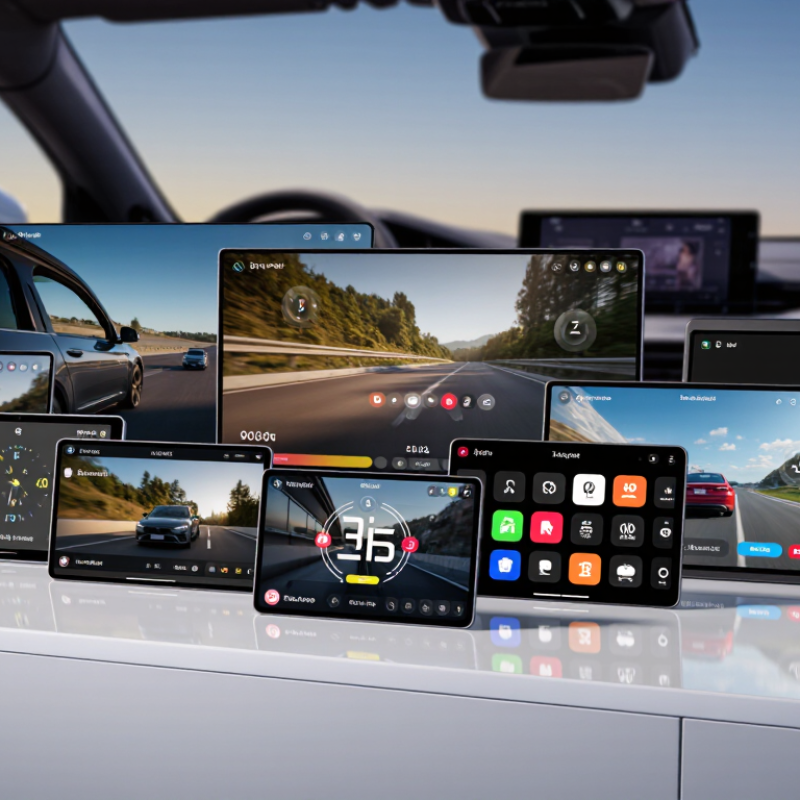
What Defines a High-Quality Automotive Display Panel
A high-quality automotive display panel must remain readable, responsive, and stable in difficult conditions.
The IEA’s Global EV Outlook 2024 recorded nearly 14 million electric-car sales in 2023. This growth increases demand for screens that manage navigation, charging data, and safety alerts without distraction.
Brightness matters. A panel should exceed roughly 800 nits for strong daylight visibility, while automatic dimming protects night-time comfort.
Wide viewing angles help passengers read information from the side. Optical bonding can reduce reflections between the cover glass and display layer.
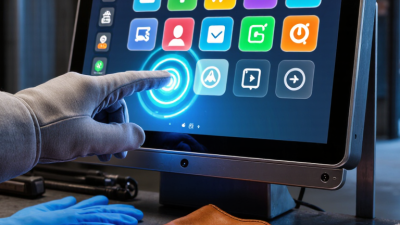
Touch response should feel immediate, even with gloves or damp fingers.
Small delays are surprisingly irritating.
Durability is less visible but more important. Buyers should examine vibration resistance, thermal cycling, electromagnetic compatibility, and long-term pixel stability.
Automotive qualification usually involves standards such as ISO 16750 and ISO 26262-related development controls. The 2024 U.S. Initial Quality Study also identified infotainment as a continuing source of vehicle problems, showing that software and hardware cannot be judged separately.
A panel may look impressive in a showroom.
It may fail under heat.
Engineers should test sunlight exposure, cold starts, dust, and repeated touch input. No specification sheet tells the whole story.
In practice, glare performance and thermal behavior can matter more than headline resolution. This is where many evaluations remain incomplete.
Key Display Technologies Used in Modern Vehicles
Modern vehicle displays rely on several technologies, each serving a different cabin need. TFT LCD panels remain practical for instrument clusters and center consoles. They offer stable brightness, wide temperature tolerance, and controlled production costs. Their image quality is reliable, though black areas can appear gray at night.
OLED panels create deeper blacks and thinner screen designs. They suit premium clusters and rear passenger displays. However, prolonged static graphics may increase image retention risk. Mini-LED backlighting improves LCD contrast through many independently controlled lighting zones. It performs well under direct sunlight, but its added components can increase power use and system complexity.
Touch performance also depends on the sensor layer, cover glass, and software response. Projected capacitive touch supports familiar gestures, while haptic feedback confirms a selection without constant visual attention. Optical bonding reduces internal reflections between the panel and glass. This detail matters when sunlight strikes the screen at a low angle.
For global buyers, automotive panels should pass vibration, humidity, thermal cycling, and glare tests. A screen that looks excellent indoors may fail beside a bright window. Curved panels can improve cockpit continuity, but they may complicate tooling and replacement. High refresh rates make maps and camera views smoother. Still, faster performance cannot fix poor interface design. Testing should include gloves, wet fingers, polarized sunglasses, and night driving conditions. Some evaluations overlook these ordinary situations. That is where costly assumptions often appear.
Ten Leading Automotive Display Panels for Global Buyers
Ten Leading Automotive Display Panels for Global Buyers should be judged by more than screen size.
Practical evaluations often examine ten panel types: instrument clusters, center infotainment screens, passenger displays, rear-seat panels, head-up displays, digital mirror panels, dashboard strips, climate screens, charging displays, and fleet information panels. Each serves a different purpose. A clear cluster needs stable viewing angles, while a rear-seat panel needs strong impact resistance. Bright sunlight exposes weak contrast quickly. Night driving exposes poor dimming control.
Tips:
Check brightness in direct sunlight and during nighttime testing. Ask for touch response data below freezing temperatures. Confirm viewing angles from both front seats. Inspect bezels, mounting points, and cable protection. Local language support also matters. A beautiful interface can still frustrate drivers when icons feel too small.
Global buyers should compare operating temperature, panel lifespan, repair access, and regional certification requirements.
Capacitive touch is smooth, but physical controls may remain safer for frequent climate adjustments. This trade-off deserves careful thought. Some panels claim excellent durability, yet long-term heat testing may be limited. Request sample units, test glare with polarized glasses, and review failure procedures before ordering. Small details, such as readable warning symbols and reliable brightness adjustment, can influence daily driving more than impressive specifications.
How to Compare Automotive Display Panels by Essential Criteria
10 Best Automotive Display Panels for Global Buyers
How to Compare Automotive Display Panels by Essential Criteria
A suitable automotive display panel needs more than a sharp picture. Start with brightness, contrast, viewing angle, and touch response. A panel should remain readable under direct sunlight and street reflections. For night driving, automatic dimming must avoid distracting glare. Optical bonding can reduce reflections and improve perceived contrast. It also strengthens the screen against vibration.
Reliability deserves equal attention. The 2024 U.S. Initial Quality Study recorded 49.1 infotainment problems per 100 vehicles, making this category a major concern. Ask suppliers for operating-temperature data, humidity testing, vibration results, and touch-cycle records. Check whether the panel supports gloves and wet fingers. Small details matter. A beautiful screen can still fail in winter.
Market demand is expanding quickly. The International Energy Agency’s Global EV Outlook 2024 reported more than 14 million electric cars sold worldwide in 2023, representing about 18% of new-car sales. Electric vehicles often use larger and more interactive displays, but size should not dominate evaluation. Compare power consumption, response latency, interface compatibility, repairability, and long-term supply stability. Request sample testing before volume orders. Datasheets can hide practical weaknesses. A better comparison includes sunlight tests, repeated touches, thermal cycling, and driver feedback. The uncomfortable question remains: are buyers measuring usable performance, or simply choosing the biggest screen?
Installation, Compatibility, and Global Purchasing Considerations
Choosing among the 10 best automotive display panels starts with the vehicle, not the screen.
Measure dashboard depth, mounting points, viewing angle, and ventilation space. A bright panel can still fail in direct sunlight. Test touch response with gloves and wet fingers. Small details matter. Confirm voltage range, connector type, vehicle data support, and audio compatibility before ordering. Some universal units fit physically but need an additional interface.
Installation quality affects safety and service life.
Use a vibration-resistant bracket, protected wiring, and a suitable fuse. Keep cables away from airbags, pedals, sharp metal, and heat sources. Test steering controls, reverse-camera switching, microphones, and standby power draw. A professional installer should document every connection and preserve the original harness when possible. I have seen clean installations develop screen flicker after weeks because grounding was ignored. A quick fit is not always reliable.
Global buyers should request exact dimensions, firmware languages, update methods, and a complete accessory list.
Check support for local radio bands, map data, wireless standards, and right- or left-hand-drive layouts. Confirm packaging, spare-part access, warranty handling, and technical support across borders. Import costs and regional certification requirements can change the final price. Samples are worth testing. Product sheets can be optimistic. A panel may pass a desk test yet struggle in cold workshops or tropical heat. Record those results before placing a larger order.

 +86-13662287276